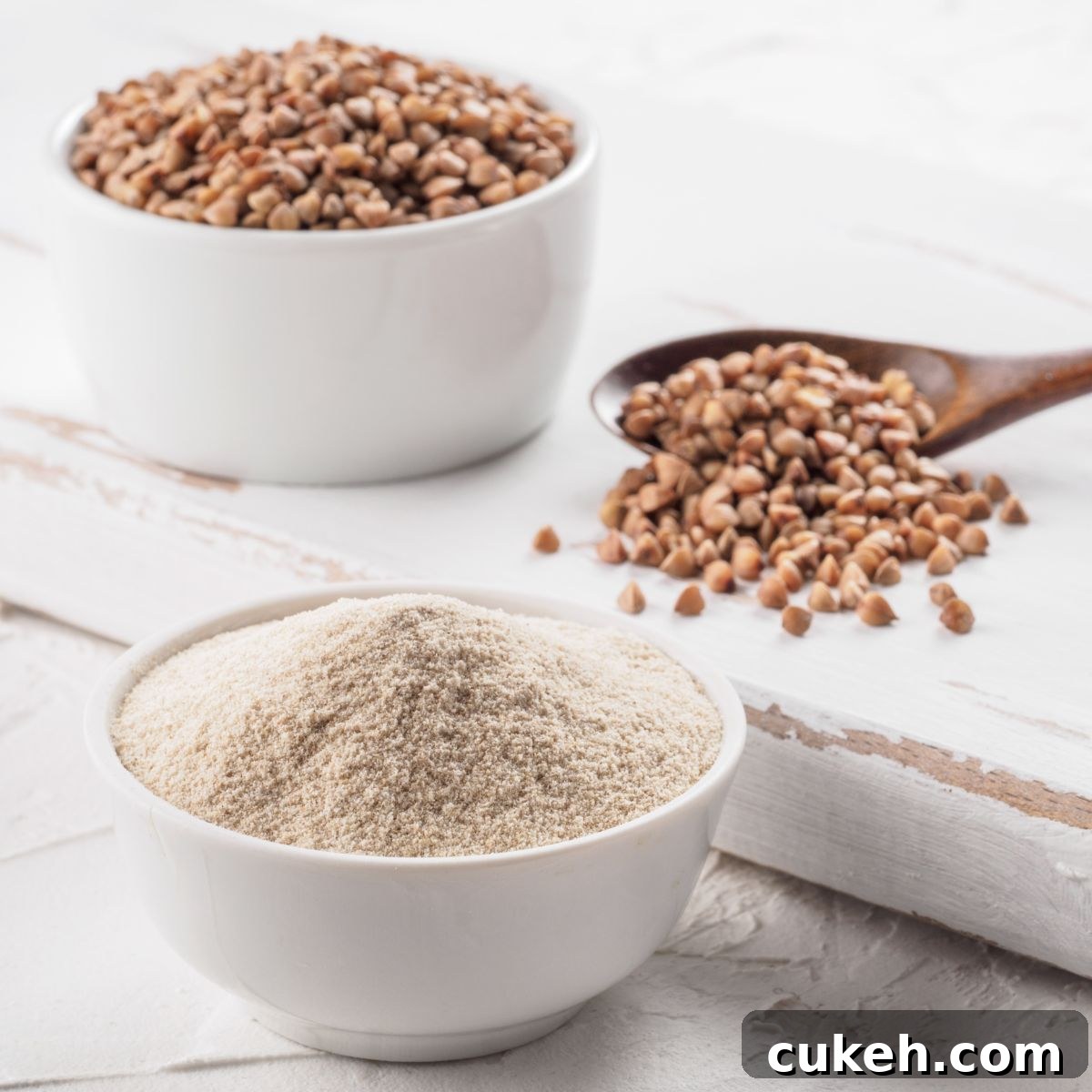
Is buckwheat gluten-free? Despite its name, buckwheat is a delicious wheat-free pseudo-grain that makes a valuable addition to a gluten-free pantry.
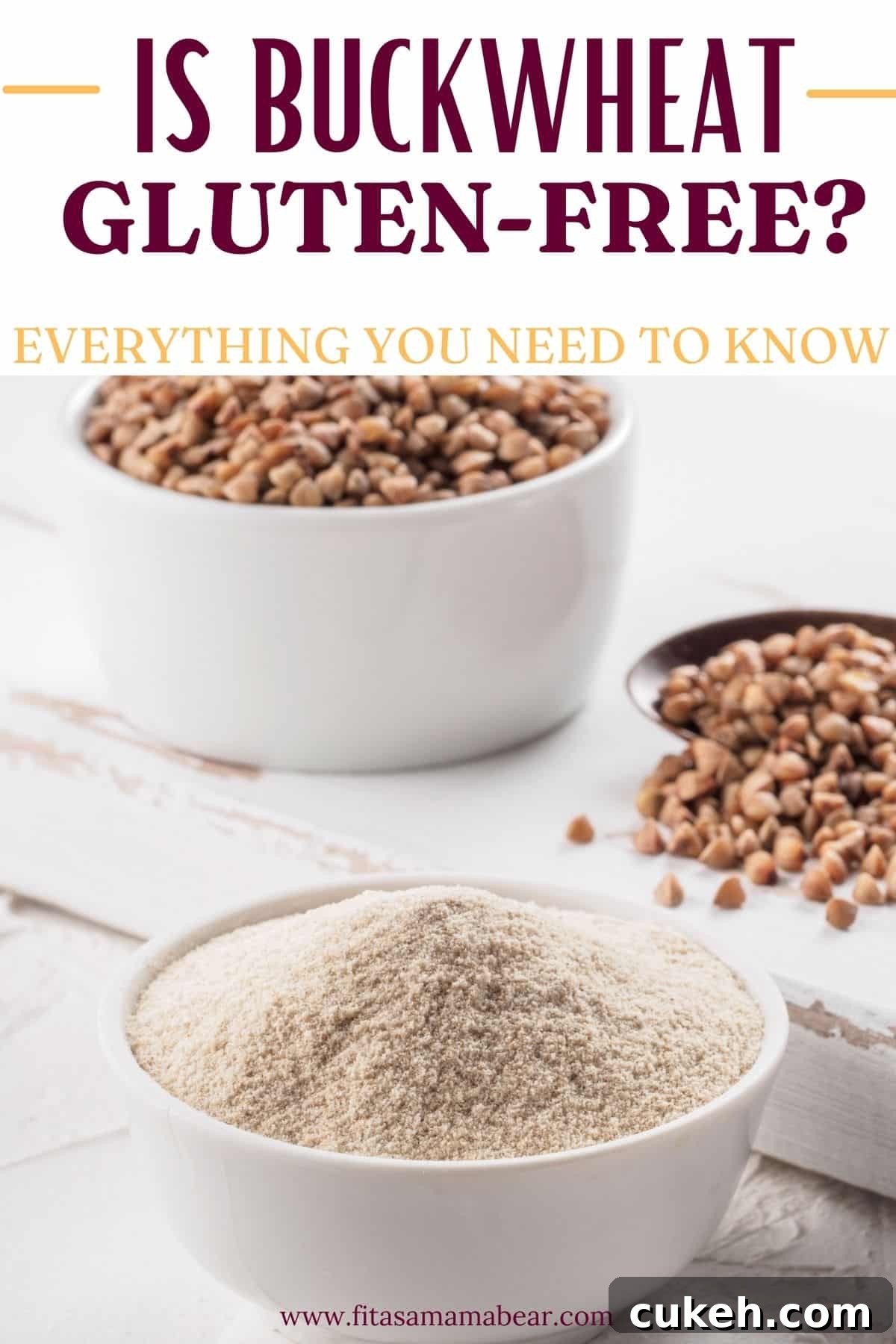
What Is Buckwheat?
Buckwheat is a flowering plant in the Polygonaceae family, related to plants like sorrel and rhubarb. Although its seeds are treated much like a cereal grain, buckwheat is a pseudo-grain because it does not belong to the grass family. Despite the confusing name, buckwheat is naturally gluten-free.
The seeds are used whole or ground into flour to make foods ranging from pancakes to noodles, making buckwheat a versatile staple for anyone avoiding gluten.
Is Buckwheat Always Gluten-Free?
Buckwheat itself contains no gluten, but cross-contamination can occur during processing if facilities also handle wheat or other gluten-containing grains. If you have celiac disease or a severe gluten allergy, choose products that are certified or clearly labeled gluten-free to avoid risk.
The Many Uses of Buckwheat
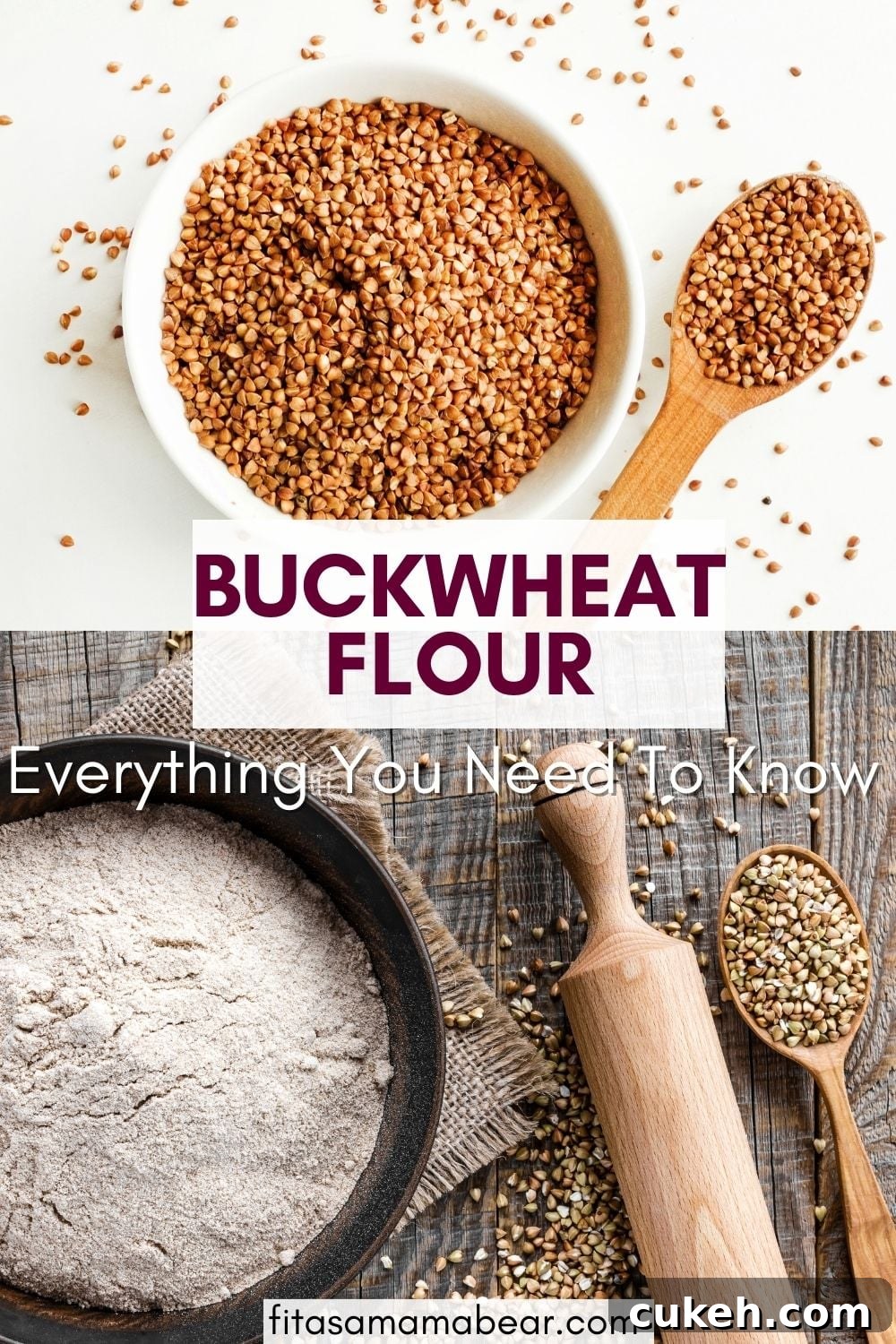
Buckwheat comes in several forms, including hulled and unhulled groats, light and dark flours, and noodles such as soba. Each form has its own culinary uses and benefits.
Below are common, naturally gluten-free ways to use buckwheat:
Buckwheat Groats
Buckwheat groats are simply the seeds of the plant. Hulled groats are more tender and easier to cook, while unhulled groats are often milled into darker, more robust flour.
Toasting groats produces a crunchy, nutty topping that works well on salads, yogurt, smoothies, or soups. Groats can also be used like other whole grains to add texture and nutrition to many dishes.
How to use buckwheat groats:
- Cook groats like quinoa: rinse, then simmer in water until tender.
- Use groats similarly to steel-cut oats for porridge, granola, or baked bars.
- Grind raw groats to make your own buckwheat flour for baking.
- Replace oats with buckwheat in morning porridge for a gluten-free alternative.
- Add groats to chili or stir-fries for extra texture and nutrients.
Buckwheat Flour
Buckwheat flour is produced by grinding groats. Light flour comes from hulled groats, while dark flour comes from unhulled groats. Buckwheat flour is prized for its nutty flavor and works well in many gluten-free baking applications.
How to use buckwheat flour:
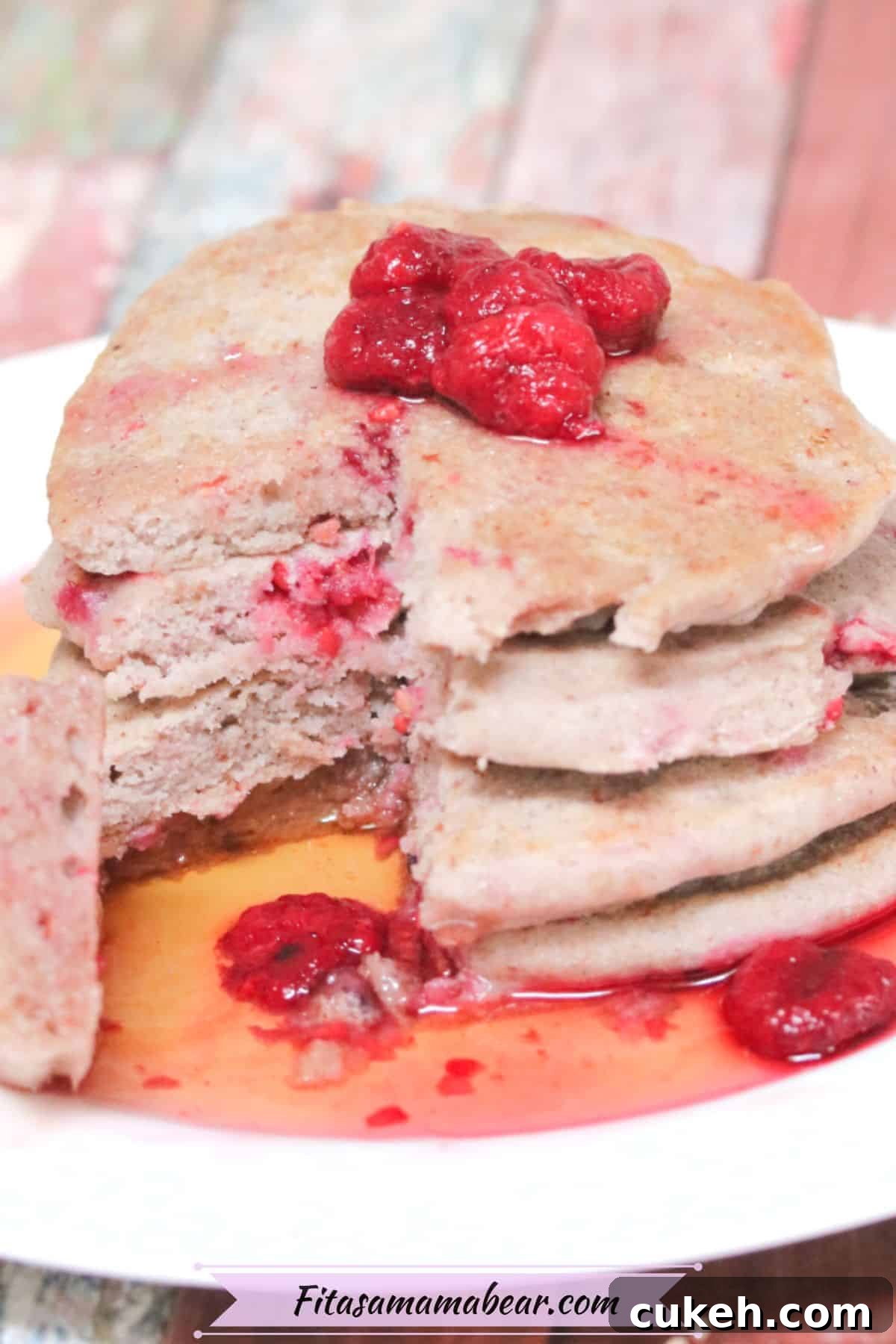
- Make breakfast favorites like buckwheat pancakes or crepes.
- Blend buckwheat flour with other gluten-free flours to balance texture and flavor in baked goods.
- Use it for savory breads, pizza crusts, or flatbreads such as naan.
- Thicken soups and gravies with buckwheat flour for a gluten-free option.
- Try making soba-style noodles or use buckwheat in cookies, cakes, and pastries for a distinct taste.
What Does Buckwheat Taste Like?
Buckwheat offers a nutty, earthy flavor. Dark flour and unhulled groats have a more pronounced, slightly bitter taste, while hulled groats and light flour are milder. Its distinctive flavor enhances both sweet and savory recipes and can act similarly to all-purpose flour in gluten-free baking blends.
A Special Tip
To deepen buckwheat’s flavor, roast raw groats in the oven: preheat to 325°F, spread groats in a single layer on a parchment-lined sheet, roast about 25 minutes stirring occasionally until golden and fragrant, then cool before storing.
Is Buckwheat Healthy?
Buckwheat is nutrient-dense, providing protein, fiber, and minerals such as copper and iron. Although carbohydrate-rich and not suitable for strict low-carb or ketogenic diets, buckwheat scores relatively low on the glycemic index and is less likely to cause rapid blood sugar spikes.
Where To Buy Buckwheat
Buckwheat is widely available at grocery stores and online retailers. You can often find organic buckwheat flour in the gluten-free or baking aisle and groats in the cereal or grain section. If gluten is a concern, look for certified gluten-free labeling to ensure safe processing.
Frequently Asked Questions About Buckwheat
Buckwheat itself is gluten-free, but people with celiac disease should choose brands that are certified gluten-free to avoid cross-contamination during processing.
Yes. Because buckwheat is not a true grain, it is a suitable substitute for those with wheat intolerance or those following a gluten-free diet.
Kasha refers to roasted buckwheat groats, which gives them a distinctive flavor; kasha is also gluten-free.
More Health And Wellness Tips
- What’s the difference between almond flour and ground almonds
- Coconut flour vs. almond flour
- What is bone broth powder
- Collagen versus protein powder
- What’s the difference between collagen and bone broth
In Conclusion
In short, buckwheat is a naturally gluten-free, versatile ingredient that can replace wheat in many recipes. It comes in multiple forms, offers a unique nutty flavor, and adds nutrition to a gluten-free diet. For those avoiding gluten, choosing certified gluten-free products will help ensure safe use of this wholesome staple.