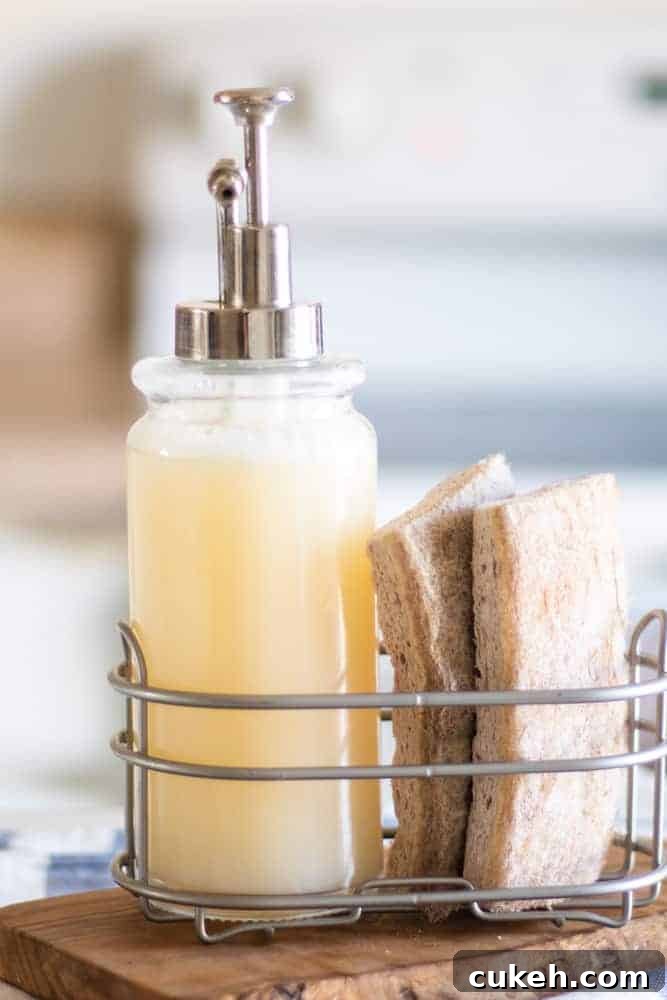
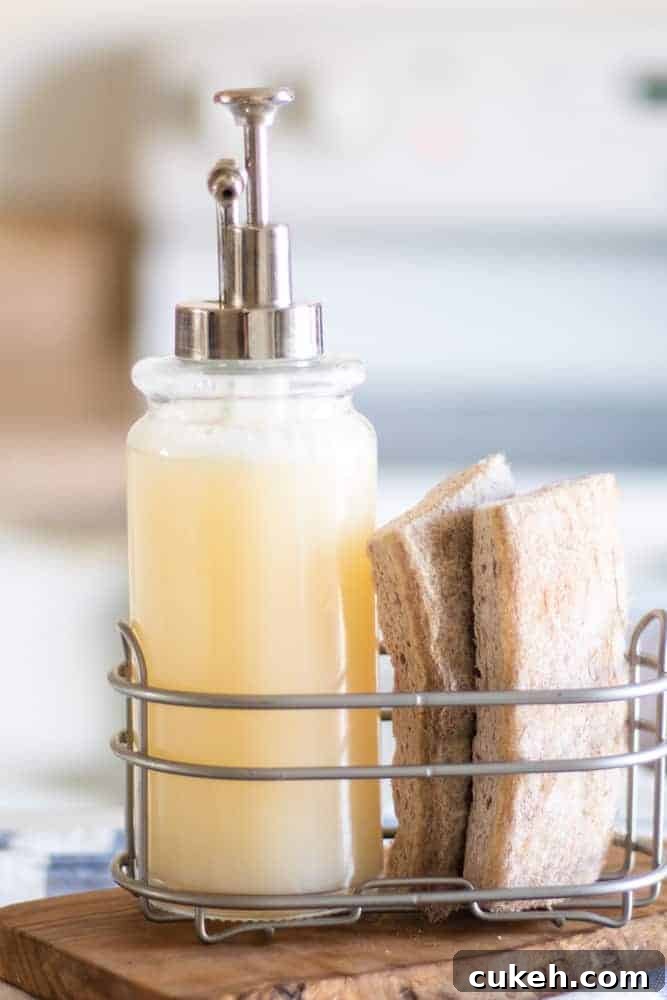
Learn how to make an all-natural dish soap with this simple, three-ingredient recipe. This homemade gel dish soap cuts grease, suds well, and cleans effectively.
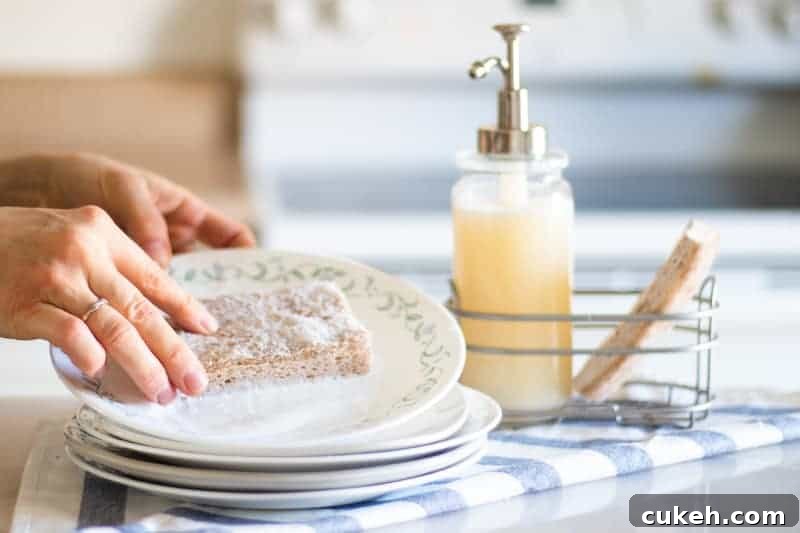
The first time I made dish soap it happened out of necessity—I ran out of store-bought soap while doing dishes and improvised. I adapted my foaming hand soap method, added a splash of vinegar, a few drops of citrus essential oil, and turned it into a spray. The lemon oil helped cut grease, and the improvised mix worked so well we used it for years. Recently I refined the formula into a thicker gel version that still shares one key ingredient: lemon essential oil. The result is a reliable, grease-cutting homemade dish soap.
All-Natural Dish Soap
Making natural dish soap at home is quick and inexpensive. I often mix it up during dinner cleanup, and it only takes a few minutes. This gel-style soap is concentrated and effective—use sparingly.
For this recipe you’ll need a soap bar (I often use Fels-Naptha, though any plain soap bar or a cold-process soap bar will work), sal suds, vegetable glycerin, water, and optional essential oils for scent and extra grease-cutting power.
Ingredients for Homemade Dish Soap
- Fels-Naptha soap bar (or another plain soap bar)
- Water
- Sal Suds
- Vegetable glycerin
- Essential oils (optional)
Fels-Naptha Soap Bar
Fels-Naptha is a classic, simple soap made from tallow, coconut oil, and palm oil. It’s commonly used in homemade cleaners and laundry soap. If you prefer, substitute a castile or other plain soap bar—the recipe still works.
Water
Water is the base for this liquid soap. You heat the water to melt the grated soap. Tap water works fine for most people, but if you have very hard water consider using filtered or distilled water to avoid mineral issues.
Sal Suds
Sal Suds is a concentrated, biodegradable cleaner similar to castile soap but with stronger grease-cutting power. A small amount provides good suds and cleaning ability, so use it sparingly.
Vegetable Glycerin
Vegetable glycerin is a clear, syrupy liquid derived from plant oils. It helps thicken the soap and improves lather and texture. It’s widely used in foods, cosmetics, and cleaners.
Essential Oils for Dish Soap
Essential oils are optional but useful. Citrus oils are especially good at cutting grease and add a fresh scent. My favorites for dish soap are lemon, wild orange, and lime. Other good choices include lavender, tea tree, lemongrass, and rosemary. Use a single oil or blend a few to your taste.
Essential Oil Blends
Citrus
- 5 drops lemon
- 3 drops wild orange
- 2 drops lime
Floral
- 5 drops lavender
- 3 drops chamomile
- 2 drops lemon
Fresh
- 5 drops lemon
- 5 drops rosemary
How to Make All-Natural Dish Soap
- Pour 1 1/2 cups of water into a small saucepan and heat over medium.
- Shred 1/4 cup of soap using a cheese grater.
- Add the soap shreds to the saucepan and stir frequently until they melt into the water.
- Remove the pan from heat and pour the soapy liquid into your dish soap container.
- Stir or add 1/4 cup sal suds, 1 tablespoon vegetable glycerin, and about 10 drops lemon essential oil (optional).
- Secure the lid and shake well to combine. Let the mixture sit if it needs to thicken before first use.
Notes: If your hands get dry from dishwashing, add 1 teaspoon of a carrier oil such as jojoba, fractionated coconut, or sweet almond oil to the final mixture.
How to Use Homemade Dish Soap
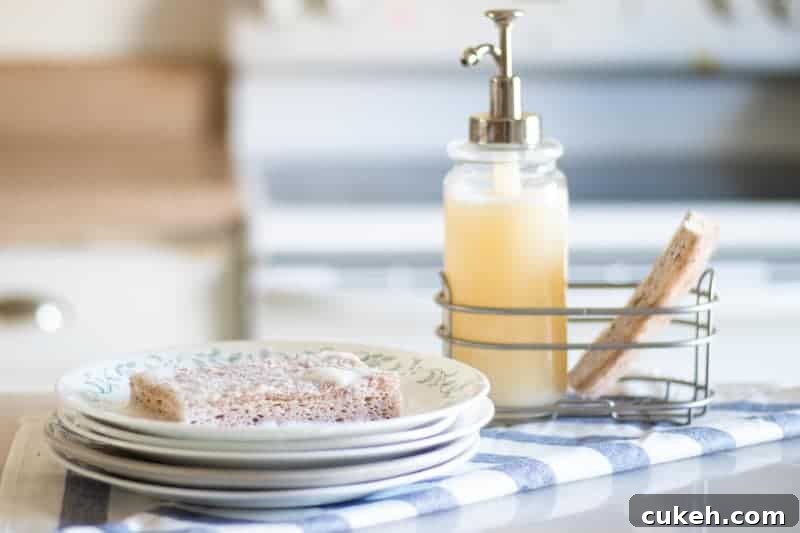
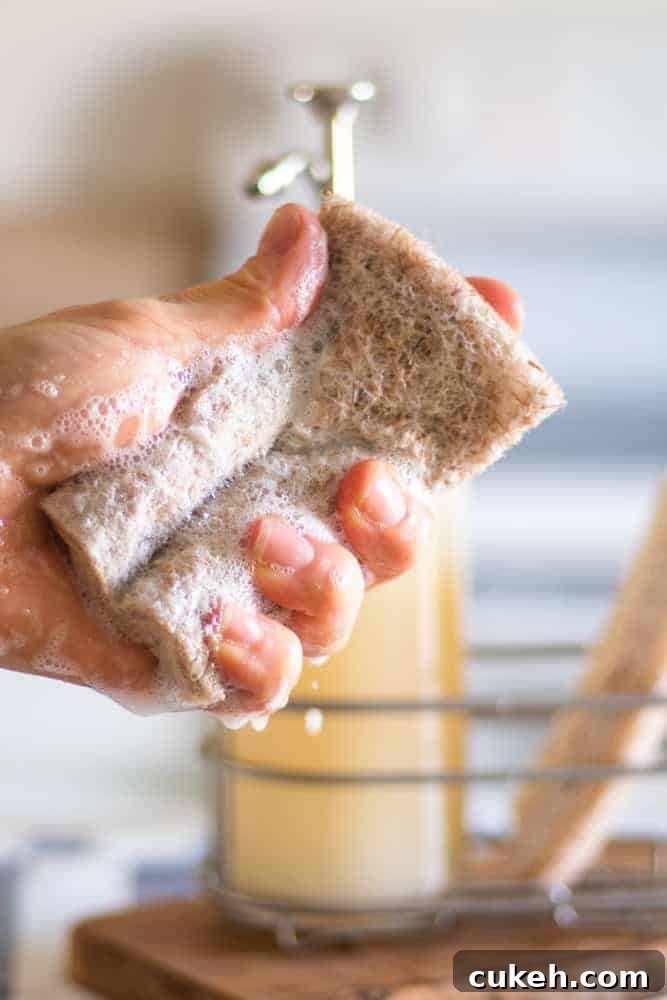
Fill the sink with warm water and add 1–2 tablespoons of the dish soap per wash. Swirl to distribute and let heavily soiled items soak a few minutes before washing. Alternatively, place a small amount on a sponge or washcloth and clean each dish directly, then rinse with warm water.
Shake the bottle before use if the ingredients separate—this is more common when essential oils are added.
Storage and Shelf Life
Store the soap in a mason jar, foaming dispenser, or a recycled dish soap bottle. The gel is too thick for most spray bottles. If you include essential oils, prefer glass or high-quality metal containers; only heavy-duty plastics reliably hold essential oils long-term.
This batch typically lasts up to one month. Because the soap is concentrated, a little goes a long way—about one tablespoon per sink load.
Why Make Your Own Dish Soap
Over time I moved away from conventional cleaners as I learned more about ingredients and greenwashing. Labels that claim “natural” or “plant-based” don’t always mean cleaner or safer ingredients. Making your own cleaners is usually cheaper and gives you control over the ingredients. It’s satisfying to know exactly what’s in the products you use for dishes, surfaces, and laundry.
If you try this recipe, consider leaving a review or adapting it to suit your preferences. Homemade cleaners are easy to tweak: change the essential oil, swap the soap bar, or adjust the sal suds amount until it matches your needs.
Homemade Dish Soap
Equipment
- saucepan
- box grater
- dish soap container
Ingredients
- 1/4 cup Fels-Naptha soap bar, shredded
- 1 1/2 cups water
- 1/4 cup Sal Suds
- 1 tablespoon vegetable glycerin
- 10 drops lemon essential oil (optional)
Instructions
- Pour water into a small saucepan and warm over medium heat.
- Shred the soap bar with a cheese grater.
- Add the soap shreds to the saucepan, stirring until fully melted.
- Remove from heat and pour the soapy water into your container.
- Add Sal Suds, vegetable glycerin, and essential oils, then secure the lid and shake well.
Notes
For dry hands, add 1 teaspoon carrier oil such as jojoba, fractionated coconut, or sweet almond oil. Allow the soap to rest if it needs to thicken before first use.
This recipe is provided for informational purposes and is not intended as medical advice. Test and adjust recipes as needed for your household.