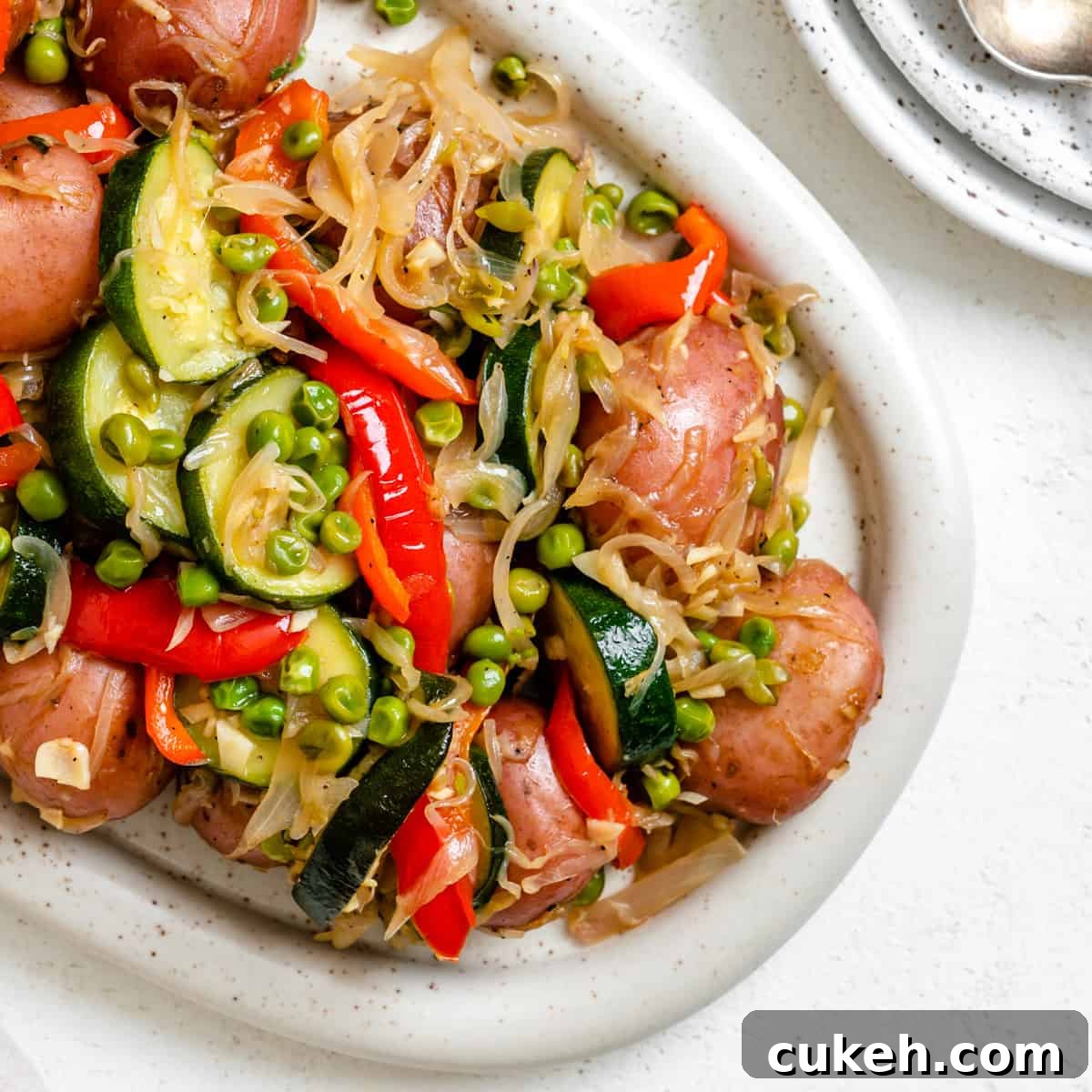
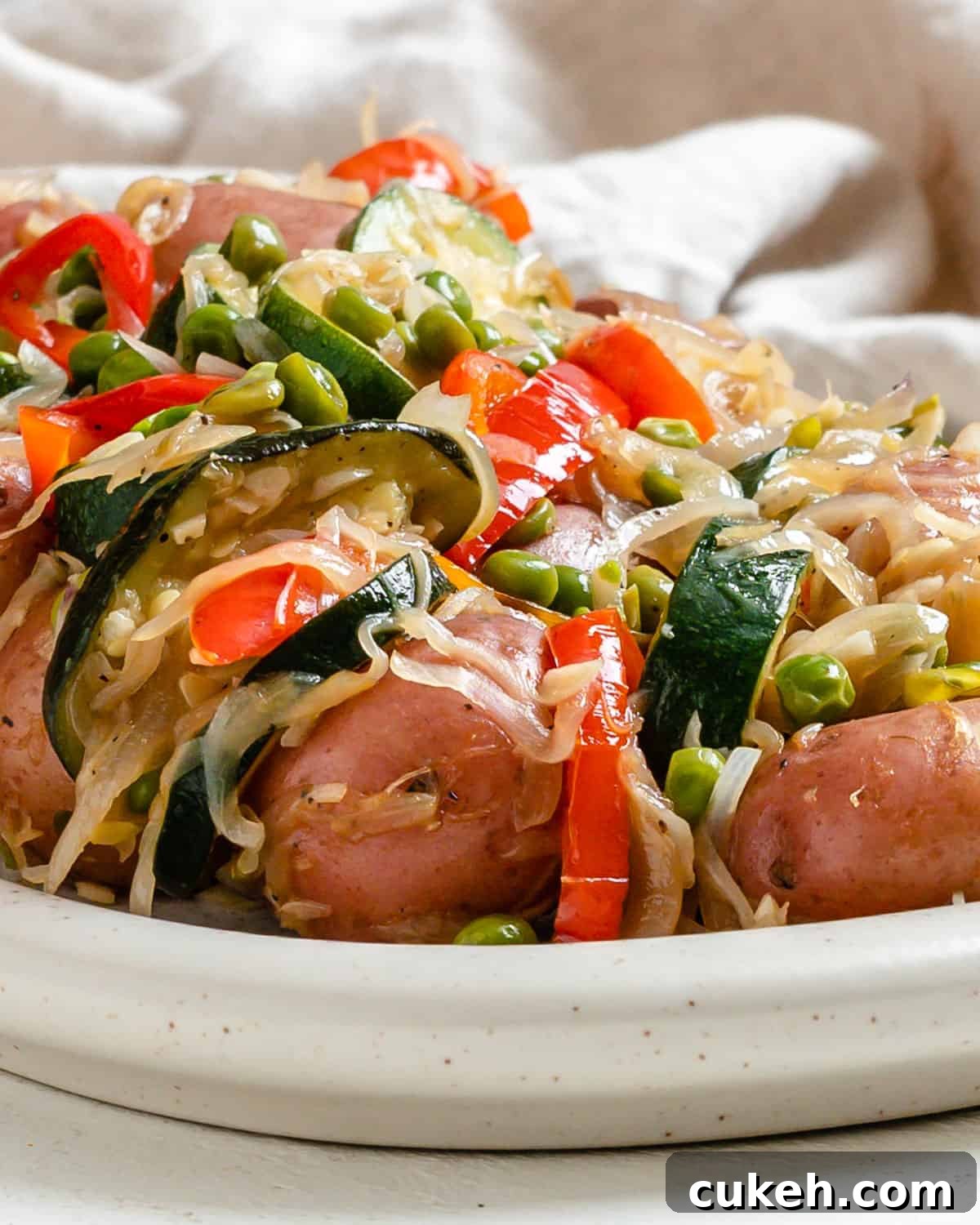
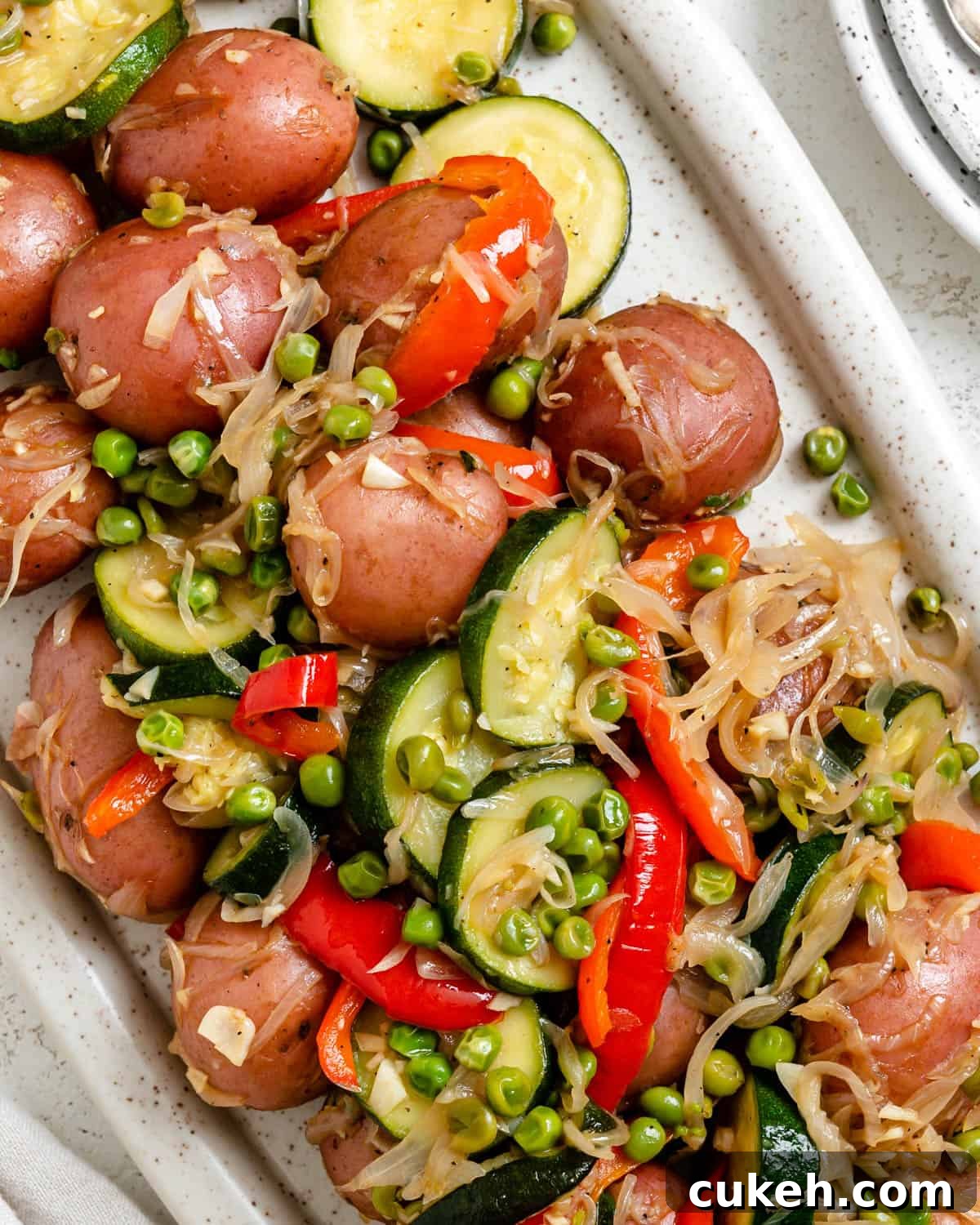
If you want to add more fresh vegetables to your meals, these Sautéed Mixed Vegetables with Baby Potatoes are an easy, flavorful option. Ready in about 30 minutes on the stovetop, they work well as a hearty side or a light plant-based main. Finish with a spoonful of mushroom gravy for extra richness and depth.
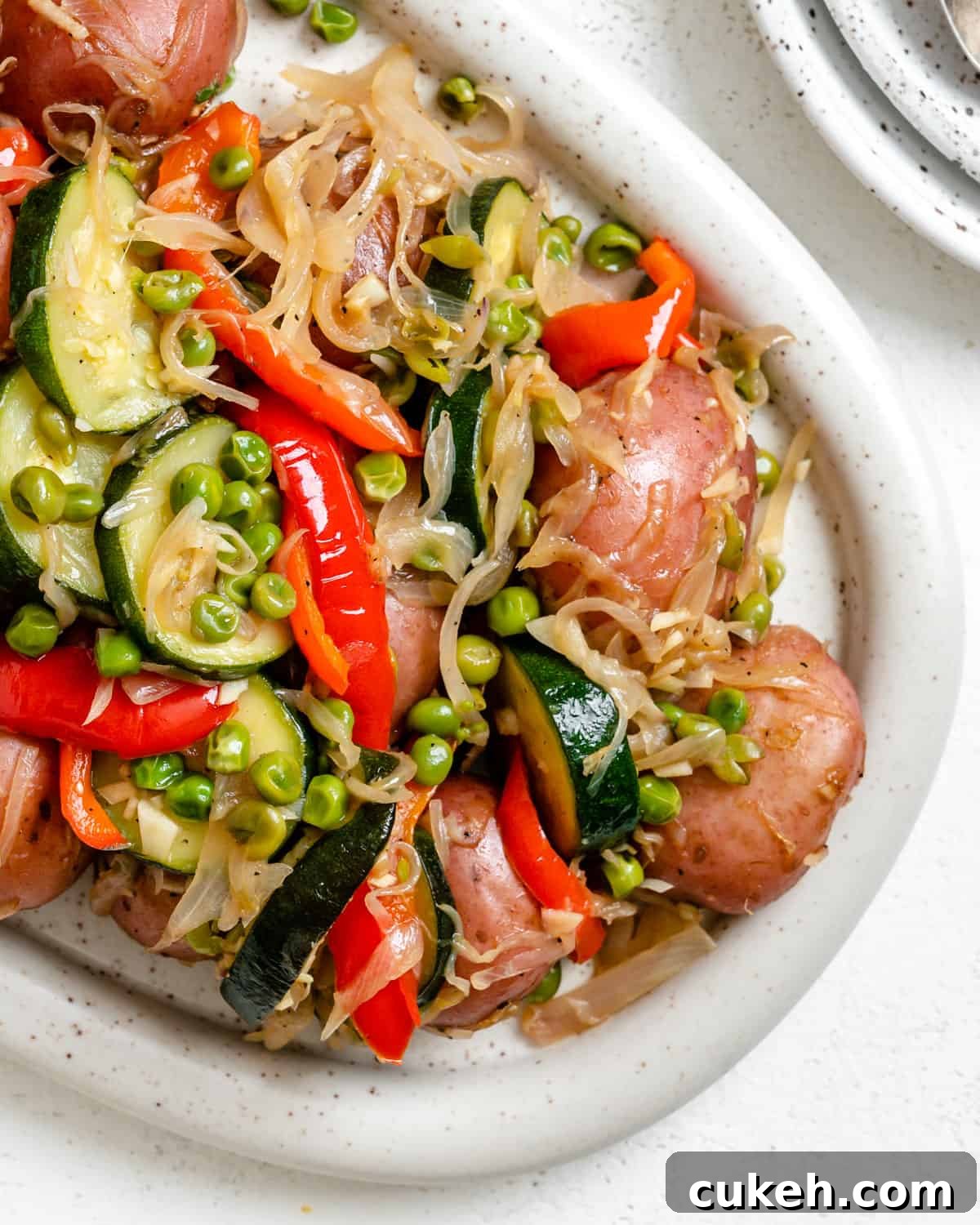
This simple sauté shows how affordable and satisfying plant-based cooking can be. With a single skillet and a handful of fresh or frozen vegetables, you can make a colorful, nutrient-dense dish that’s filling and versatile year-round.
Why You’ll Love These Sautéed Mixed Vegetables
- Fast for busy nights. Ready in about 30 minutes, this recipe gives you a satisfying, fiber-rich plate with vitamins and minerals—thanks in part to the baby potatoes that add heartiness.
- Vegan and naturally gluten-free. The dish is plant-based and gluten-free as written. To make it oil-free, swap the oil for water or vegetable broth when sautéing.
- Great for meal prep. Double the batch and divide into containers for lunches or dinners during the week.
- Simple seasoning, big flavor. Salt, black pepper, fresh garlic, and a splash of balsamic vinegar keep the flavors straightforward and adaptable.
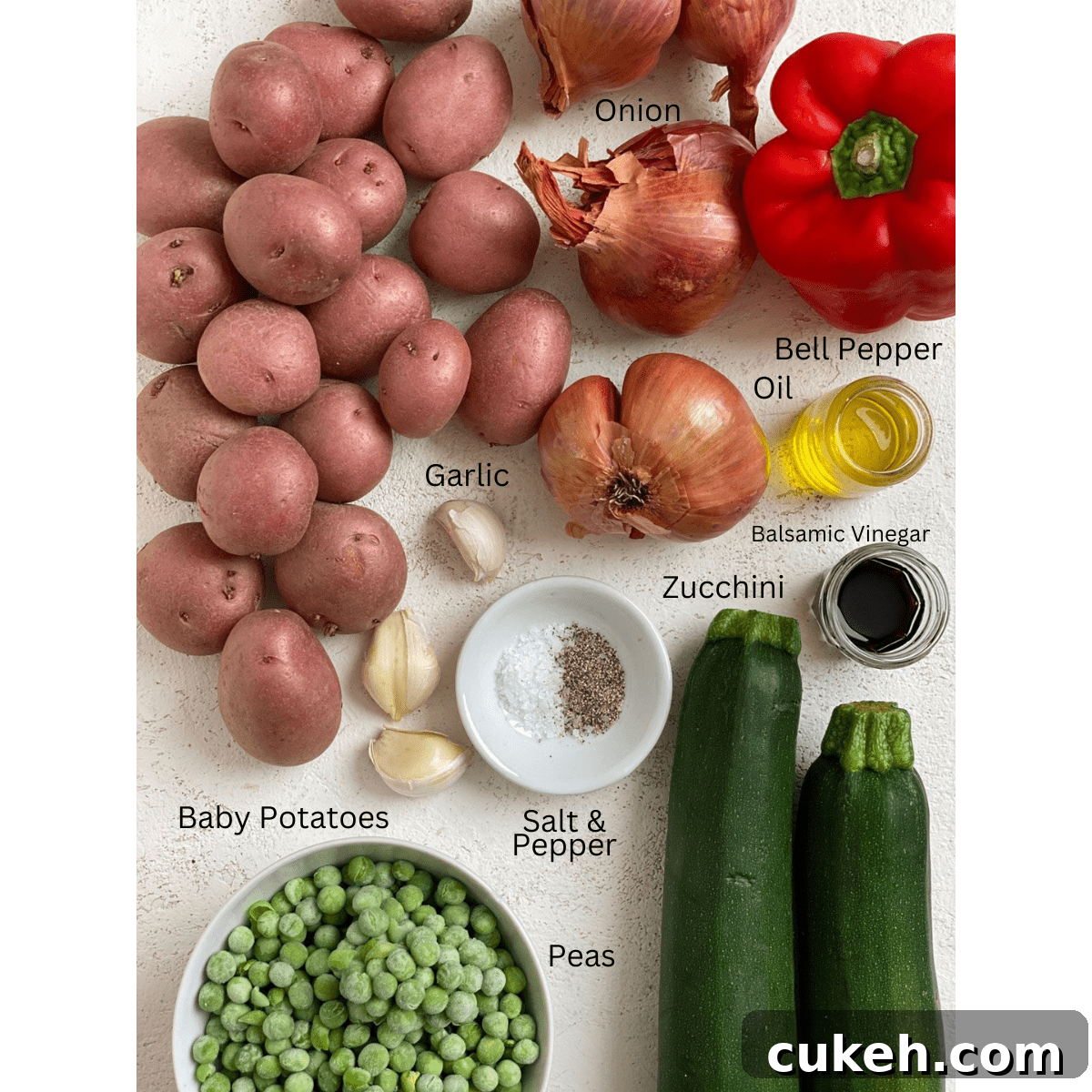
The Ingredients
Add-ins and Substitutions
- Use frozen mixed vegetables: A 5–6 cup bag of frozen vegetable medley can replace the fresh bell pepper, zucchini, and peas. Cook long enough for excess water to evaporate so the veggies don’t become soggy.
- Swap vegetables: This recipe is flexible—snap peas, green beans, small broccoli florets, bok choy, or leafy greens all work well. Adjust cooking times for firmer or softer vegetables.
- Potato variations: Boiling baby potatoes is quick and keeps them tender, but roasting or grilling them adds different textures and flavor. Choose the method that best fits your meal plan.
How to Make Sautéed Mixed Vegetables
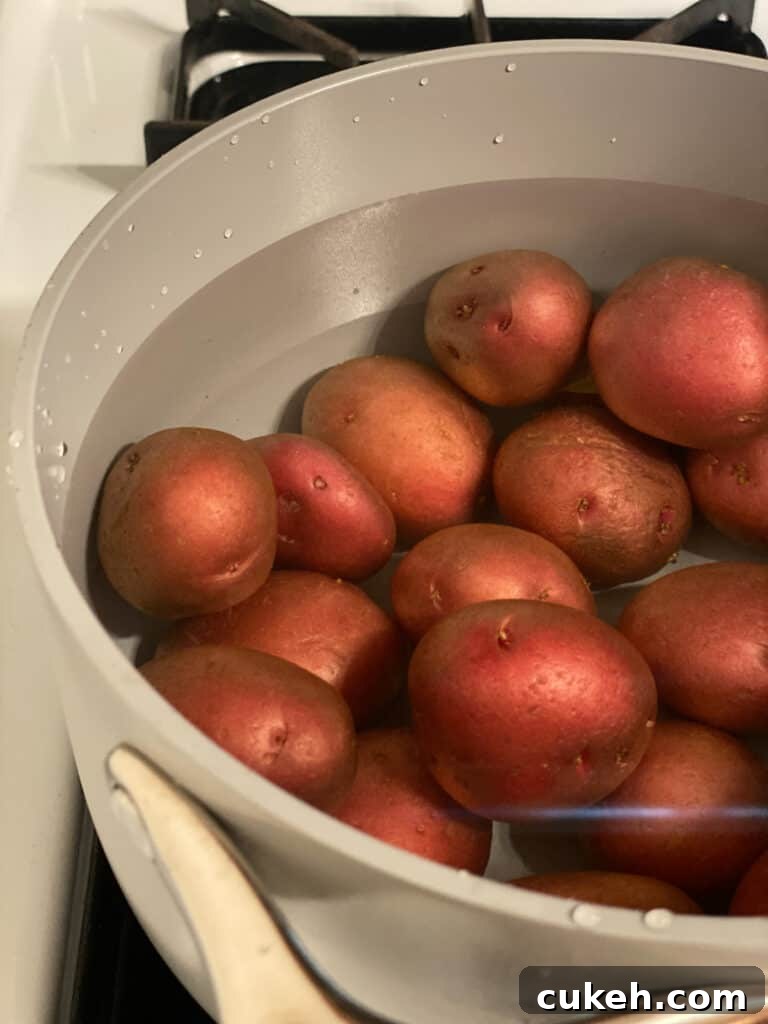
- 1) Place the baby potatoes in a medium pot and cover with water. Bring to a boil and cook until tender and easily pierced with a fork, about 10–20 minutes depending on size. Drain and return the potatoes to the pot. Toss with 1 teaspoon olive oil, finely chopped garlic, salt and black pepper to taste. Cover to keep warm.
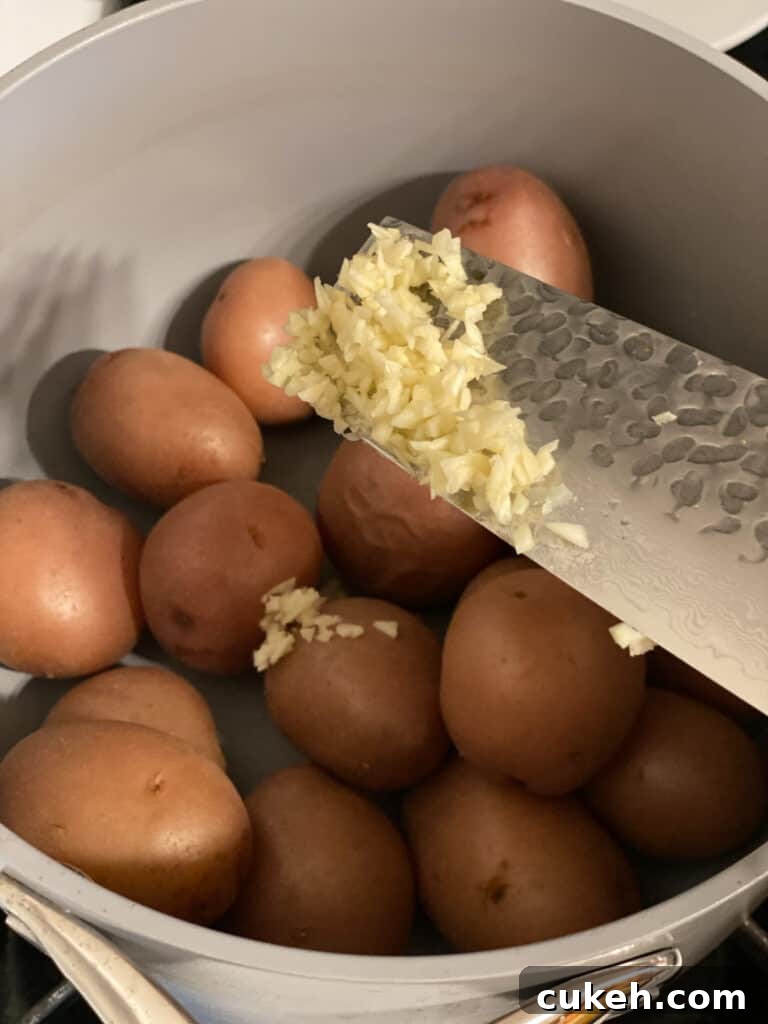
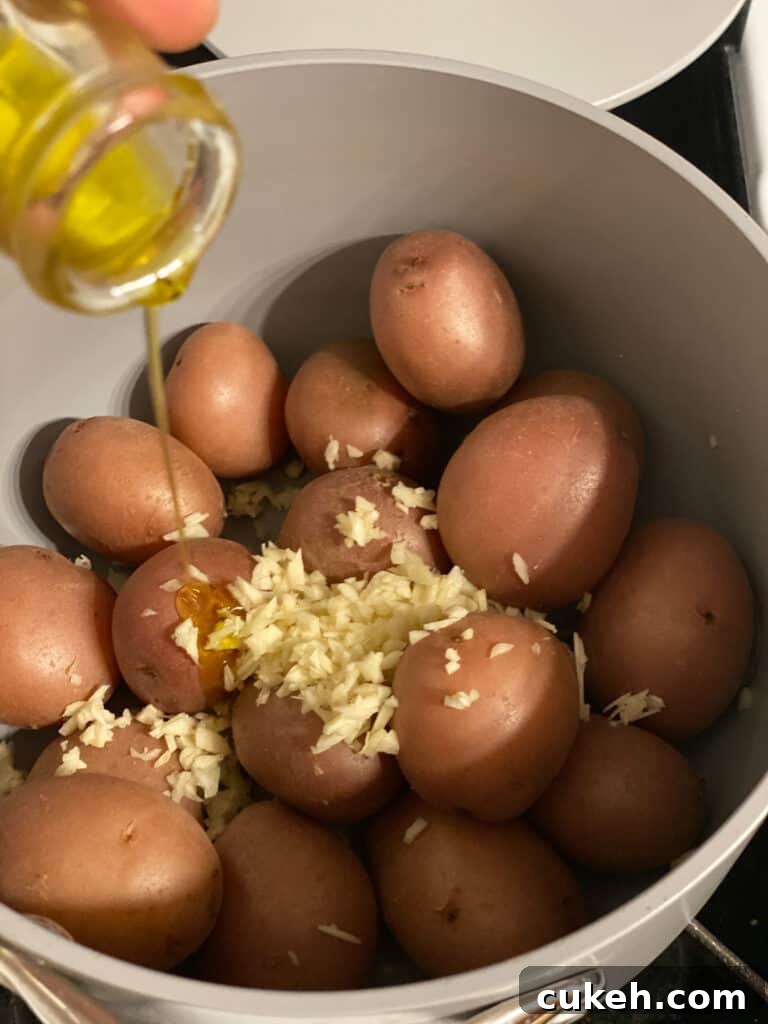
- 2) While the potatoes cook, heat 1 tablespoon of olive oil in a large skillet over medium heat. Add sliced shallots (or onion) and sauté, stirring frequently, for 3–4 minutes until they begin to brown.
- 3) Add sliced bell peppers and zucchini (or summer squash) and cook about 5 minutes more, allowing released moisture to evaporate. Stir in the peas, season with salt and black pepper, and finish with 1 teaspoon of balsamic vinegar.
- 4) Serve the sautéed mixed vegetables alongside the warm baby potatoes, or combine them in a bowl as desired.
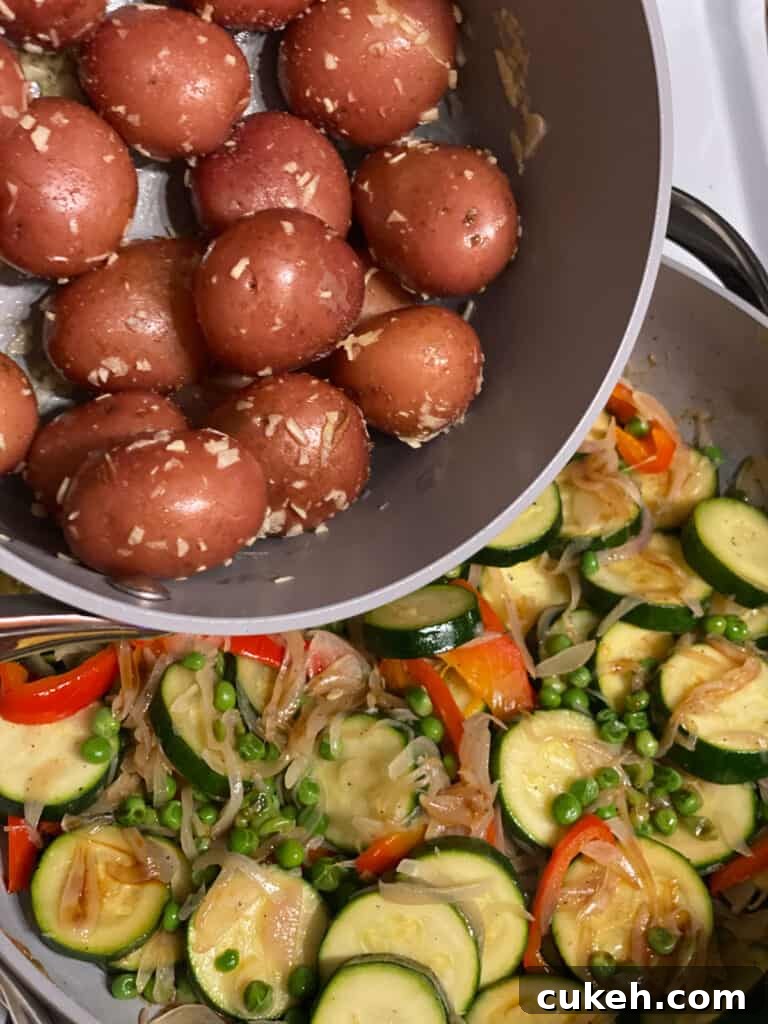
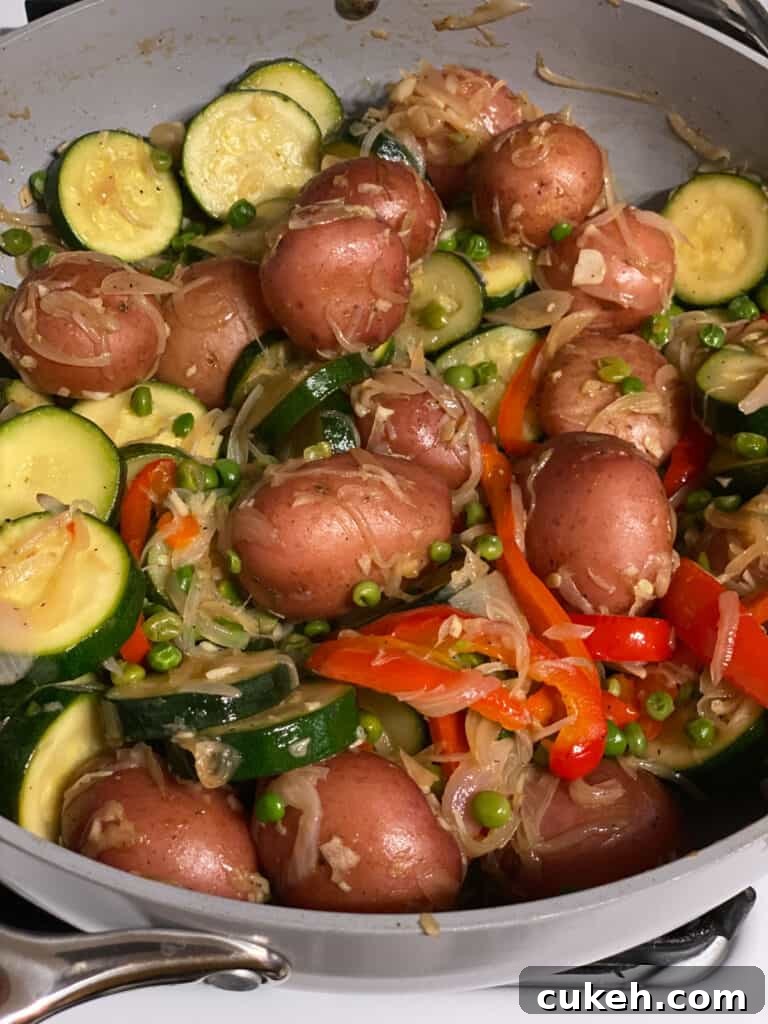
Recipe FAQs
Preheat the oil so the vegetables hit a hot surface and develop color. For water-rich vegetables (zucchini, squash, mushrooms, eggplant, cabbage), sauté until the liquid releases and evaporates; removing them from the pan too soon traps moisture and causes sogginess.
Either method works. A small amount of oil gives good browning; to cook oil-free, use a splash of water or vegetable broth, adding more as needed to prevent sticking.
Keep the lid off so steam can escape. This allows moisture to evaporate, helping the edges to caramelize and improving flavor.
Top Recipe Tips
- Cut vegetables evenly. Uniform pieces cook at the same rate, preventing some pieces from becoming mushy while others remain underdone.
- Season confidently. Salt and pepper are the base; consider red pepper flakes, Italian seasoning, garlic powder, or fresh herbs to suit your taste.
- Choose a good cooking oil. Use a neutral oil with a high smoke point, such as olive oil, avocado oil, vegetable oil, or refined coconut oil. Avoid delicate oils with low smoke points unless used cold.
Serving Suggestions
With the fiber-rich baby potatoes, this dish is substantial enough to serve as a light dinner. It’s excellent topped with mushroom gravy or a simple vegan gravy for added comfort. As a side, pair it with plant-based proteins like black bean meatballs, BBQ seitan, or grilled tofu steaks for a complete meal.
Storage Instructions
Store: Refrigerate leftovers in an airtight container for up to 4 days.
Freeze: Freezing sautéed mixed vegetables is not recommended because texture can change, especially for water-rich veggies. Cooked baby potatoes freeze well: cool, freeze spread on a sheet until solid, then transfer to a freezer-safe container for up to 3 months. Thaw in the fridge before reheating.
Reheat: Reheat in the microwave, on the stovetop, or in an air fryer for crispier edges (350°F for 5–7 minutes until warmed through).
More Healthy Recipes Using Mixed Vegetables
- Vegan Roasted Vegetables with Thyme
- Easy Farro with Roasted Vegetables
- Eggplant Stacks
- Easy Mushy Peas with Roasted Veggies
- Vegan Sweet Potato Salad
Photos by Alfonso Revilla
Sautéed Mixed Vegetables with Baby Potatoes
Ingredients
- 1 pound baby potatoes (smaller potatoes cook fastest)
- 1 teaspoon olive oil (for the potatoes)
- 3 cloves garlic, finely chopped
- 1/4 teaspoon salt (for potatoes)
- 1/4 teaspoon black pepper (for potatoes)
- 3 shallots or 1 small onion, sliced
- 3 bell peppers, sliced
- 2 zucchini or summer squash, sliced
- 3/4 cup peas (fresh, canned, or frozen)
- Salt and pepper to taste for the vegetables
- 1 teaspoon balsamic vinegar
Instructions
- Place the baby potatoes in a medium pot and cover with water. Bring to a boil and cook until tender, about 10–20 minutes depending on size. Drain and toss with 1 teaspoon olive oil, chopped garlic, salt and pepper. Keep warm.
- While the potatoes cook, heat 1 tablespoon olive oil in a large skillet over medium heat. Sauté shallots or onion for 3–4 minutes until they begin to brown.
- Add the sliced peppers and zucchini, cooking about 5 minutes until excess moisture evaporates. Stir in peas, season with salt and pepper, and finish with 1 teaspoon balsamic vinegar.
- Serve the vegetables with the warm baby potatoes or combine them as preferred.
Notes
- This is excellent combined with mushroom gravy.
- Chop vegetables uniformly for even cooking.
- Adjust seasonings to taste—try red pepper flakes, Italian seasoning, or fresh herbs.
- Use a neutral, high smoke-point oil for sautéing such as olive, avocado, or refined coconut oil.