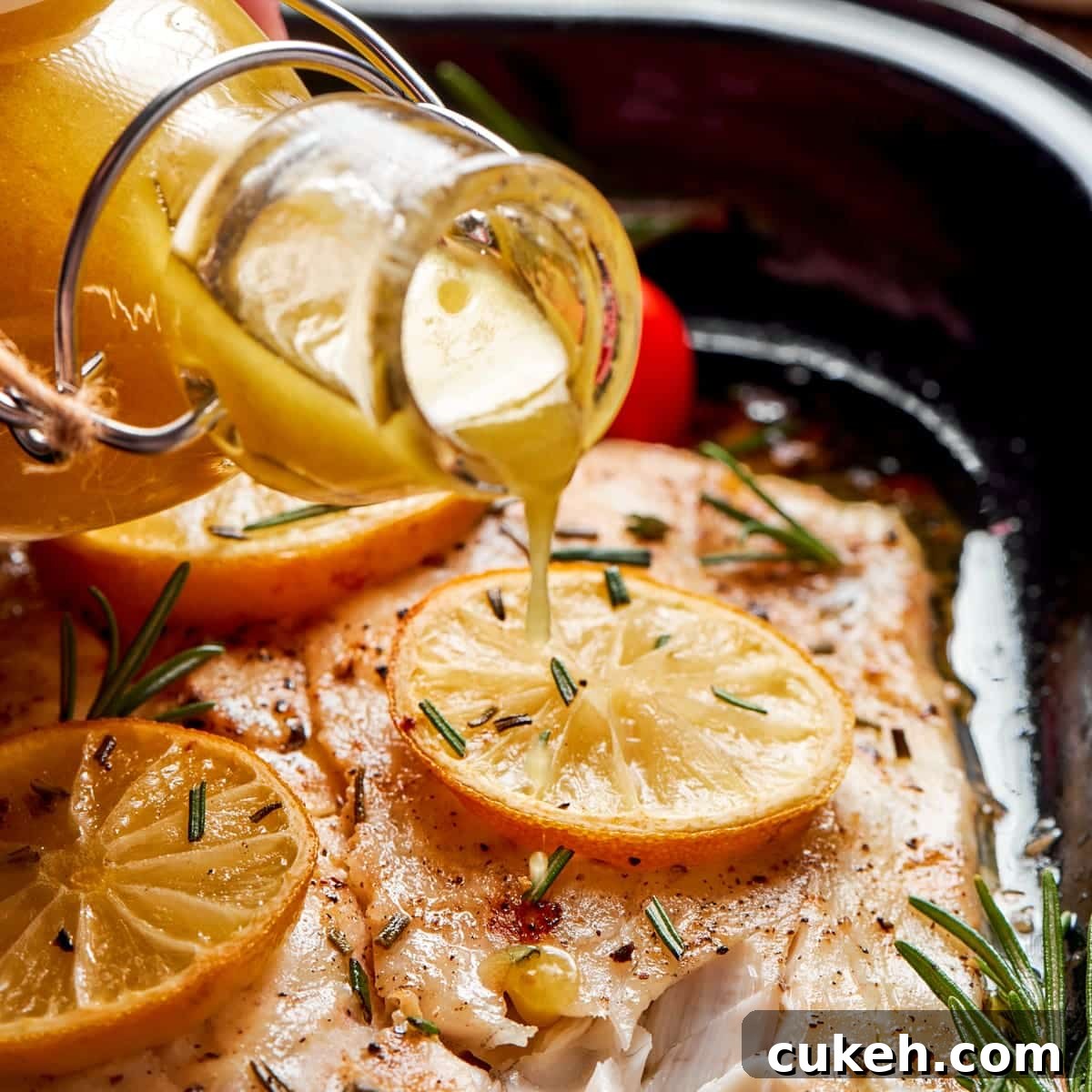
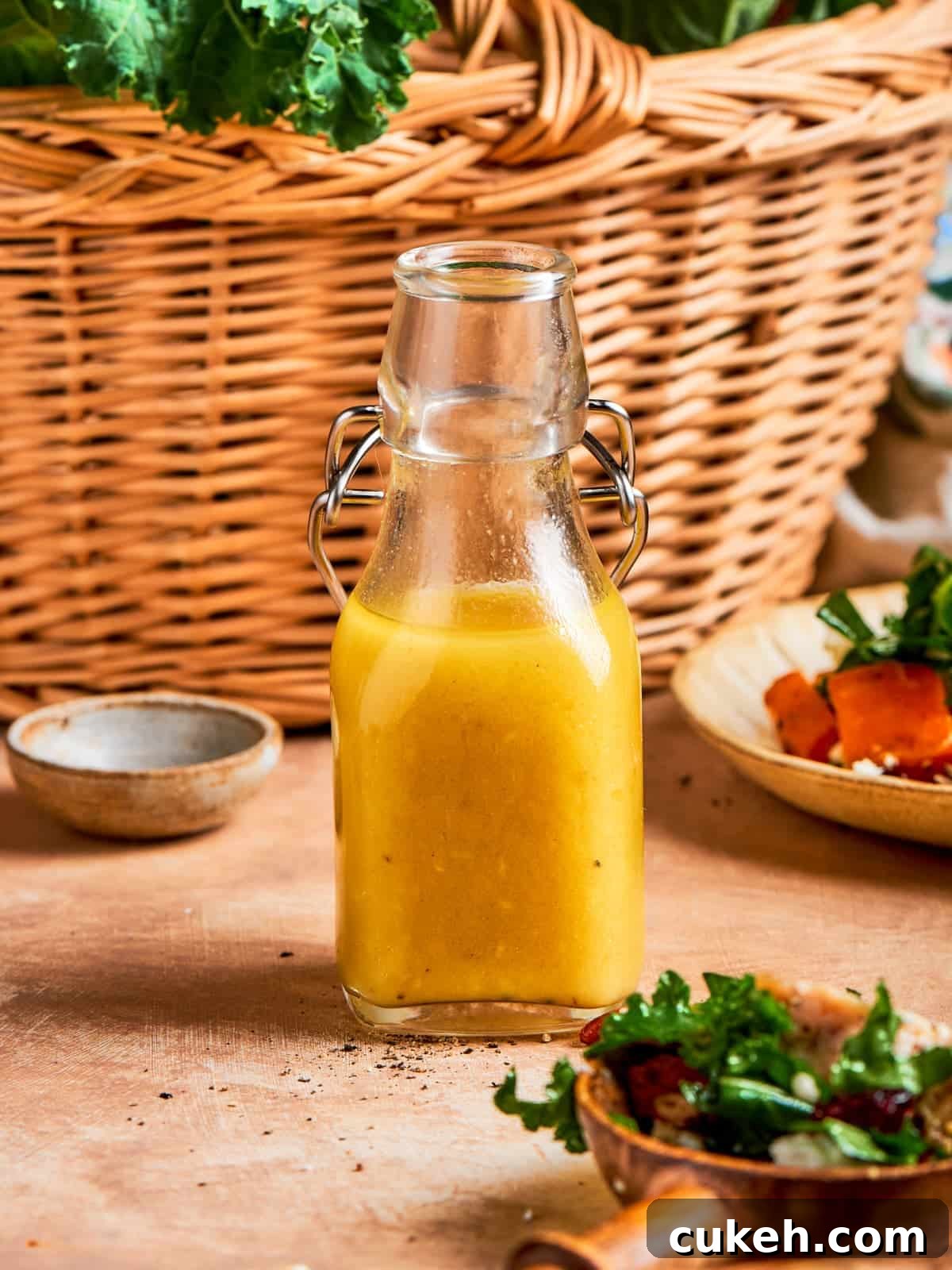
This simple champagne vinaigrette recipe begins with mild champagne vinegar for a brighter, more delicate flavor than many standard vinaigrettes. It comes together in about five minutes and emulsifies easily by hand—no blender required.
A Quick Look At The Recipe
This is a brief summary of the recipe. Jump to the recipe to get the full details.
Jump to Recipe
Prep Time
5 minutes
Total Time
5 minutes
Servings
12 servings
Difficulty
Easy
Calories *
94 kcal per serving
Technique
Whisked vinaigrette, finished with slow oil emulsification
Flavor Profile
Bright, lightly sweet, tangy, and silky
* Based on nutrition panel
I made this champagne vinaigrette exactly as written and was surprised how creamy it became just from whisking. The balance of honey and acidity was perfect, and it tasted even better the next day straight from the fridge. ⭐⭐⭐⭐⭐
Lauren
Why This Recipe Works
- Balanced acidity. Champagne vinegar is softer and more refined than many wine vinegars, making the dressing lighter and especially well suited to fruit-forward salads and delicate greens.
- Natural emulsification. Dijon mustard and honey stabilize the dressing without additives. The classic ratio of roughly two parts oil to one part vinegar yields a silky, steady vinaigrette.
- Versatile. It’s elegant enough for seafood and refined salads but simple enough for everyday use, and it pairs well with sturdier greens and roasted vegetables.
- Improves with time. Flavors mellow and meld after resting, so the vinaigrette often tastes better the next day.
Table of Contents
- Why This Recipe Works
- Ingredients & Substitutions
- Variations on This Champagne Vinaigrette Recipe
- Professional Tips
- How to Make Champagne Vinaigrette
- Recipe FAQs
- Recommended Salad & Dressing Recipes
- Champagne Vinaigrette Recipe
- Before You Go
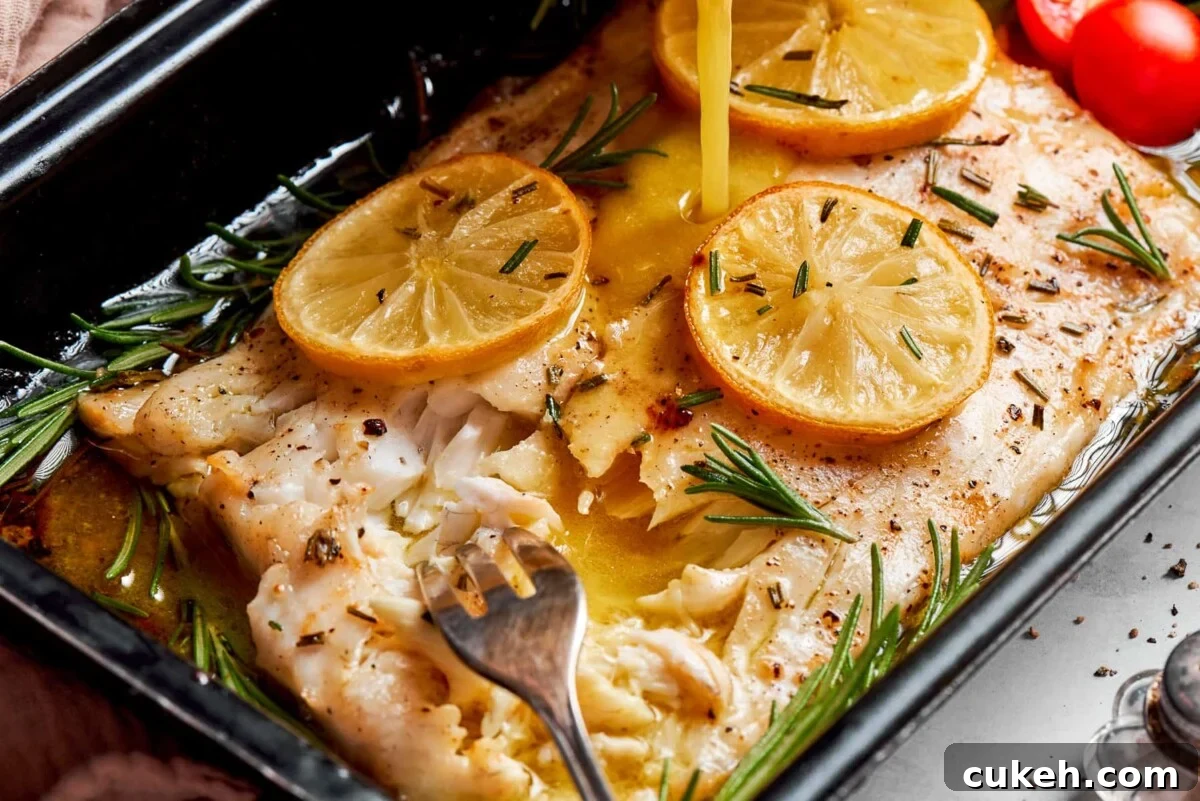
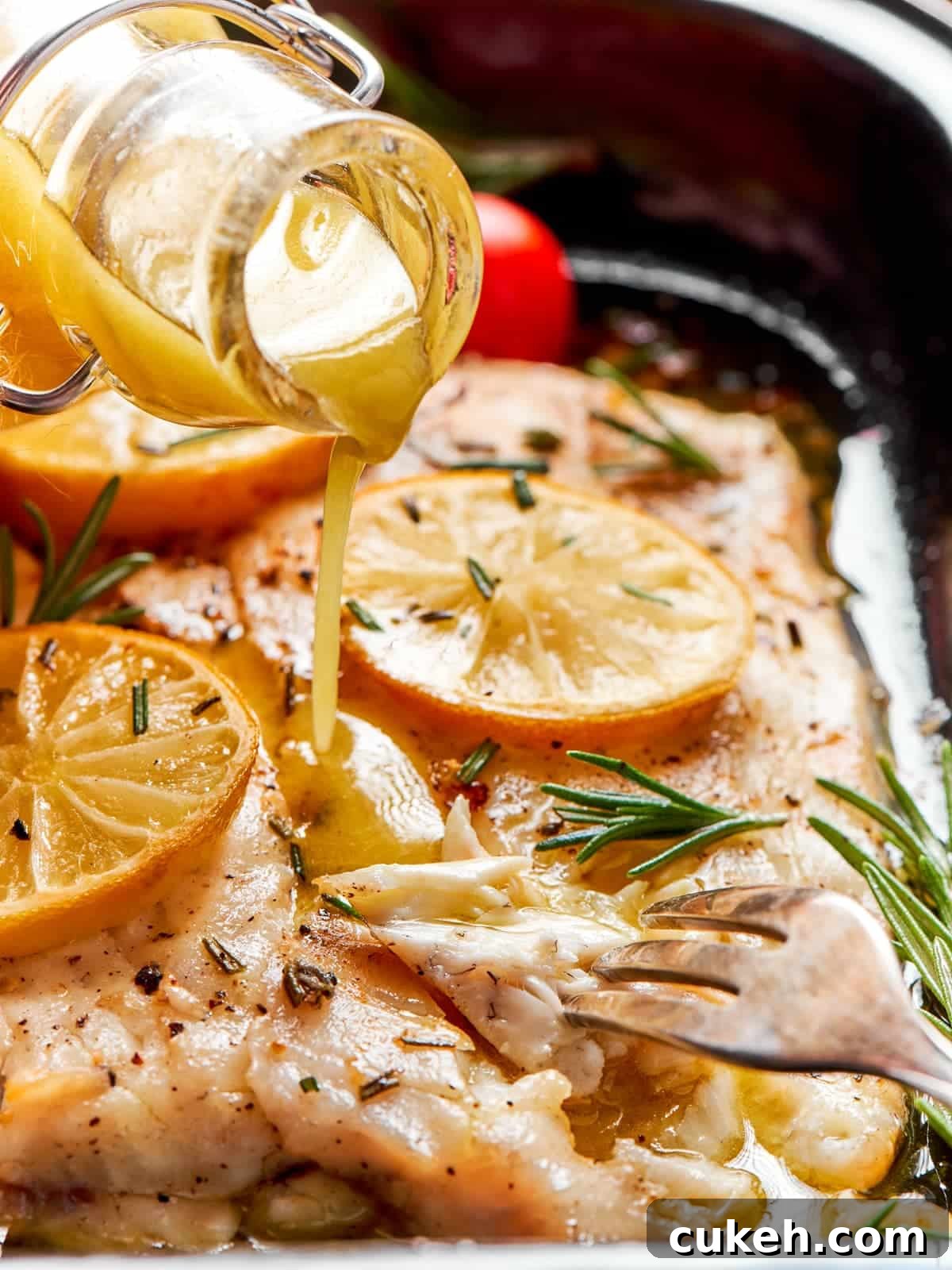
This vinaigrette began as a simple finishing touch for an avocado and tomato salad and a baked halibut dish, but it quickly became a go-to dressing year-round. It brightens grains, adds polish to roasted vegetables, and complements stronger greens like kale when used sparingly.
Ingredients & Substitutions
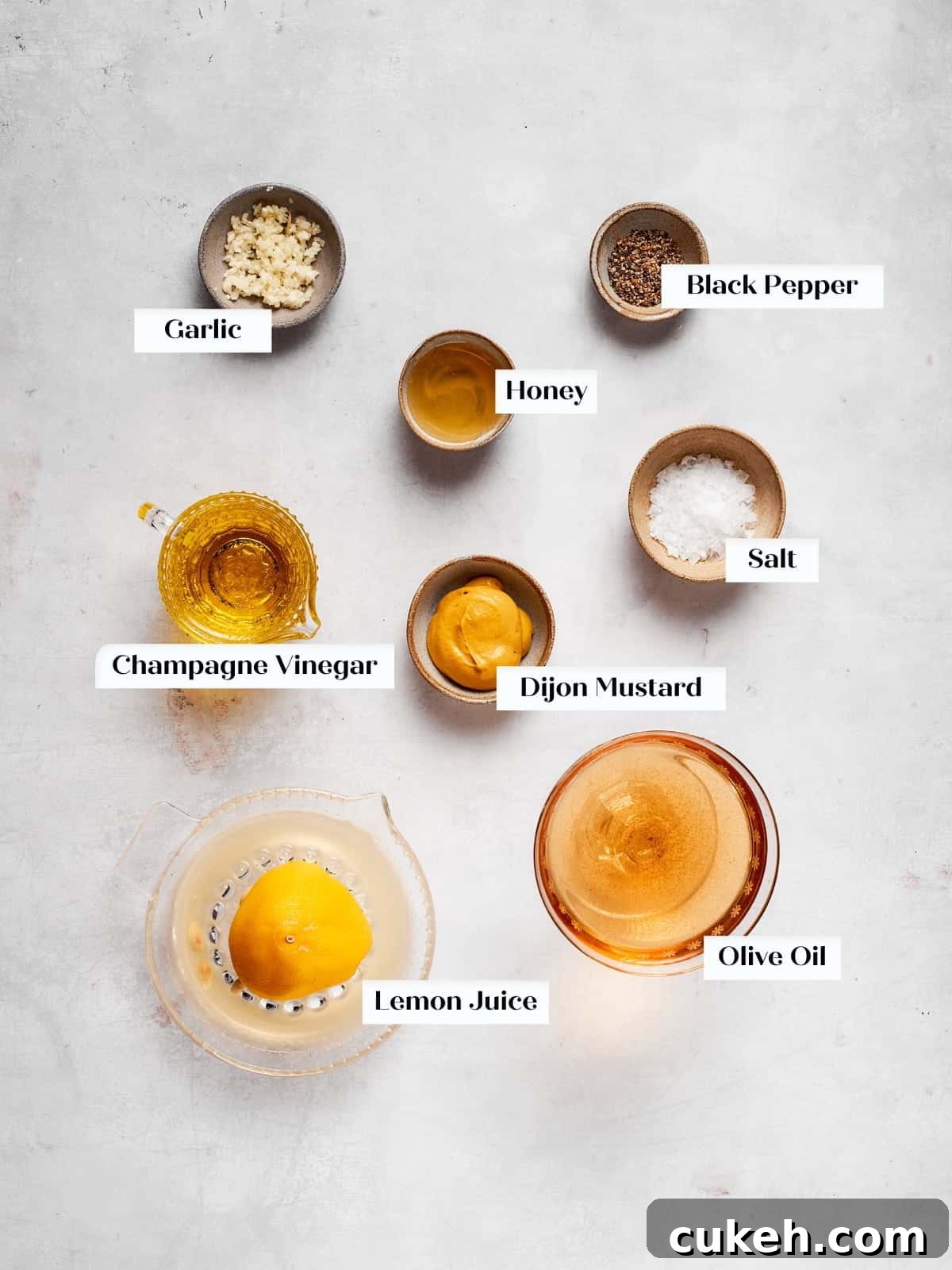
- Champagne vinegar: Delicate and floral. If you can’t find it, substitute white wine vinegar for a sharper taste.
- Dijon mustard: Adds flavor and helps emulsify. Use classic smooth Dijon for best results.
- Honey: Balances acidity and stabilizes the dressing. Maple syrup is an option if you prefer its deeper sweetness.
- Extra virgin olive oil: Pick a clean, fruity oil; very peppery oils can overpower the dressing.
- Fresh lemon juice: Boosts brightness and complements the vinegar without dominating the flavor.
See the recipe card for exact amounts.
Variations on This Champagne Vinaigrette Recipe
- Add fresh herbs: Finely chopped chives, dill, or parsley add a fresh, seasonal note.
- Make it creamier: Stir in a tablespoon of room-temperature Greek yogurt for a soft, creamy finish.
- Sweetness adjustment: Add an extra teaspoon of honey when pairing the dressing with bitter greens or rich dishes.
- Scale the recipe up for larger batches—keep the proportions the same for consistent results.
Professional Tips
- Whisk the vinegar, mustard, lemon juice, honey, salt, and pepper together before adding oil so the seasoning is even.
- Pour the olive oil in a slow, steady stream while whisking to form a stable emulsion.
- Taste after chilling. Cold temperatures mute acidity, so you may want to add a pinch more salt or a splash more vinegar or lemon juice.
How to Make Champagne Vinaigrette
Follow these steps to make a smooth, balanced champagne vinaigrette by hand—no food processor required.
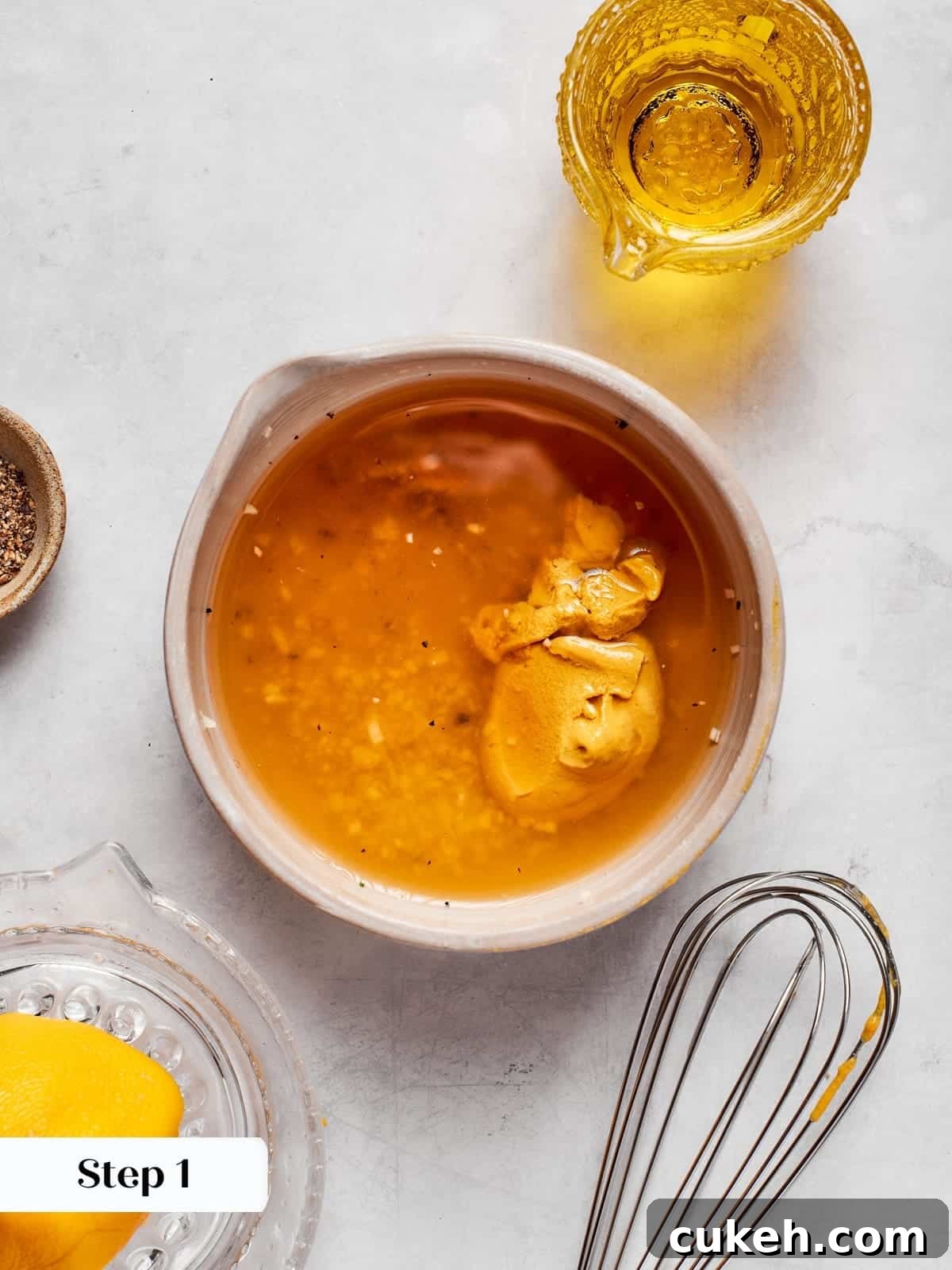
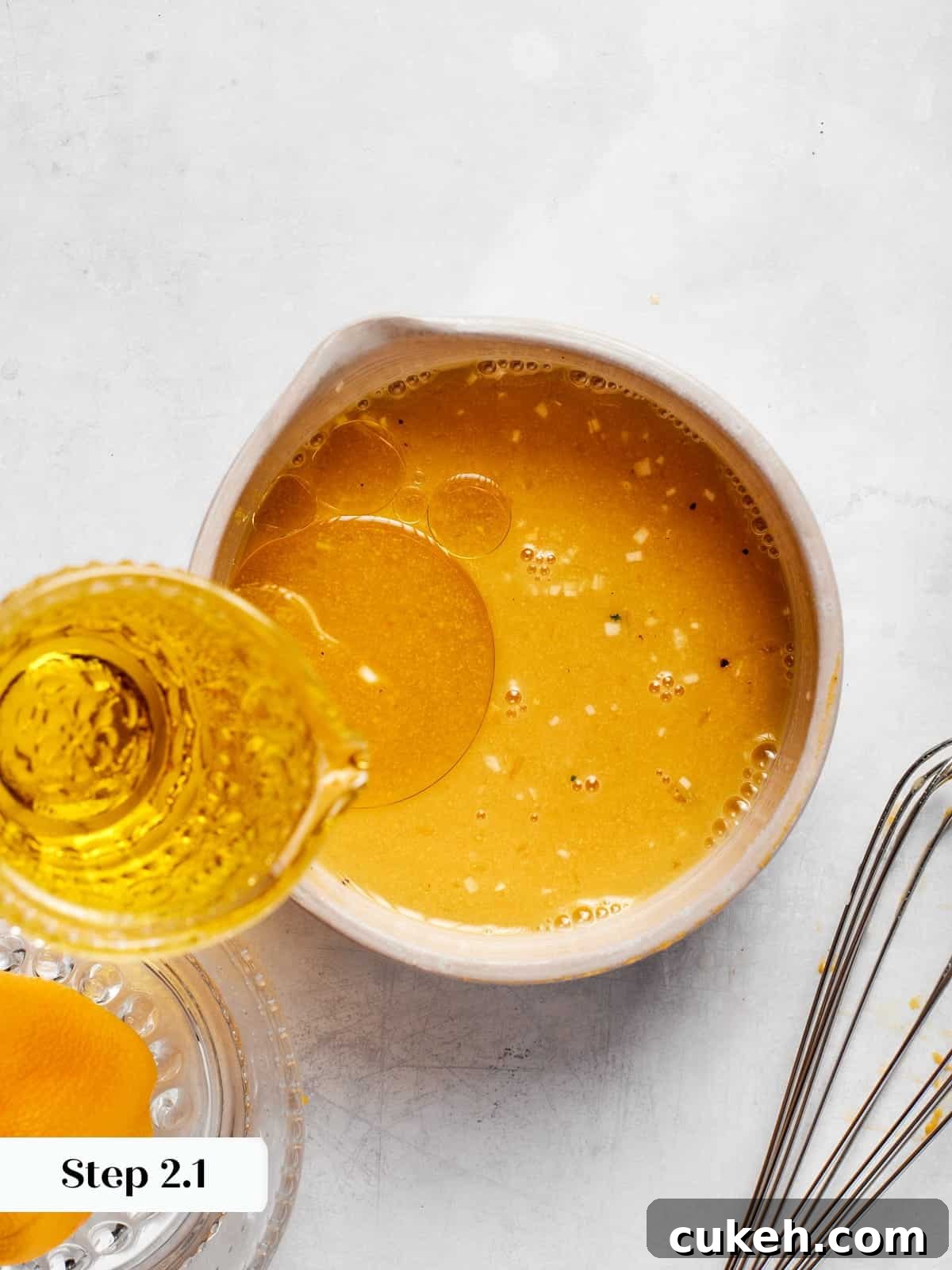
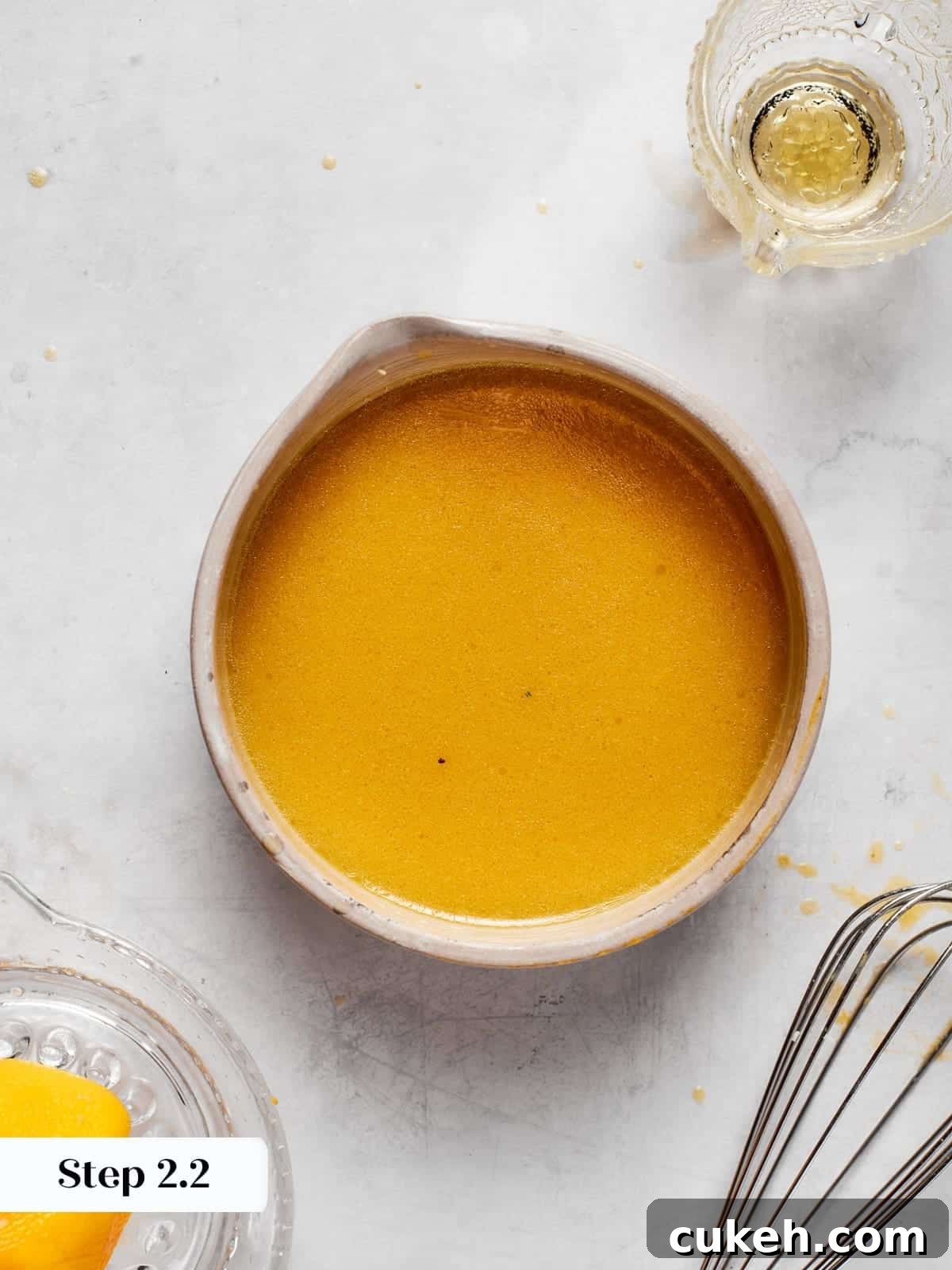
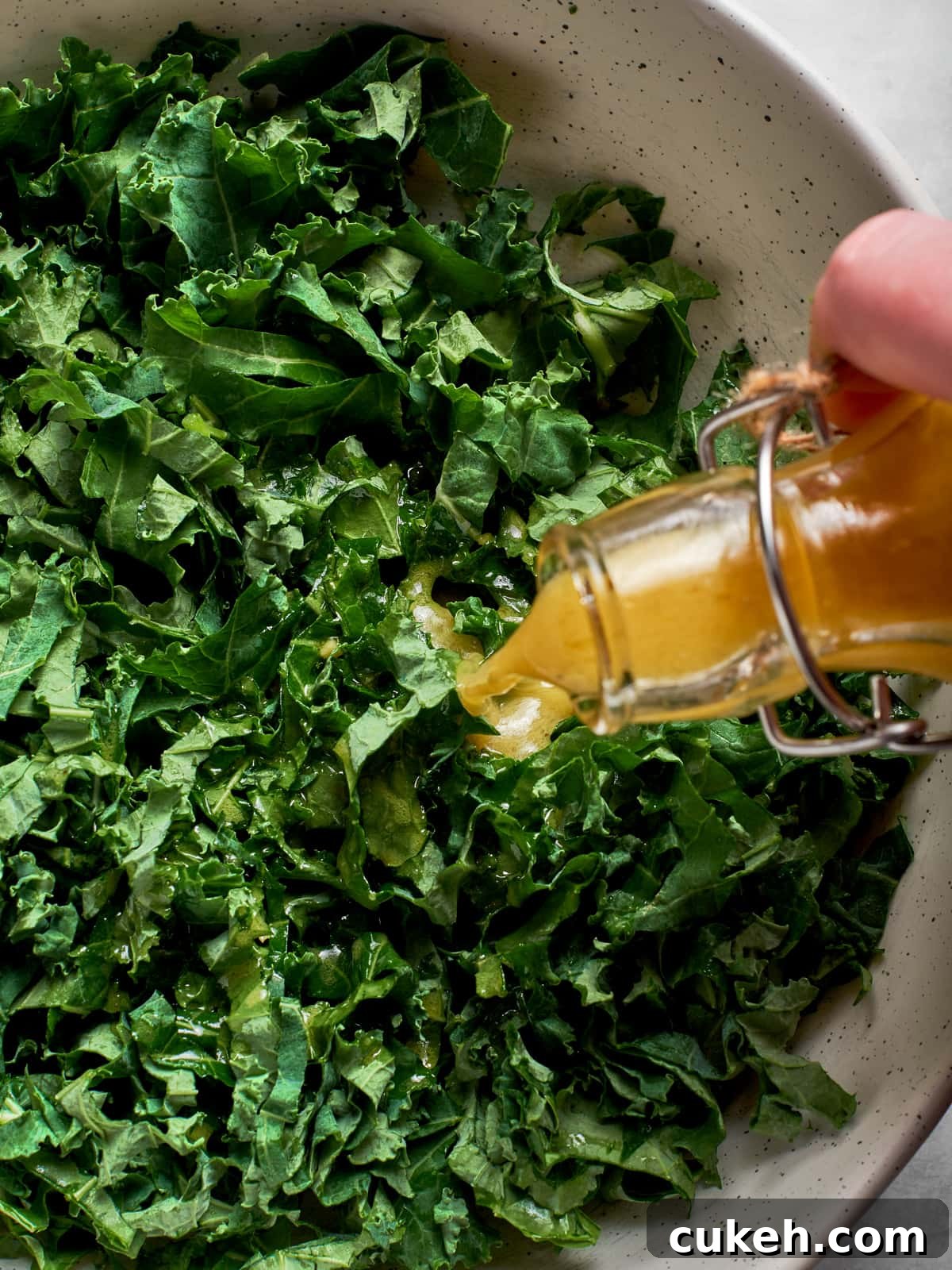
Step 1: Combine the base. Whisk garlic, Dijon mustard, champagne vinegar, lemon juice, honey, salt, and pepper until smooth.
Step 2: Emulsify. While whisking continuously, drizzle in the olive oil slowly until the dressing is fully incorporated and slightly thickened.
Alternatively, put all ingredients in a mason jar, secure the lid, and shake vigorously until emulsified.
Step 3: Chill and adjust. Taste, tweak the seasoning if needed, and refrigerate until ready to use.
Recipe FAQs
Champagne vinaigrette is a light dressing made with champagne vinegar, oil, and an emulsifier such as Dijon mustard. It’s known for a delicate acidity and a refined flavor that pairs well with salads, seafood, and tender vegetables.
It tastes bright and lightly tangy with a hint of sweetness and a smooth finish. Champagne vinegar’s milder acidity keeps the dressing balanced rather than sharp, letting the other ingredients shine.
No. Champagne vinegar is made from sparkling wine and has a softer, more delicate acidity. White wine vinegar is generally sharper and can be more assertive in delicate dressings.
Recommended Salad & Dressing Recipes
Sauces & Condiment Recipes
Italian Salad Dressing Recipe
Date Night
Heirloom Tomato and Mozzarella Salad
Filling Salad Recipes
Tuscan Kale Salad
Easy Side Dish Recipes
Marinated Tomato Stone Fruit Salad
If you tried this recipe and enjoyed it, please leave a star rating and share how it went in the comments. I love hearing from readers—your feedback helps me improve.
Champagne Vinaigrette
Comment
Print Recipe
Ingredients
- 1 clove garlic finely chopped
- 2 tablespoons Dijon mustard
- ¼ cup champagne vinegar
- 2 tablespoons fresh lemon juice
- 2 tablespoons honey
- ½ teaspoon kosher salt
- ½ teaspoon freshly ground black pepper
- ½ cup extra virgin olive oil
Instructions
-
Whisk together garlic, Dijon mustard, champagne vinegar, lemon juice, honey, salt, and pepper.
-
Slowly drizzle in olive oil while whisking until emulsified.
-
Taste and adjust seasoning. Chill until ready to use.
Notes
- Yield: About ¾ cup
- Flavor tips: Chill before serving for the best balance.
- Variations: Add herbs, adjust sweetness, or stir in yogurt to lighten.
- Storage: Keeps in the refrigerator for up to 5 days. Shake or whisk before using.
Nutrition
Before You Go
I hope you enjoyed this bright, elegant vinaigrette. If you liked the recipe, explore more easy dressings and fresh salads to bring a little extra polish to everyday meals.