For the past two weeks I’ve been feeling great, and my food choices are a big reason why. Food influences not only how we look but how we feel—digestively, mentally, and energetically. The old saying “you are what you eat” really holds true: when you eat well, sleep, energy levels, digestion, and overall health improve.
So what changed? Lately I’ve cut back on added and simple sugars (honey, unsweetened chocolate chips, many sweet fruits, and similar treats) and stopped eating solid foods after 9 p.m. These two adjustments made a noticeable difference. Sugar tends to cause bloating, energy crashes, and stronger cravings. Eating late disrupts my sleep—nightmares, tossing and turning, and feeling too full to lie down comfortably were becoming common. Stopping late-night eating and reducing sugar helped me sleep better and feel lighter and more energetic during the day.
Healthy changes often come down to consistent choices. Choosing better habits—more energy, improved digestion, stronger immunity—starts with preparing and setting yourself up for success. To make these habits stick, I use several simple strategies.
- Eat frequently: I aim to eat every two to three hours. Waiting too long makes me reach for whatever is convenient, which often means something less healthy.
- Plan ahead: If I’ll be out, I pack snacks or a small meal so I’m not tempted by whatever is available nearby.
- Designate a cooking day: Preparing meals in advance prevents the “no food” scenario and gives healthy options ready to go.
- Rotate vegetables and proteins: Changing up produce and proteins keeps meals interesting and prevents boredom.
- Find smarter substitutes: When I crave spreads like Nutella, I reach for sunflower seed butter for a similar texture. If I want a snack, a guacamole bowl with baked sweet potato chips hits the spot.
- Drink plenty of water: Thirst can masquerade as hunger. Staying hydrated reduces false cravings and supports digestion and energy.
- Wind down in the evening: I minimize vigorous activity after about 7 p.m. so my body naturally slows down. With lower energy demands at night, there’s less need to refuel late, which reduces late-night eating.
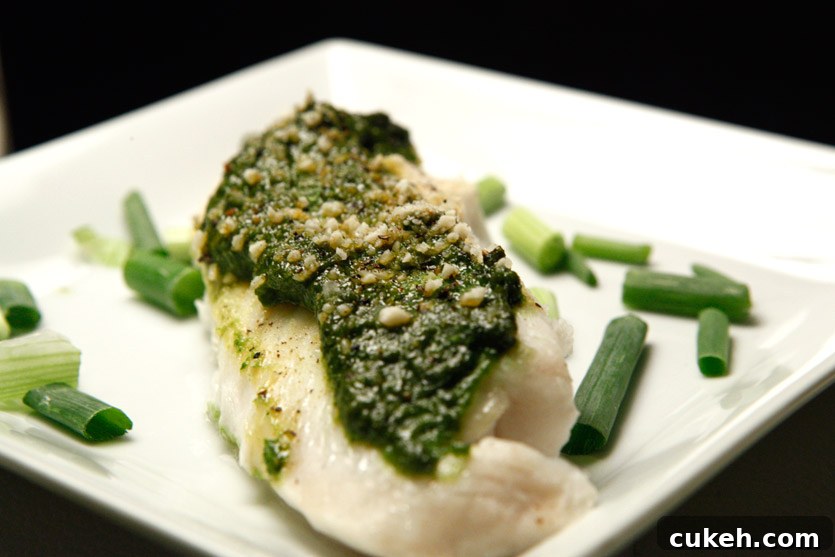
To keep protein interesting, I developed this Pesto Tilapia recipe. Tilapia can be bland on its own, so a few simple additions transform it into a flavorful, comforting dish. It’s quick to prepare, nutritious, and a lovely option for a fast weeknight dinner.
Pesto Tilapia
No reviews
- Author: Mariel Lewis
- Total Time: 20 mins
- Yield: 6 tilapias
Description
This Pesto Tilapia is nourishing, comforting, and full of flavor — a simple recipe worth trying.
Ingredients
- 6 tilapia fillets
- 7 tbsp Paleo pesto
- Almond meal or flour, for sprinkling
- Sea salt and black pepper, to taste
- Coconut oil spray
Instructions
- Preheat the oven to 400°F (200°C).
- Spray a baking dish with coconut oil spray and place the tilapia fillets side by side. Top each fillet with 1 to 1½ tablespoons of pesto, sprinkle almond meal or flour over the top, and season with sea salt and black pepper to taste.
- Bake for about 10 minutes, until the fish is cooked through. Remove from the oven, allow to rest briefly, and serve immediately.
- Prep Time: 10 mins
- Cook Time: 10 mins
- Category: Dinner
- Method: Baking
- Cuisine: American