Beef, glorious beef!
Ingredients
Please note that the following amounts are guidelines and can be adjusted to taste.
1.5 pounds beef stew meat (or a chuck roast to cut into pieces)
18 baby artichokes -OR- 12 large artichokes -OR- two 1-lb packages frozen artichoke hearts
1 large onion
2.5–3 pounds tomatoes (or canned/grated tomatoes)
2 bunches green onions (scallions)
1 bunch fresh dill
1/4–1/3 cup olive oil
Moschari me agkinares (beef with artichokes) is a simple, comforting beef stew that highlights one main vegetable—in this case, artichokes. You can substitute other vegetables such as okra, eggplant, or peas if you prefer. If you use prepackaged stew meat, you can skip the section on trimming and cutting a roast.

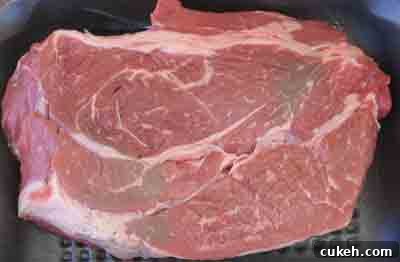
I like to follow Cook’s Illustrated advice and start with a chuck roast, trimming and cutting it into even, stew-sized pieces. Shoulder cuts such as chuck are ideal for long, slow cooking because they contain collagen and marbling that break down into rich flavor and tender texture. More expensive, tender cuts are not suited for extended simmering and can become tough and dry.
Buying a roast and cutting it yourself offers three advantages:
- All pieces come from the same cut and cook uniformly.
- You can trim excess fat thoroughly.
- You can cut larger, more evenly sized pieces than you often find in prepackaged stew meat.
Common U.S. shoulder cuts include blade roast, top blade roast, flat iron, 7-bone roast, chuck roast, chuck eye roast, and center-cut pot roast. Names vary by region and country, so local terminology may differ.
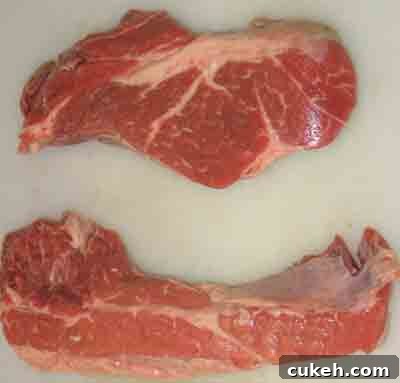
The photo below shows a small chuck roast with a seam of fat and gristle across the center. I split the roast along that seam to expose the major fat deposits so they can be trimmed away before cutting the meat into two-inch pieces. Aim for roughly two-inch chunks; they can be irregular—don’t worry, the stew will be delicious.

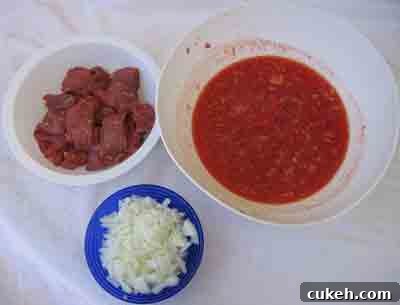
Grate the tomatoes (or use crushed/grated canned tomatoes), coarsely chop the onion, and season the meat generously with salt and pepper.
Heat the olive oil in a Dutch oven or heavy pot over high heat until hot and shimmering. Add the meat in a single layer so each piece can sear properly.
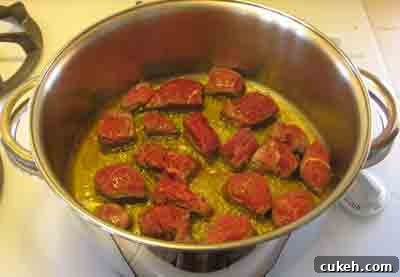
Sear the first side without moving the pieces for about 3–4 minutes until well browned, then turn them. If the meat resists turning, leave it a bit longer—the pieces will release when a good crust has formed.
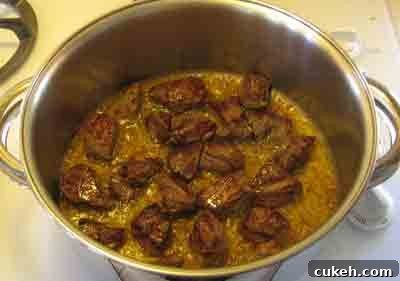
Brown the second side for a few minutes, then add the chopped onion and sauté together for several minutes, stirring frequently, until the onion softens and starts to color.
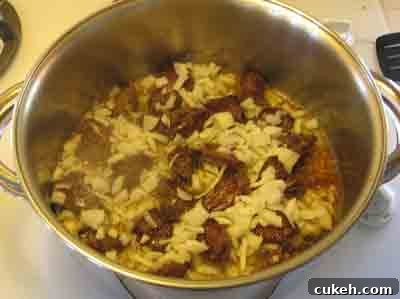
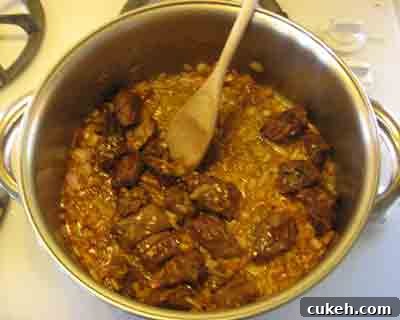
Add the grated tomatoes and stir well, scraping the bottom of the pot to incorporate browned bits into the sauce. If the tomatoes don’t cover the meat, add enough water to submerge it. You want enough liquid for slow cooking without making it soupy—when in doubt, err on the side of a bit more liquid.
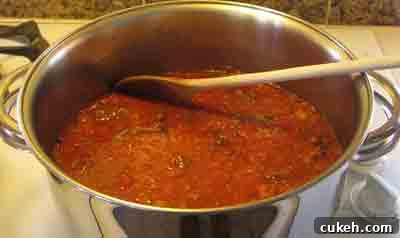
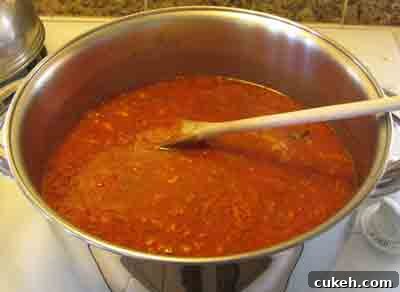
Bring the pot to a boil, then reduce the heat to low, cover, and maintain a gentle simmer for about 1½ hours. While the meat cooks, prepare the artichokes and herbs.
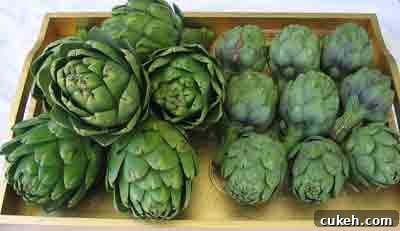
I initially bought baby artichokes and found I needed more, so using two 1-lb packages of frozen artichoke hearts is a convenient alternative. If using fresh artichokes, trim them as needed and immediately place each trimmed artichoke in a bowl of water with a squeeze of lemon to prevent browning.
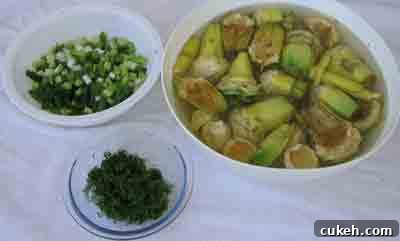
Slice two bunches of green onions and chop a bunch of fresh dill. As you trim artichokes, keep them immersed in lemon water until ready to add to the stew.
After the meat has simmered for about 1½ hours, stir in the artichokes, green onions, and dill. Season with additional salt and pepper to taste. Add a bit more water if needed so the artichokes can cook through; again, a little extra liquid is fine because the flavors are wonderful with bread for soaking.
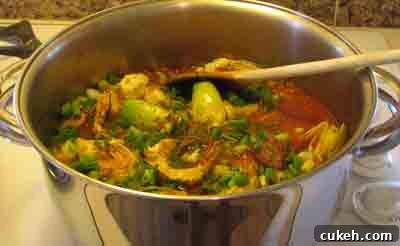
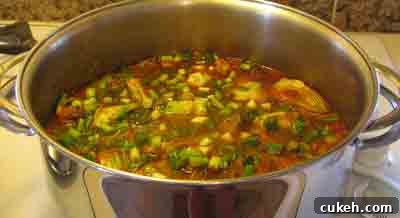
Cover and simmer until the artichokes are tender, about 30–45 minutes. When the artichokes are soft and fragrant, the dish is ready to serve.
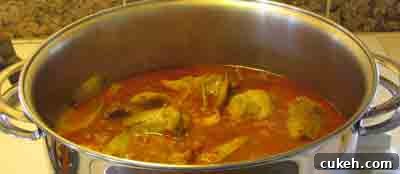
Serve hot with crusty bread or over rice. The braising liquid makes a rich, savory sauce that complements the tender beef and delicate artichokes.
My question for you:
What cut of beef do you recommend for stews like this? What is it called where you are? Please share your experience in the comments.