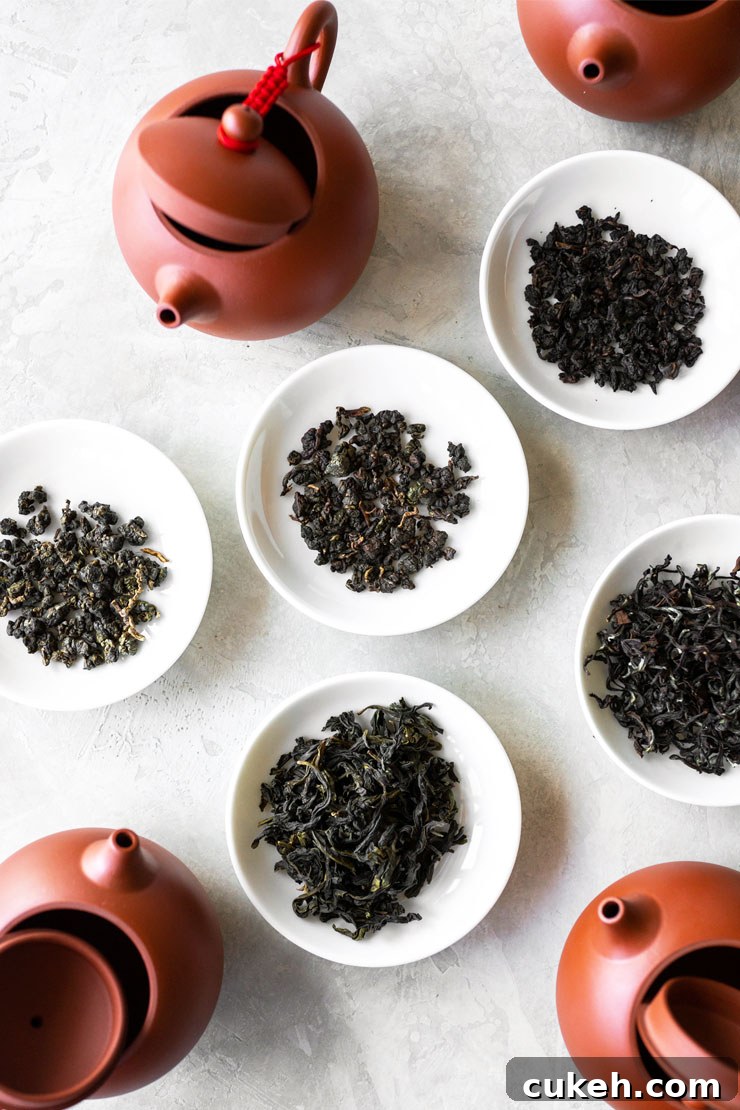
Curious about oolong tea but unsure where to start? Read this step-by-step tasting guide, find beginner-friendly oolongs to try, and learn simple brewing tips.
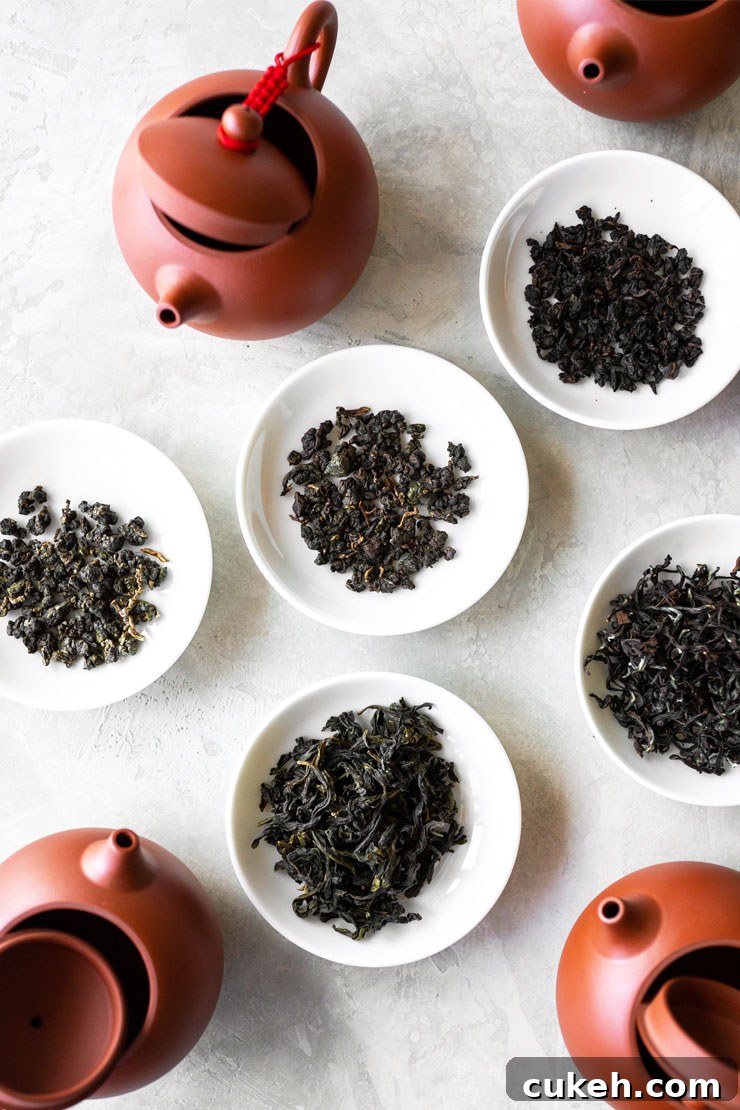
Oolong Tea
Oolong is a tea made from the leaves of the Camellia sinensis plant.
There are six main categories of tea: black, oolong, green, white, puerh, and yellow. The differences come from how the leaves are processed — how they’re rolled, withered, oxidized, and fired — which creates distinct flavors and appearances.
Oolong is a partially oxidized tea, sitting between green and black in processing level. It’s more oxidized than green tea but less than black tea, which gives oolong a wide range of aromas and tastes.
3 Things About Oolong Tea
1. Oolong originated in China.
Oolong’s roots are in China. Tea seeds were later brought to Taiwan centuries ago, where oolong production developed its own styles. Today, some of the most celebrated oolongs come from both China and Taiwan.
2. Oolong covers a broad flavor range.
Oolongs vary from very light and floral to dark and roasted. Growing region, elevation, harvest timing, and processing all influence the final cup, so different oolongs can remind you of green tea, black tea, or something entirely unique.
3. Oolong leaves are often rolled or twisted.
Many oolongs are shaped into tight pellets or long twists. When you see tightly rolled leaves, it’s often an oolong.
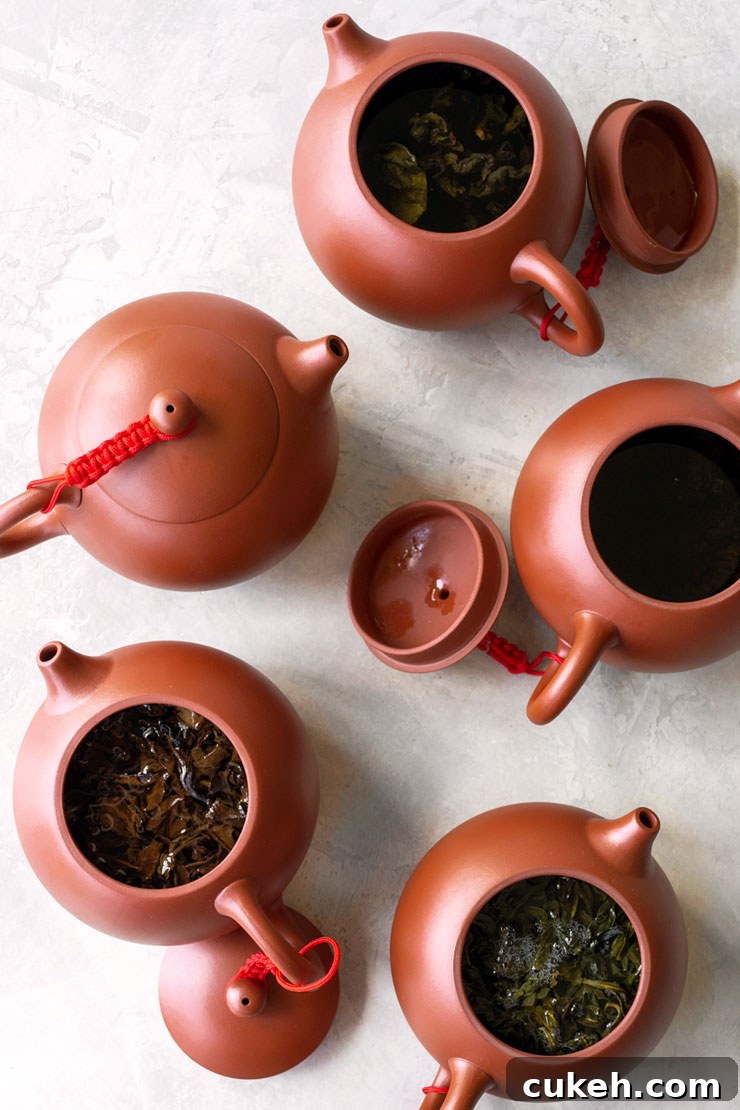
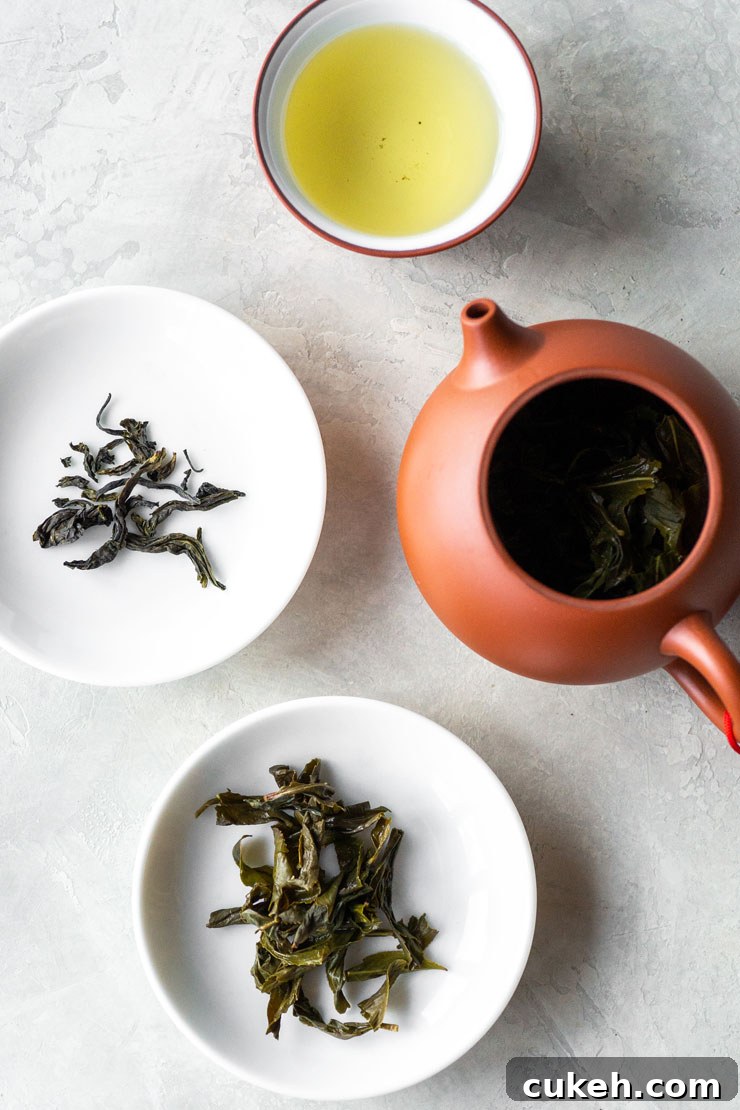
How to Get into Oolong Tea
Here’s a simple approach I learned in a Tea Sommelier program that helps you build familiarity quickly.
- Pick one oolong to drink for a week.
The fastest way to learn a tea is repetition. Drink only one oolong for a full week so your palate becomes familiar with its character. - Use a mug with an infuser to brew.
A mug and infuser is an easy setup for beginners. Follow the brewing steps below to make consistent cups. - After a week, choose a new oolong and repeat.
The aim is to be able to recognize and remember each tea’s flavor as you compare them over time.
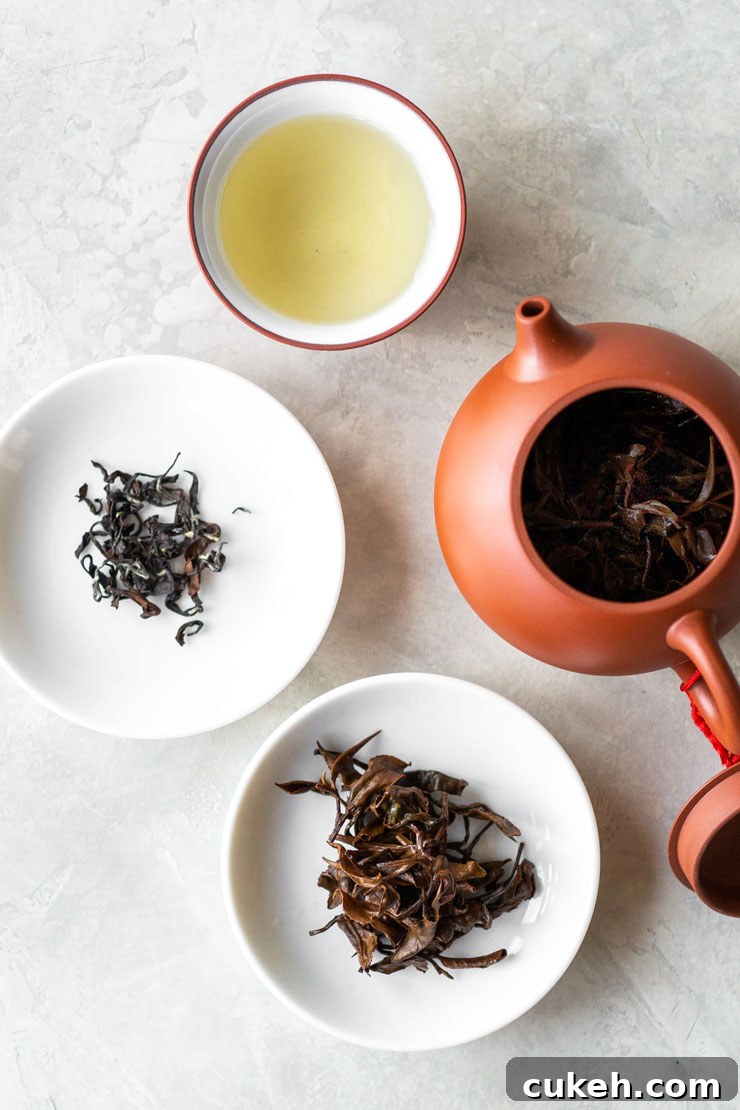
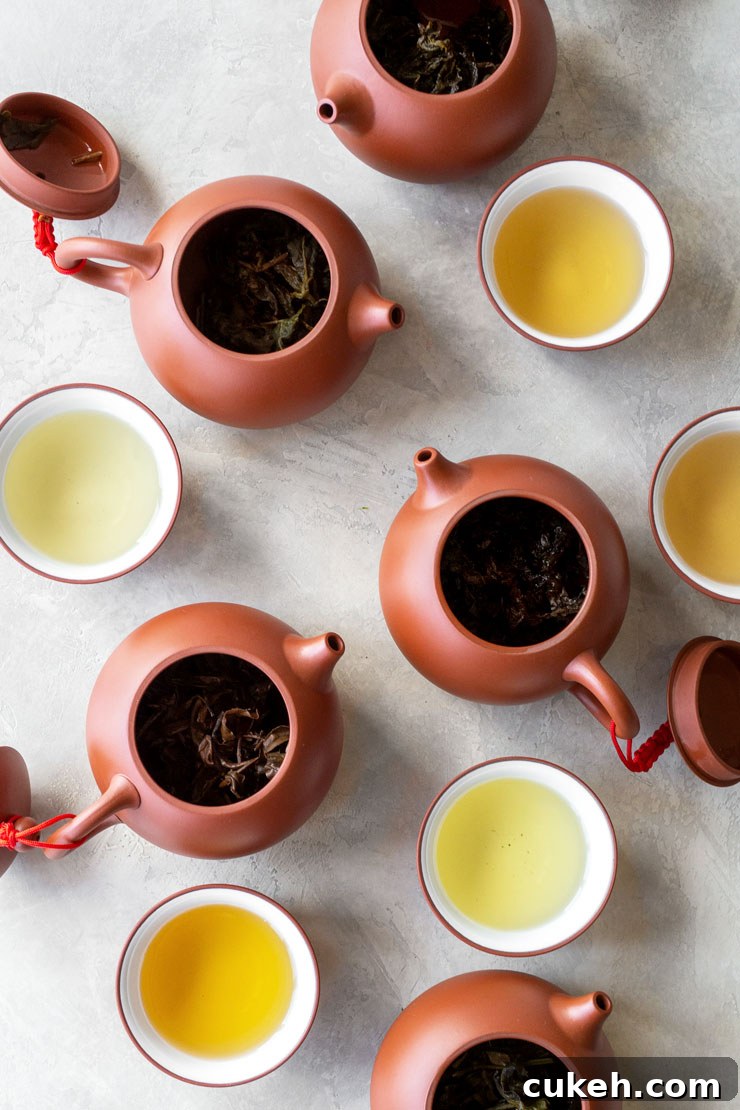
5 Oolong Teas Beginners Should Try
- Iron Goddess of Mercy (Tie Guan Yin)
A classic and approachable introduction to oolong with floral and sweet notes. - Oriental Beauty (Dongfang Meiren / Bai Hao)
A distinctive, fruity, and honeyed oolong that many newcomers enjoy. - Frozen Summit (Dong Ding)
Often roasted for a nutty, toasty profile; a darker Dong Ding can be a comforting, flavorful choice. - Alishan (High Mountain Oolong)
A Taiwanese high-mountain oolong, typically fragrant and smooth thanks to its elevation and climate. - Bao Zhong
A light, delicate oolong with soft floral aromas, gentle on the palate.
What You’ll Need to Make Oolong Tea
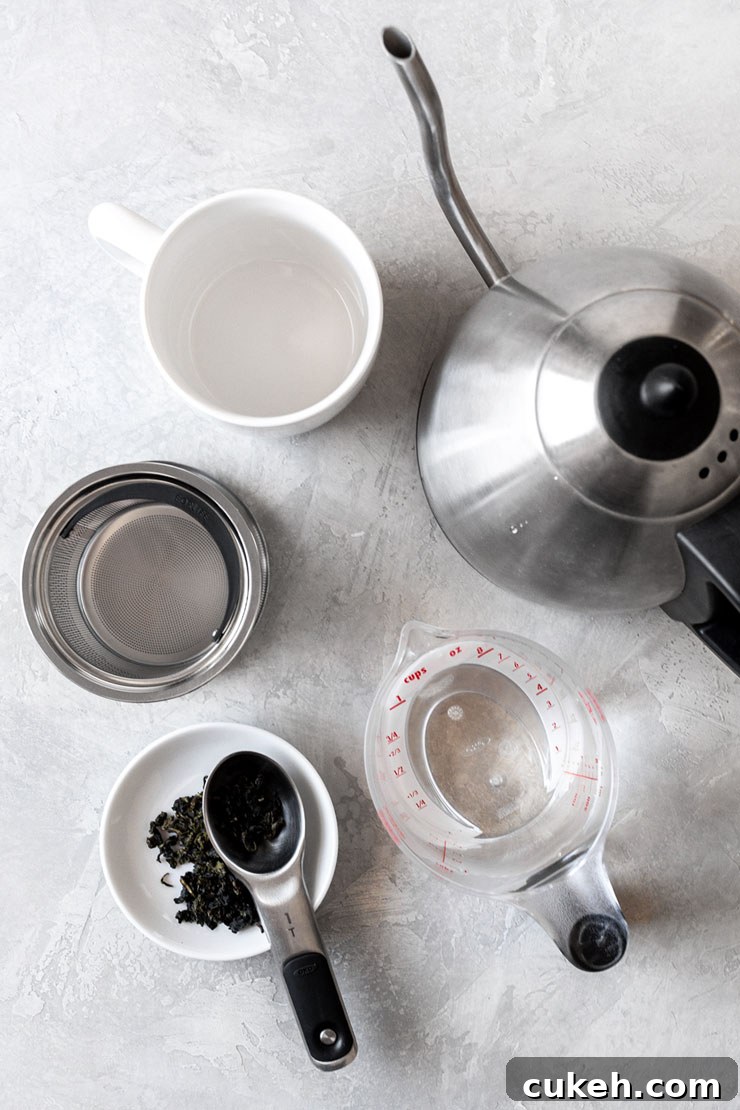
- Loose oolong tea
- Filtered water
- Electric kettle with temperature setting (helpful)
- Mug with an infuser
- Measuring cup and measuring spoon
- Timer — your phone works fine
- Tea scale (optional) — useful for consistency but not essential
How to Make Oolong Tea for a Tasting
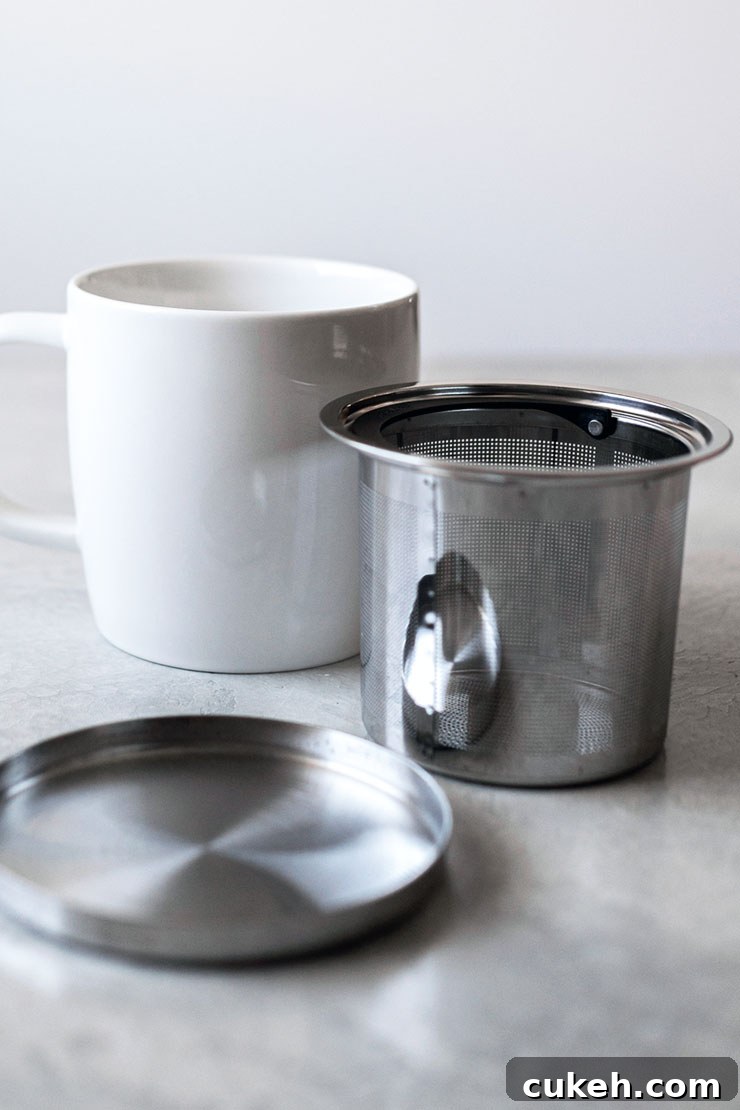
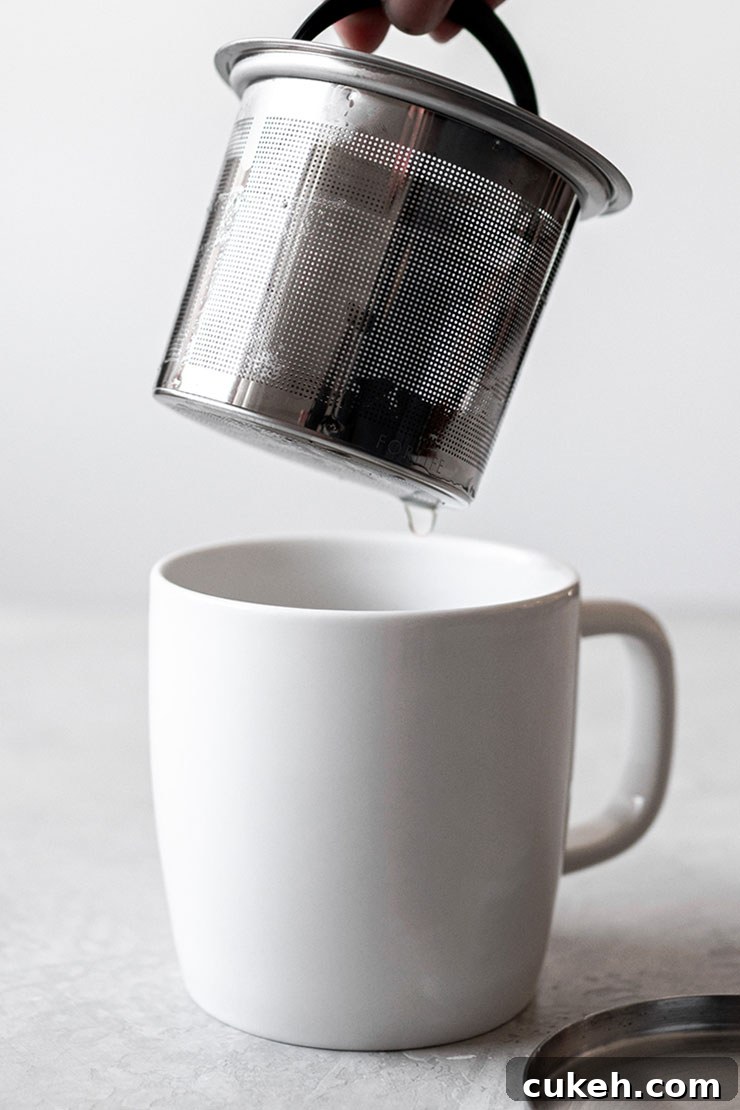
For beginners, brewing in a mug with an infuser is straightforward and lets you practice multiple steeps easily. Choose a mug size that holds about 8 ounces so you can steep one cup at a time.
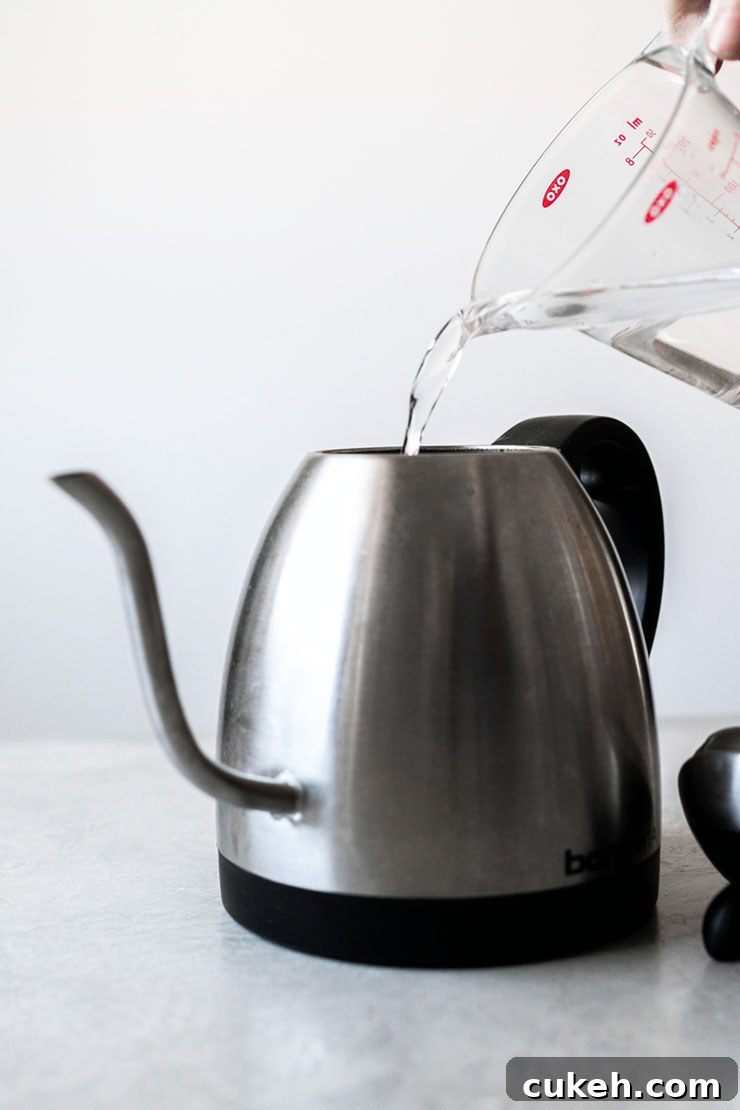
STEP 1: Boil filtered water.
Set your kettle to the recommended temperature for the oolong you’re using — generally between 185°F and 208°F. If you don’t have a temperature kettle, bring water to a boil and let it sit a minute or two to cool slightly.
STEP 2: Warm the mug.
Pour hot water into the mug, swirl, then discard. Warming helps maintain brewing temperature.
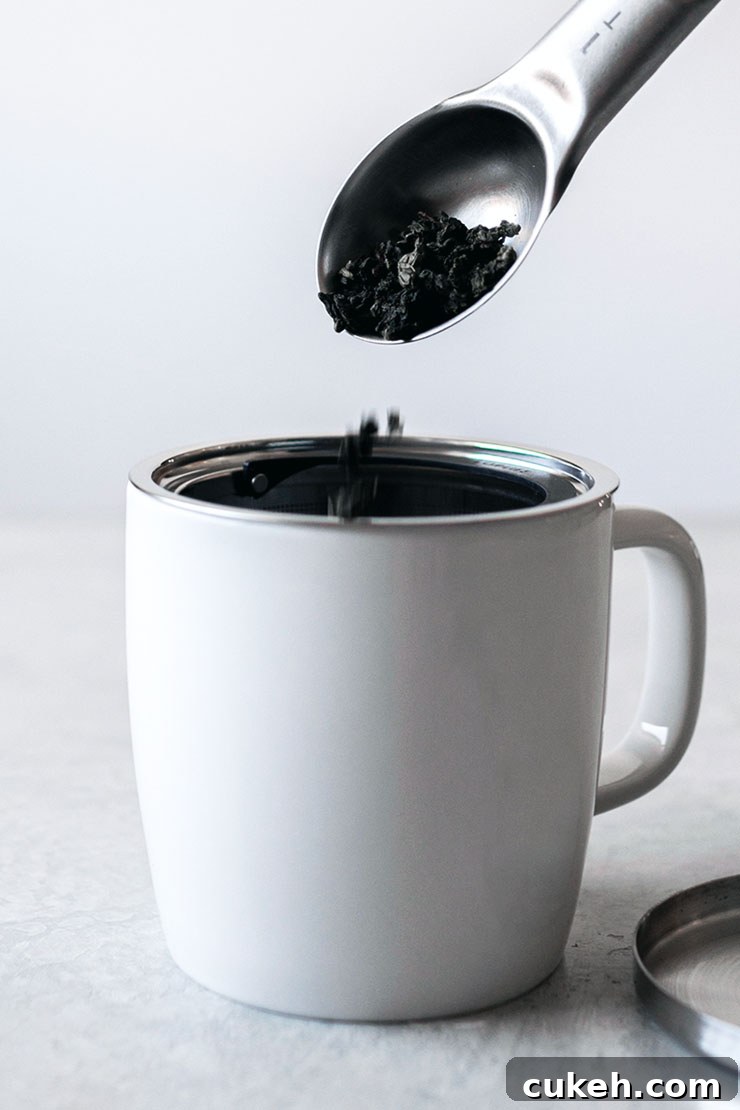
STEP 3: Add tea to the infuser.
Use about 2 teaspoons of loose oolong per 8 oz cup. If you prefer precision, weigh roughly 6 grams on a scale.
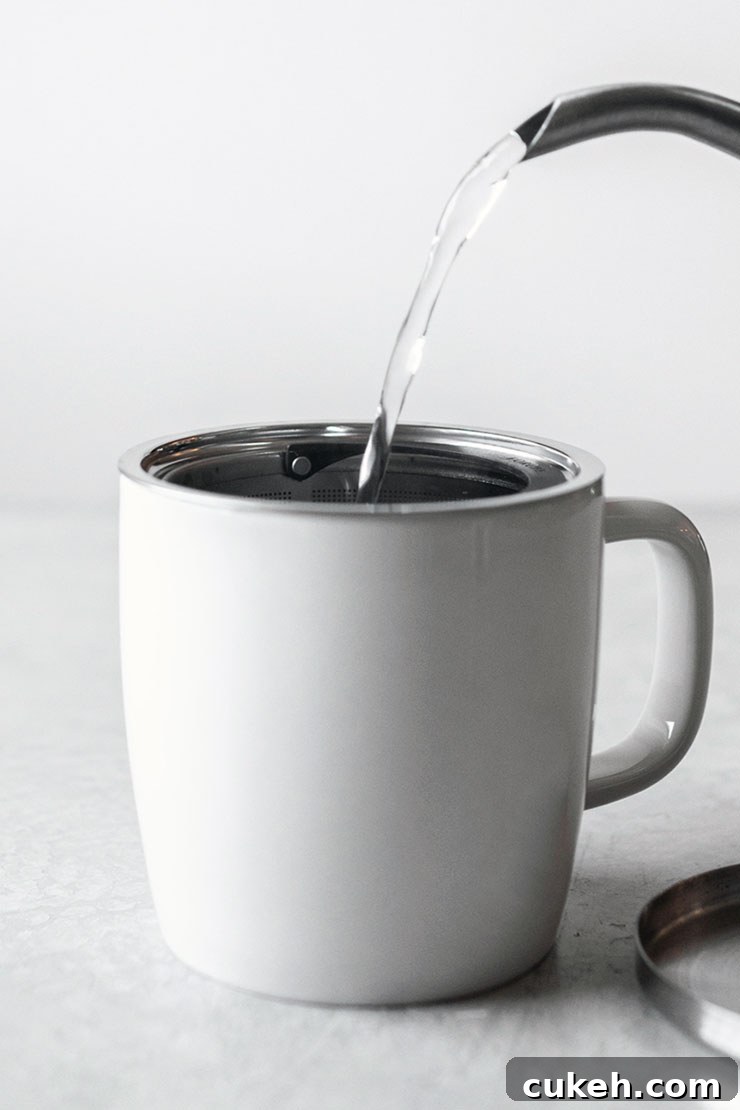
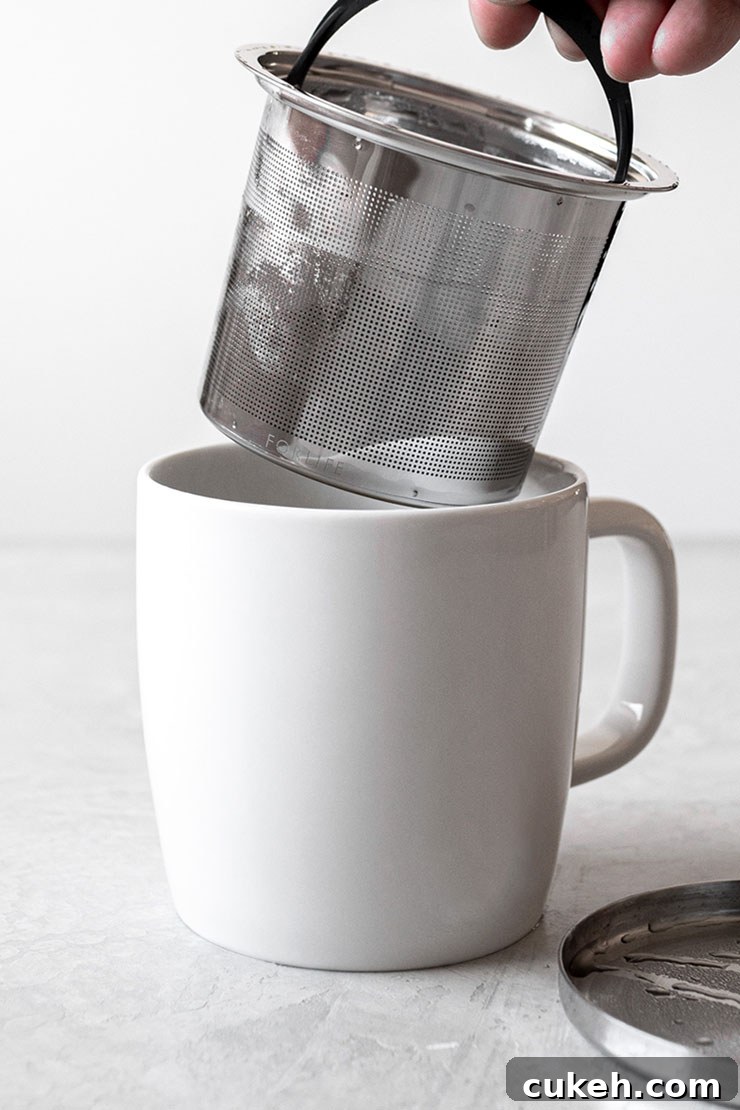
STEP 4: Rinse the leaves for 5 seconds and discard the water.
Pour hot water onto the leaves, let sit for about 5 seconds, then remove the infuser and discard that water. This rinse helps the leaves open and removes any dust.
STEP 5: Add 1 cup (8 oz) of hot water and steep for 45 seconds.
Cover the mug while steeping. Short initial steeps preserve delicate flavors and set you up for successful multiple infusions.
STEP 6: Remove the infuser and drink.
Remove the leaves promptly to avoid oversteeping. Keep the infuser nearby for the next steep.
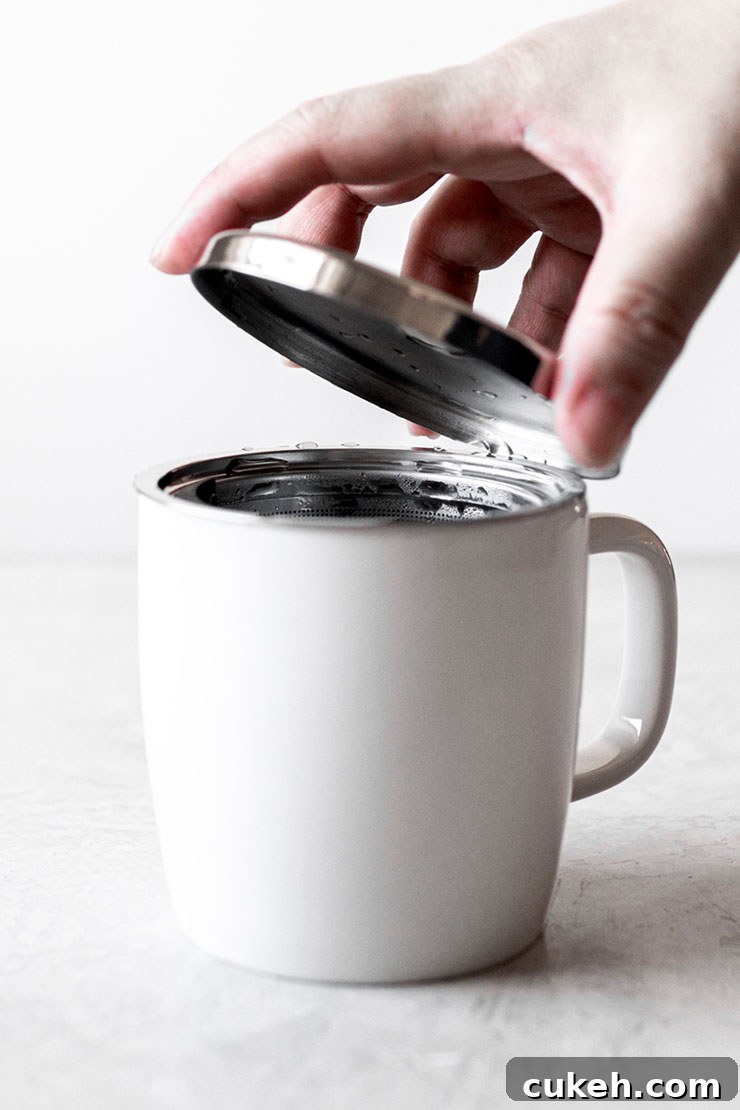
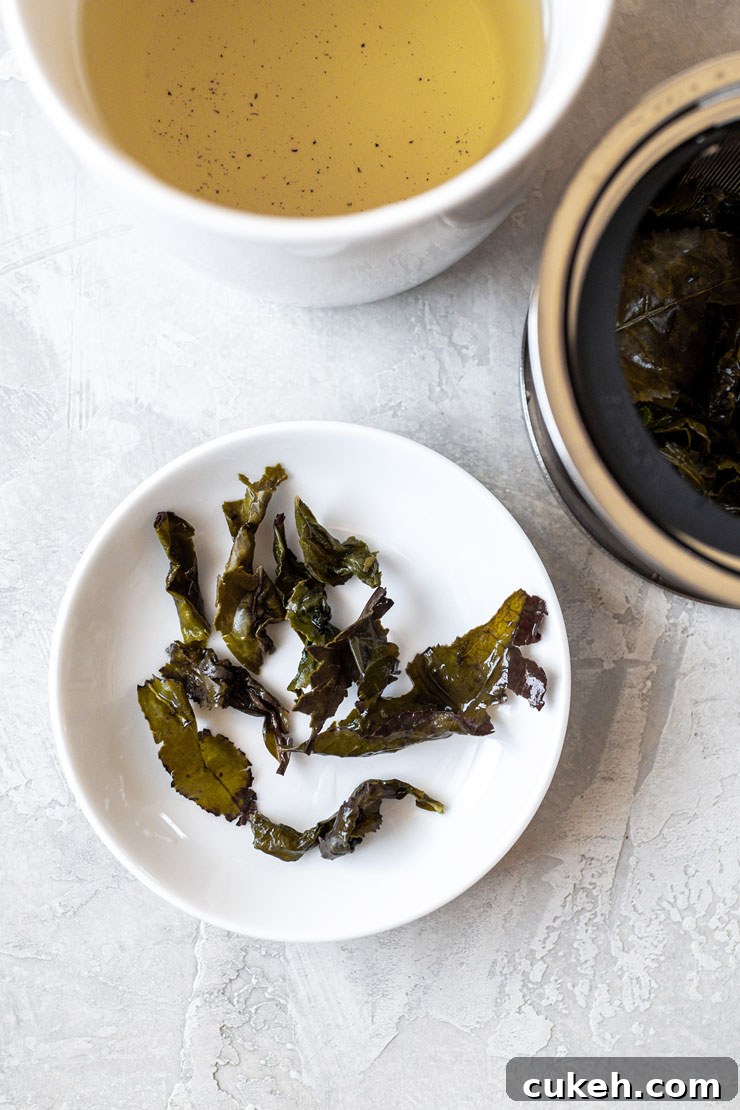
STEP 7: Re-steep for 1 minute and 15 seconds.
After finishing the first cup, return the infuser to the mug and add fresh hot water. Increase the steep time by about 30 seconds for the second infusion. Quality oolongs usually yield two to four pleasant steeps.
Tea Sommelier’s Tip: Flavors evolve with each steep — notes that weren’t apparent in the first cup often emerge later.
Optional STEP 8: Continue steeping, adding about 30 seconds to each subsequent infusion, until the tea loses flavor.
Oolong Tea Tips
- Loose-leaf tea quality varies and prices can increase quickly. Start with affordable options to explore styles.
- Avoid flavored oolongs when you’re learning; stick to pure, unflavored leaves to understand the tea’s natural character.
- A small mug with an infuser is a practical, beginner-friendly brewing method before trying specialized teapots.
Questions You May Have
Oolong flavors vary widely. Some are floral and fruity, others are sweet or honeyed, and some have roasted, nutty notes. Try different styles to find what you enjoy.
Yes. Oolong contains caffeine — typically less than coffee but more than many herbal infusions.
Generally, oolong is enjoyed plain to appreciate its subtle flavors. You can add milk or sweetener if you prefer, but try it first without additions.
Yes. Loose leaf usually offers the best quality and flavor, followed by tea sachets. Traditional tea bags often contain smaller, lower-quality particles. For tasting and learning, loose leaf is recommended.
Loose tea is sold by weight (ounces or grams). Small starter amounts — a couple of ounces — let you sample different teas without committing to large quantities.
Related
- How to Make Oolong Tea in a Clay Teapot
- Oolong Tea Pairing
- Want to Get Into Green Tea? Start Here.
- Where to Buy Tea Online
- Difference Between Loose Tea, Tea Sachets, and Tea Bags
How to Brew Oolong Tea Properly
Equipment
- Electric Kettle
- Mug with Infuser
- Water Filter
Ingredients
- 2 – 4 cups filtered water
- 2 teaspoons loose oolong tea (about 6 g if using a scale)
Instructions
- Boil filtered water. Oolong brews well between 185°F and 208°F. If your packaging lists a temperature, follow that setting.
- Warm the mug. Pour hot water in, swirl, and discard to keep brew temperature steady.
- Add tea to the infuser. Use 2 teaspoons or approximately 6 grams.
- Rinse: add hot water and steep 5 seconds, then discard. This wakes the leaves and removes any surface dust.
- Steep with fresh water for 45 seconds. Use one cup (8 oz) of hot water and cover while steeping.
- Remove the infuser and enjoy.
- Re-steep for 1 minute 15 seconds. Return the infuser to the mug, add hot water, steep, then remove and drink.
- Optional: Continue re-steeping, adding about 30 seconds to each steep, until flavor diminishes.
Nutrition information is approximate.
Share your cup and tag @ohhowcivilized or use #ohhowcivilized