Food should comfort and delight you — not dampen your mood. One playful way to enjoy eating is to seek out naturally blue foods, whether fruits, vegetables, spices, or even an unusual blue-fleshed fish.
Table of Contents
What fruits, vegetables, raw meats, or spices are naturally blue?
Blue foods do exist: from familiar blueberries and elderberries to blue tomatoes, Adirondack blue potatoes, and even blue turmeric or fenugreek in the spice rack. The most striking example of blue raw meat is lingcod, a fish that sometimes has brilliantly blue flesh.
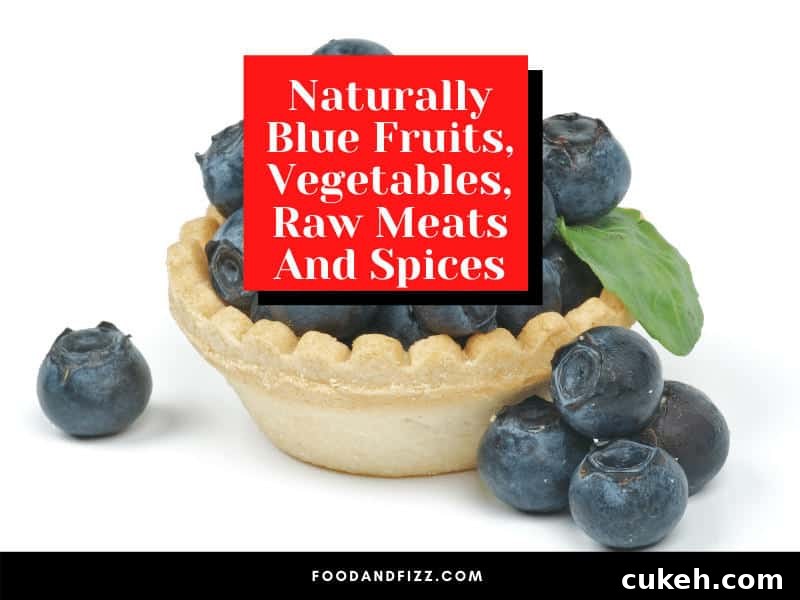
Naturally blue fruits, vegetables, raw meats, and spices
The blue shade in many fruits and vegetables comes from polyphenols called anthocyanins. These pigments produce blue, purple, and red hues and are linked to antioxidant benefits.
Blue fruit
When people picture blue food, berries usually come first. Several fruits show blue or purplish tones thanks to anthocyanins.
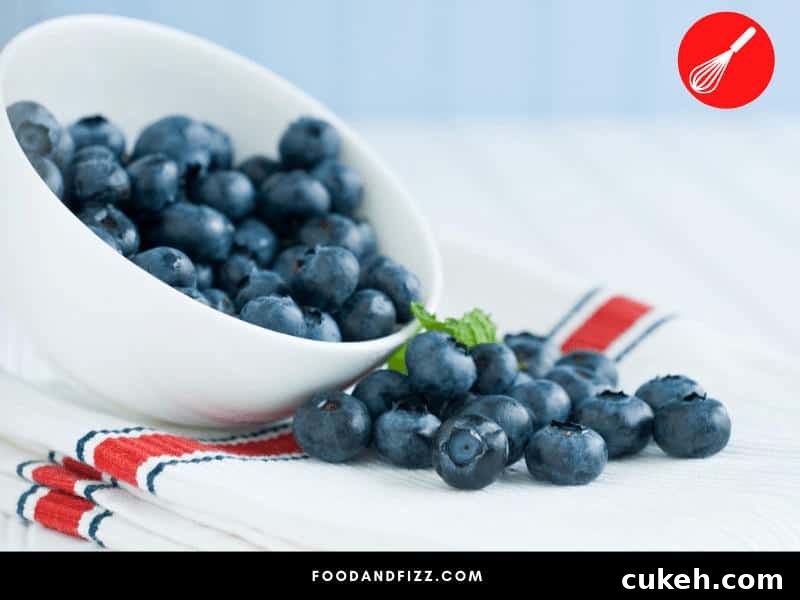
Blueberries
Blueberries range from deep blue to purplish blue when cooked. They are available in multiple varieties and are versatile in sweet and savory dishes. Nutritionally, they are rich in antioxidants and have been associated with heart health, blood sugar regulation, eye health, and potential gut benefits.
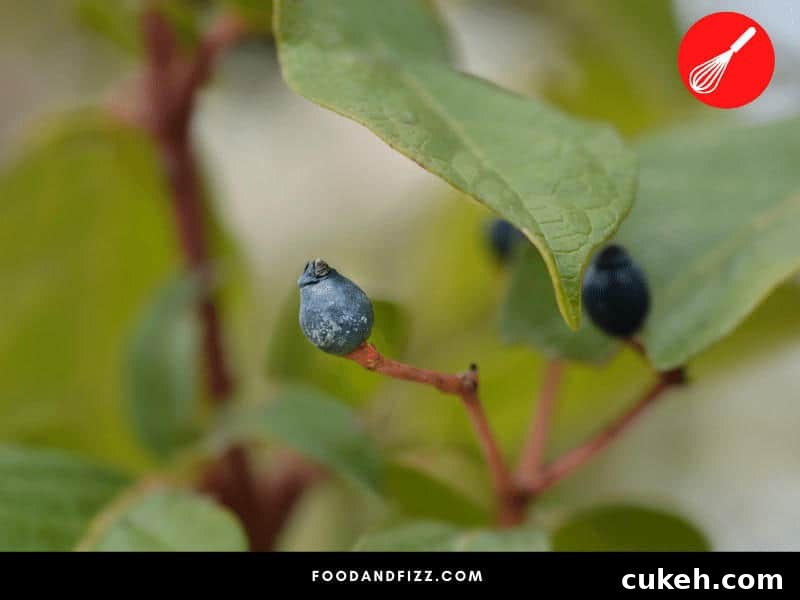
Laurestine
Laurestine produces small, dark blue berries that grow in clusters on short stalks. They are prized for their ornamental look and have traditional uses, such as remedies for constipation.
Kastoree mango
The Kastoree, sometimes called the “blue mango,” is a small mango variety with purplish-blue skin while its flesh remains the familiar orange. It tends to be juicier and more intensely flavored than many common mango varieties.
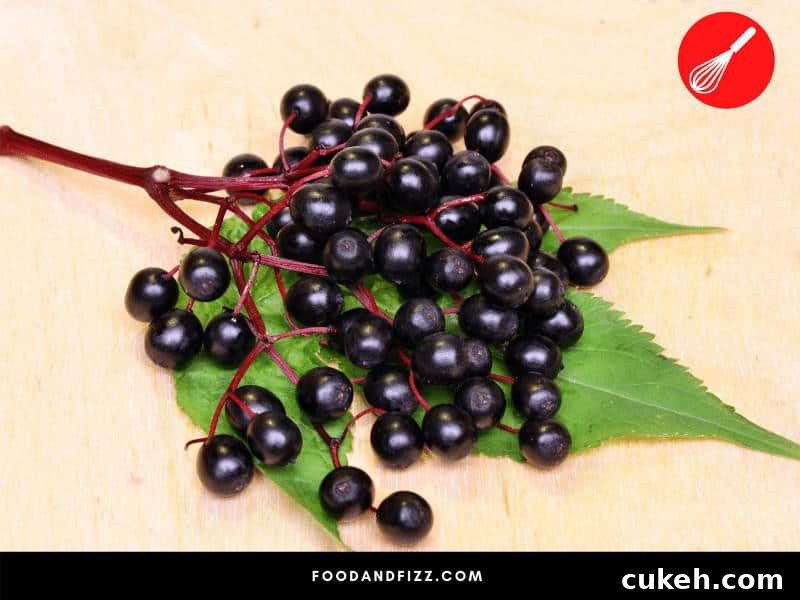
Elderberries
Elderberries are tiny, dark purplish-blue berries that are tart when raw but become pleasant in jams, pies, and cordials. They are high in antioxidants and vitamins, and have traditional uses for supporting the immune system and managing inflammation.
Blue sausage fruit
Blue sausage fruit refers to the seed pods of the Blue Sausage Shrub. These striking pods are mainly ornamental and are not commonly used as food.
Blue vegetables
Blue vegetables are less common than berries, but several varieties display blue or bluish-gray skins and sometimes blue flesh.
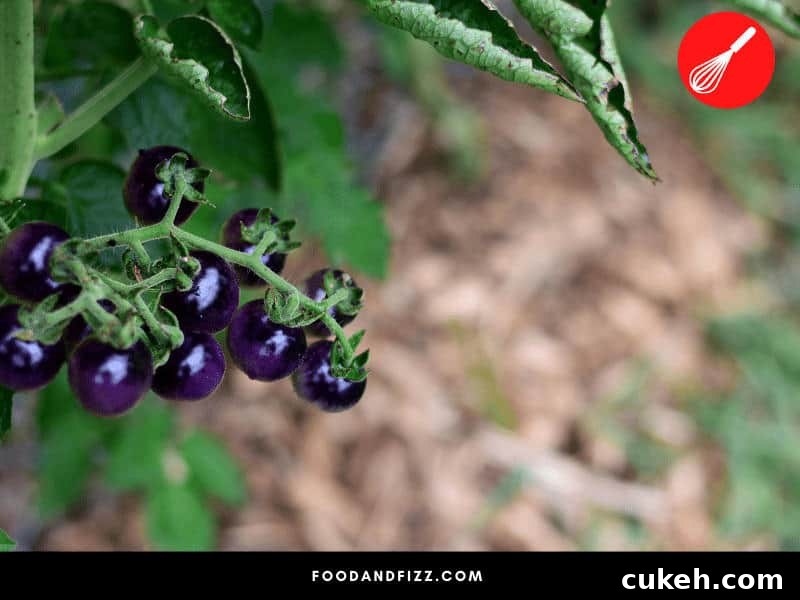
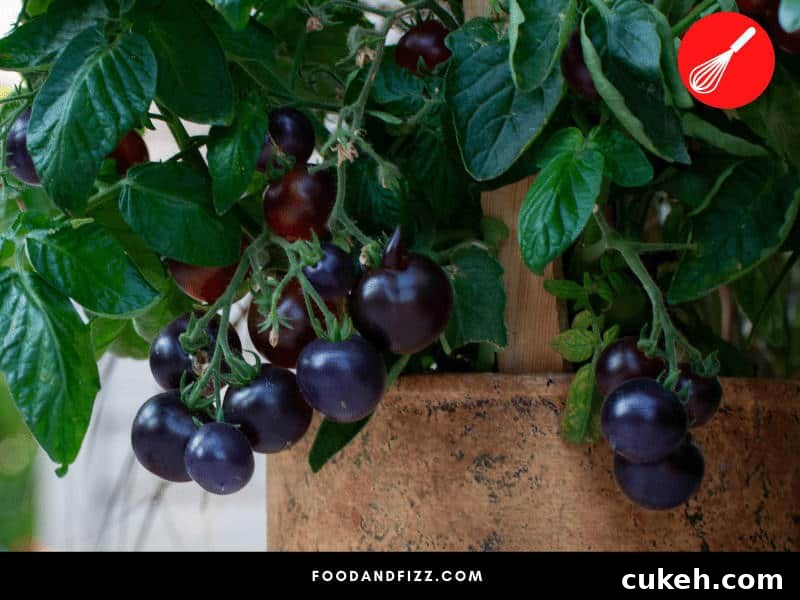
Blue tomatoes
Blue tomatoes have been bred to produce higher anthocyanin levels, giving them a blue tint while retaining the familiar tomato flavor. The pigment does not change the basic taste — they still taste like tomatoes.
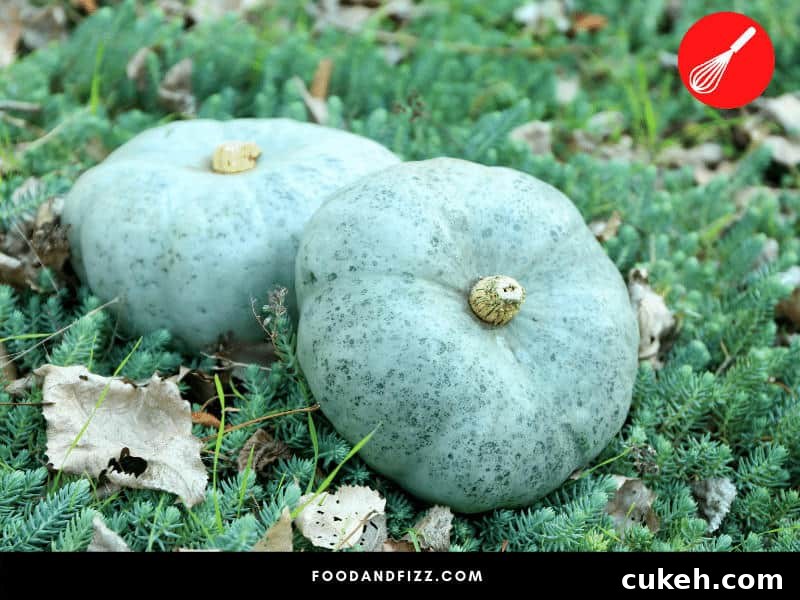
Blue Jarrahdale Pumpkin
The Blue Jarrahdale is a pumpkin with a blue-gray rind and bright orange flesh. Its distinctive color makes it popular for decoration as well as cooking; it stores well and can grow very large, making it a seasonal favorite.
Adirondack blue potato
Adirondack Blue potatoes have smooth, blue-purple skin and vividly colored flesh. They retain their hue after cooking and are rich in antioxidants and anthocyanins, suitable for boiling, roasting, or frying.
Filius blue pepper
The Filius blue pepper stands out among ornamental peppers for its dark blue exterior and deep indigo interior. It can be quite spicy and also adds striking color to dishes.
Nonna Agnes blue beans
Nonna Agnes blue beans range from bright to grey-blue, with the most vivid tones on the plant or soon after harvest. They can be eaten fresh like snap peas, cooked for color contrast in meals, or dried for storage.
Blue raw meat
Blue meat is rare and can seem off-putting, but one well-documented example is a blue-fleshed fish.
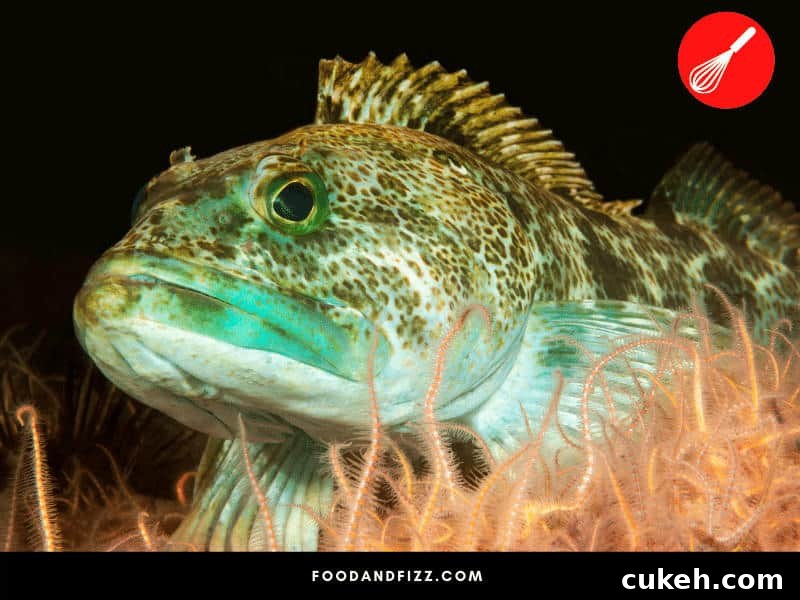
Lingcod
Lingcod is known for occasionally having bright blue flesh — roughly 20 percent of individuals show this coloring. The blue pigment is biliverdin, a bile pigment. Blue lingcod is safe to eat and some anglers report that it tastes richer than non-blue specimens.
Blue spices
Blue-toned spices are uncommon but memorable for both their appearance and flavour contributions.
Blue turmeric
Blue turmeric is a variety whose rhizome has blue flesh instead of the usual yellow-orange. When ground, it lends an earthy, slightly bitter note to dishes and can vary from bright blue to deep indigo in color.
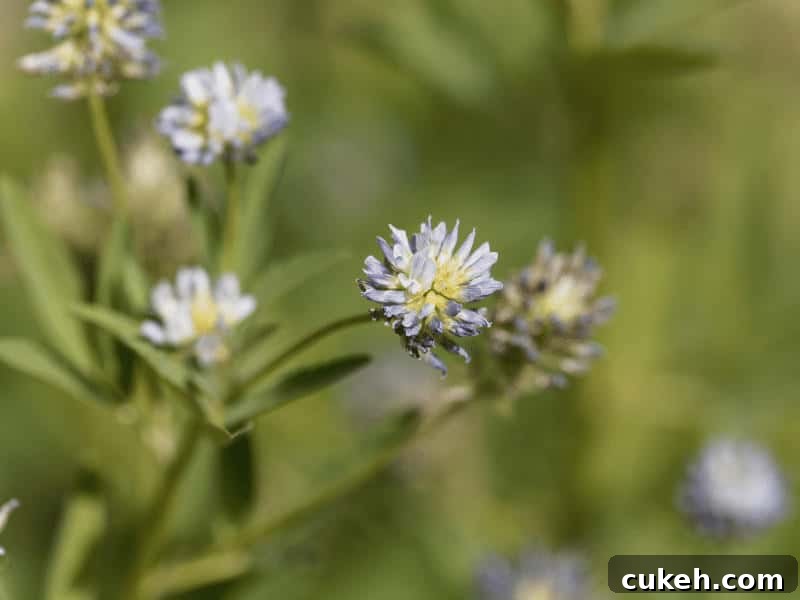
Blue fenugreek
Blue fenugreek refers to the plant used to make a spice with a mildly bitter, tangy profile. Its seeds, pods, and leaves are used in regional spice blends — notably in Georgian cuisine and for flavouring alpine cheeses.
Frequently Asked Questions On What Fruits, Vegetables, Raw Meats, or Spices are Naturally Blue
How unusual is it to find a blue lingcod?
Blue lingcod occur in about one out of five fish. They are uncommon but not exceptionally rare, and lingcod overall are a frequently caught eating fish.
Do blue tomatoes taste different?
The blue color in blue tomatoes comes from anthocyanins, which are tasteless pigments. As a result, blue tomatoes retain the typical tomato flavor.
Conclusion On What Fruits, Vegetables, Raw Meats, or Spices are Naturally Blue
True blue foods are relatively rare beyond certain berries, but they do exist across fruits, vegetables, spices, and even fish. Seeking them out adds visual interest to meals and can also introduce beneficial pigments like anthocyanins into your diet.