
There are a handful of pantry staples that quietly earn a place in our hearts and everyday cooking — cottage cheese is one of them. A fresh curd cheese made from drained cow’s milk, cottage cheese is known for its loose curds, mild tang, and versatile uses in both savory and sweet dishes.
But sometimes your container is empty or a recipe calls for a slightly different flavor or texture. When that happens, it helps to know good substitutes that deliver similar creaminess, tang, or protein without compromising the dish.
Below are five well-rounded substitutes for cottage cheese, each chosen for flavor, texture, and how easily they swap into common recipes.

Key Takeaways:
- Cottage cheese is a flexible ingredient and can be replaced by other creamy, slightly tangy dairy options depending on the recipe.
- Ricotta, fromage blanc, Greek yogurt, Parmesan, and quark are five practical substitutes that cover a range of textures and flavors.
- Most of these swaps can be used 1:1 in recipes that call for cottage cheese, while Parmesan is best used sparingly to add umami and depth.
5 Best Substitutes for Cottage Cheese
1 – Ricotta Cheese
Ricotta is a classic Italian fresh cheese made from whey (cow, sheep, or goat). It has a creamy, slightly sweet flavor and a fine, granular curd that resembles cottage cheese but is usually smoother and less lumpy. Ricotta works especially well in lasagna, stuffed pastas, dips, and many baked dishes. In most recipes you can substitute ricotta for cottage cheese at a 1:1 ratio for similar creaminess and binding properties.
2 – Fromage Blanc
Fromage blanc is a soft, spreadable French cheese with a velvety texture and a gentle tang. It’s smoother and more uniform than cottage cheese, which makes it ideal when you want a creamy, cohesive texture — for example, in dressings, desserts, or as a spread. Fromage blanc typically swaps in at a 1:1 ratio.
3 – Greek Yogurt
Greek yogurt is thick and creamy because it’s been strained to remove most whey. It adds a pleasant tang and boosts protein, making it a healthier option in many preparations. While it lacks cottage cheese’s curds, Greek yogurt works wonderfully in pancakes, dips, sauces, and baked goods. Use it 1:1 for most recipes, and consider thinning slightly with milk if you need a looser consistency.
4 – Parmesan Cheese
Parmesan may seem like an unusual substitute, but it shines when you need concentrated savory flavor rather than bulk or curds. A light sprinkle of finely grated Parmesan can enhance casseroles, gratins, quiches, or pasta dishes where cottage cheese would provide tang and creaminess but the recipe does not require volume. Use Parmesan sparingly to add umami and saltiness rather than as a straight volume-for-volume swap.
5 – Quark Cheese
Quark is a soft, fresh cheese common in German and Eastern European cooking. It’s made by heating soured milk until curds form, then gently straining; the result is mild, slightly tangy, and smooth with a texture similar to a cross between yogurt and cottage cheese. Quark is a terrific 1:1 swap in dips, spreads, pancakes, and protein-rich baked goods.
Frequently Asked Questions
Cottage cheese is valued for its curds, mild flavor, and creamy mouthfeel. When you don’t have it on hand or want a different texture or flavor profile — smoother, tangier, or richer — the substitutes above can deliver what you need while keeping the dish balanced.
Ricotta is generally creamier and smoother with finer curds compared to cottage cheese’s more distinct curds. Use ricotta when you want less lumpiness and a silkier finish in both savory and sweet dishes.
Yes. Greek yogurt is high in protein, thick, and tangy. It’s an excellent healthier stand-in for cottage cheese in many recipes, though it won’t provide the curd texture.
Choose Parmesan when you want to boost flavor and umami rather than replace bulk. It’s best as a finishing ingredient or a small addition in baked dishes, salads, or pasta where excess moisture or curds are not desired.
Cottage Cheese Substitutes Recipe
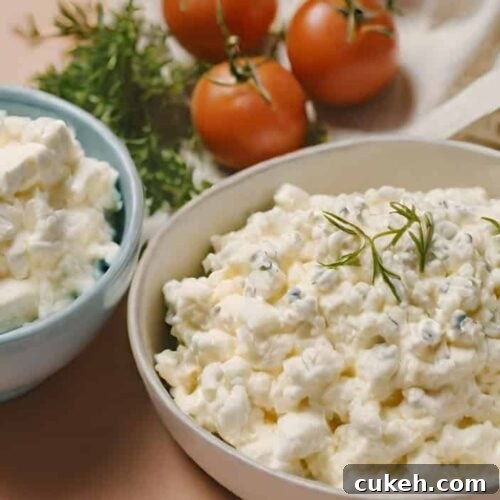
A simple, versatile recipe that uses any of the five substitutes listed above: ricotta, fromage blanc, Greek yogurt, Parmesan, or quark. Swap in the one that best fits your flavor and texture goals.
Prep Time: 10 mins | Cook Time: 10 mins | Servings: 4
Course: Main Course, Side Dish | Cuisine: American, French, Italian
Equipment
- Mixing bowls
- Measuring cups and spoons
- Non-stick pan or skillet
- Whisk or fork
Ingredients
- 4 cups of chosen substitute (ricotta, fromage blanc, Greek yogurt, Parmesan, or quark)
- 1 tablespoon olive oil
- 1 onion, finely chopped
- 2 cloves garlic, minced
- 2 cups protein of your choice (chicken, beef, tofu)
- Salt and pepper to taste
Instructions
- In a mixing bowl, whisk together the chosen substitute and set aside.
- Heat olive oil in a non-stick pan over medium heat.
- Add chopped onion and minced garlic; sauté until softened.
- Add your choice of protein and cook until done.
- Pour in the prepared substitute mixture and stir gently until combined.
- Cook 5–7 minutes until heated through and slightly thickened.
- Season with salt and pepper to taste and serve with rice, pasta, or vegetables.
Notes
- Adjust the amount of substitute to reach your desired consistency — less for thicker, more for thinner.
- Add herbs, spices, or vegetables to customize the flavor.
Explore these substitutes to refresh familiar recipes or to experiment with new textures and international flavors. Each option brings something different — from ricotta’s silkiness to Parmesan’s bold umami — so choose based on the role cottage cheese plays in your dish.