If you can’t imagine life without meat, the world offers an astonishing variety of flavors to explore. From simple home-cooked meals to elaborate regional specialties, meat has shaped cuisines and traditions across cultures. Combined with marinades, herbs, and sauces, each preparation releases aromas and textures that make these dishes irresistible.
For millennia, humans have hunted and later domesticated animals for their meat. Cultures around the globe adopted different animals based on availability and custom, with cows, pigs, and chickens becoming the most widespread sources today. These species were favored not only for their meat but also because they adapted well to domestication, making them a stable food supply for growing societies.
Despite ongoing debates about meat consumption, it remains a staple in many diets. Meat features on dinner tables worldwide and is often central to festive meals. If you want to learn authentic recipes, many food websites and video creators share traditional techniques from the countries that origin these dishes. If travel isn’t possible, local restaurants often recreate regional specialties, letting you taste distant cuisines closer to home.
Unique Meat Dishes
Unusual Meat Dishes from Around the World
Every region has its unique way of preparing meat. While traveling to remote destinations is the most immersive way to experience them, you can also find excellent versions in specialty restaurants or recreate recipes in your kitchen. Below are some notable meat dishes that capture the essence of their homelands and are worth trying—either in their country of origin or prepared at home.
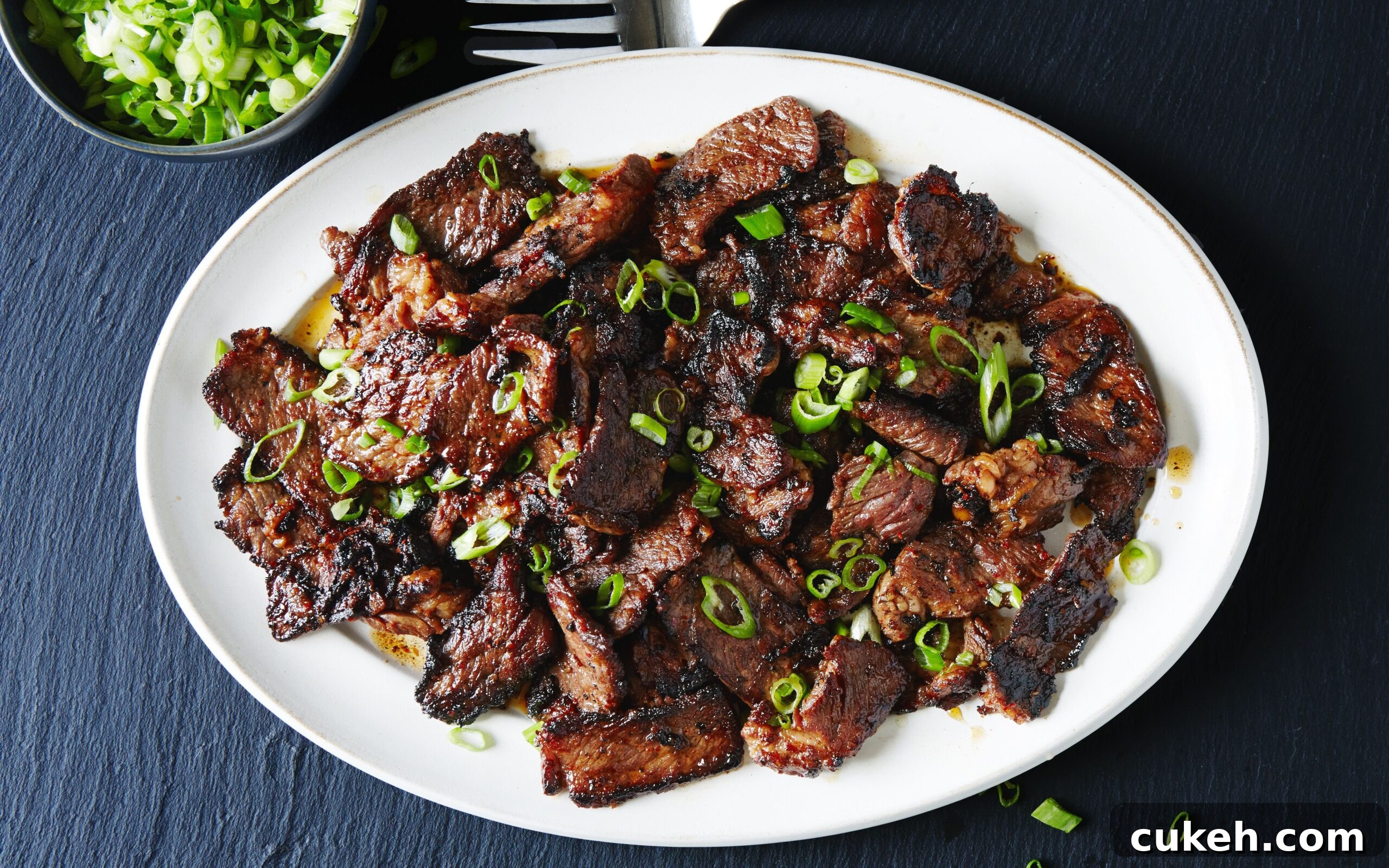
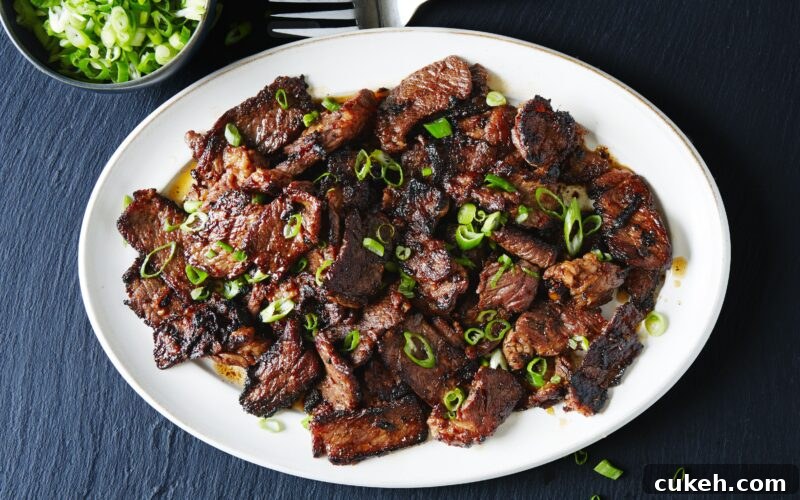
Bulgogi, Korea
Bulgogi is one of Korea’s most celebrated dishes: thinly sliced beef marinated in a savory-sweet sauce and grilled or pan-seared until caramelized. While traditionally cooked over charcoal, you can achieve excellent results at home using a cast-iron skillet or grill pan. The marinade—typically a blend of soy sauce, sugar, garlic, sesame oil, and pear or apple—tenderizes the meat and creates a deep, memorable flavor. Bulgogi is perfect for sharing and pairs wonderfully with rice, lettuce wraps, and kimchi. Tasting it in Korea, however, offers an extra layer of authenticity you’ll likely remember.
Unique Meat Dishes
Sánguche con Chicharrón, Peru
Peru’s crowded food stalls and coastal towns serve a variety of bold flavors, and sánguche con chicharrón is a beloved street-food sandwich that combines slow-cooked pork with fried sweet potato and pickled red onions. The pork—often shoulder—is simmered until tender, then crisped before assembly, offering a satisfying contrast of textures. A spicy or tangy sauce lifts the sandwich, making it distinctly Peruvian. Recreating this at home can yield excellent results, but enjoying it in Peru brings the full sensory experience of smoke, heat, and local ambiance.
Ayam Goreng, Indonesia
Ayam goreng refers to Indonesian fried or grilled chicken that is marinated in a fragrant mix of local spices. Typical aromatics include lemongrass, galangal, turmeric, garlic, and shallots, which infuse the chicken with earthy, bright, and slightly citrusy notes. Variations exist across the archipelago, and cooks will adapt the spice blend to local tastes and ingredients. While substitutions can be made if you lack specific spices, the traditional versions from Indonesia have a depth of flavor that is hard to replicate fully outside the region.
Unique Meat Dishes
Sisig, Philippines
Sisig is a Filipino favorite that showcases resourceful, bold-flavored cooking. Traditionally made from parts of the pig’s head and liver, the meat is boiled, grilled, and then chopped and sautéed with onions, vinegar, and seasonings. The final dish is often served on a sizzling plate and sometimes topped with a raw egg that cooks into the hot mixture, adding richness and silkiness. Sisig’s combination of tangy, salty, and slightly charred flavors makes it an addictive dish for lovers of grilled pork and vibrant seasoning.
Exploring global meat dishes can broaden your palate and inspire new cooking techniques. Whether you travel to taste these specialties in their cultural settings or recreate them at home, each dish tells a story of local ingredients, history, and culinary creativity. Start with one recipe, learn its key flavors, and gradually build a repertoire of international dishes to enjoy and share.