 Welcome! I’m Kathy Hester, the creator of Healthy Slow Cooking and author of The Vegan Slow Cooker and Vegan Slow Cooking for Two. I get a lot of questions about slow cookers—what to buy, which features matter, and how to choose the right size and style. Below I’ll walk you through the key points to consider so you can pick a slow cooker that fits your needs.
The variety of brands, sizes, and styles can be overwhelming. Before you shop, answer a few simple questions about how you plan to use the slow cooker so you don’t end up disappointed. If anything here leaves you with a question, you can reach me via my contact form.

My Favorite Slow Cookers
If you want a quick recommendation, here are five slow cookers I use and trust. I list the specifics in the full text below, but these are the ones I keep on my counter and recommend most often.
The Cuisinart 3.5-quart programmable slow cooker is my go-to. It’s pricier than a basic model, but it includes a simmer setting that mimics the gentler heat of older slow cookers in addition to warm, low, and high. If you need a larger size, Cuisinart offers a 6.5-quart model.
If you want something simple and budget-friendly, a 4-quart Crock-Pot manual slow cooker is an excellent starter unit. It has three settings—warm, low, and high—and no timer, so you’ll need to change settings manually. It’s inexpensive, widely available, and a reliable option for basic slow cooking.
For smaller households, the 1.5 to 2-quart Crock-Pot models work well. I tested several and prefer a dependable 2-quart model for oatmeal and small batches. Older 1.5-quart “Crockette” models, when you can find them at thrift stores, are excellent for single-serve breakfasts.
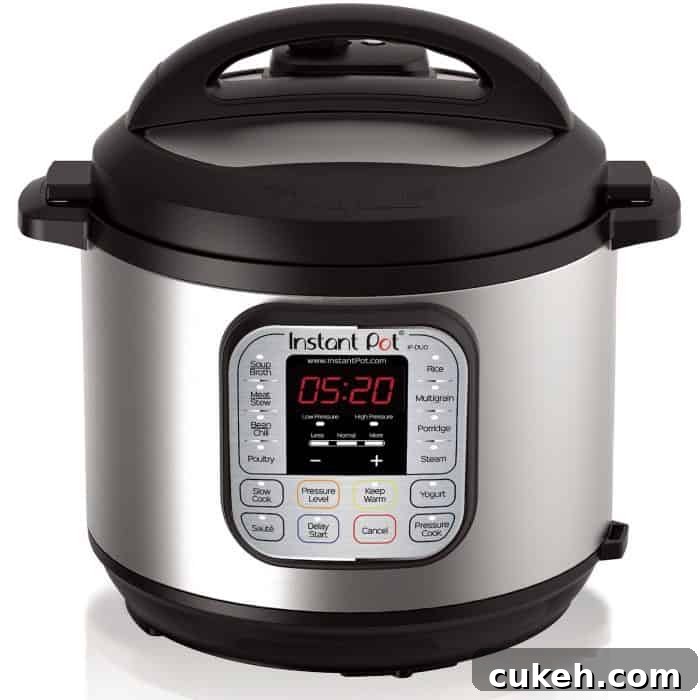
The Instant Pot is technically a multi-cooker rather than a pure slow cooker, but its slow cooker function is useful. It combines pressure cooking with slow cooking, rice, congee, and yogurt settings. I use the 6-quart version, and there are 3- and 8-quart sizes available as well.
I also liked the older Hamilton Beach 3-in-1 model for its nesting crocks. The newer Hamilton Beach “Right Size” has a single crock with fill lines for 2, 4, and 6 quarts—handy if you want one unit that adapts to different batch sizes. If you can only have one slow cooker, I suggest either the Hamilton Beach Right Size or a 6-quart Instant Pot.
Slow Cooker 101
When you use a new (or used) slow cooker for the first time, treat it as a test run and stay home while it cooks. Make a simple slow cooker soup to see how it performs—soups are forgiving and help you determine whether your unit runs hot or cool.
If your slow cooker boils on low or stews overcook, it likely runs hot. Try adding an extra 1/4 to 1/2 cup of liquid to recipes to compensate. You can always reduce excess liquid by removing the lid and letting it simmer on high or transferring the contents to a pot on the stove.
If your inherited or thrifted slow cooker runs cool, note that many modern slow cookers reach higher temperatures for food safety. If dishes seem watery, reduce liquid by 1/4 to 1/2 cup to test whether that fixes it.
Follow the manufacturer’s guidance for how full to fill the crock—typically between half and three-quarters full. Using a crock that’s too large for the recipe or filling it too little can cause your food to overcook or burn. My recipes assume a 4-quart slow cooker unless stated otherwise.
Replacing an Old Slow Cooker
If you’re replacing a unit you’ve relied on for years, be aware that modern slow cookers often cook hotter than older models. You may need to shorten cooking times or add more liquid until you learn how your new appliance behaves.
If you miss the exact behavior of your old cooker, check thrift stores—many older models, including the discontinued Crockette, show up there. You can often find replacement crocks or entire units at a fraction of the cost.
How Many People Are You Cooking For?
Consider household size before choosing capacity. A 1.5–2.5-quart slow cooker is ideal for singles or couples who prefer variety. A 4-quart cooker feeds two with leftovers or can serve four modest portions. A 5–6-quart cooker suits families of four or more and is useful for large batches like dried beans or whole pumpkins. Unless you routinely cook very large meals or freeze multiple portions, you likely won’t need anything larger than 6 quarts. Note that 1-quart “Little Dipper” units are mainly for keeping dips warm rather than full cooking.
I keep a small cooker for breakfasts and a 6-quart for big jobs like making pumpkins or large bean batches that I freeze in portions. You can adapt recipes between sizes, but always respect the fill recommendations in your manual.
Round or Oval Crock?
Shape matters mostly when you plan to fit pans inside the crock. Oval slow cookers are better for loaf pans and longer cuts of meat or whole vegetables like butternut squash. Round crocks are often cheaper and fine for most recipes, but can develop more hot spots and aren’t as convenient for baking pans.
Manual or Programmable?
Manual slow cookers are less expensive and perfectly capable of making delicious meals. Programmable slow cookers are worth the extra cost if you need the unit to switch to warm automatically after a set time—handy if your schedule is unpredictable. Programmable models do not allow delayed starts for safety reasons.
If you can’t afford a programmable model but work long hours, choose recipes that can hold for longer periods (soups or stews) or add extra liquid to prevent drying out.
Multicooker or Dedicated Slow Cooker?
Multicookers, like the Instant Pot and several other brands, offer multiple functions—pressure cooking, slow cooking, sautéing, rice cooking, and yogurt making. They can save counter space by combining roles. However, not all multicookers offer the same functions, so read descriptions carefully if you plan to use pressure-cooker recipes.
I appreciate the Instant Pot’s stainless-steel insert and the ability to replace separate appliances like a rice cooker and yogurt maker. If you live in a small space, a multicooker can be a practical all-in-one solution.
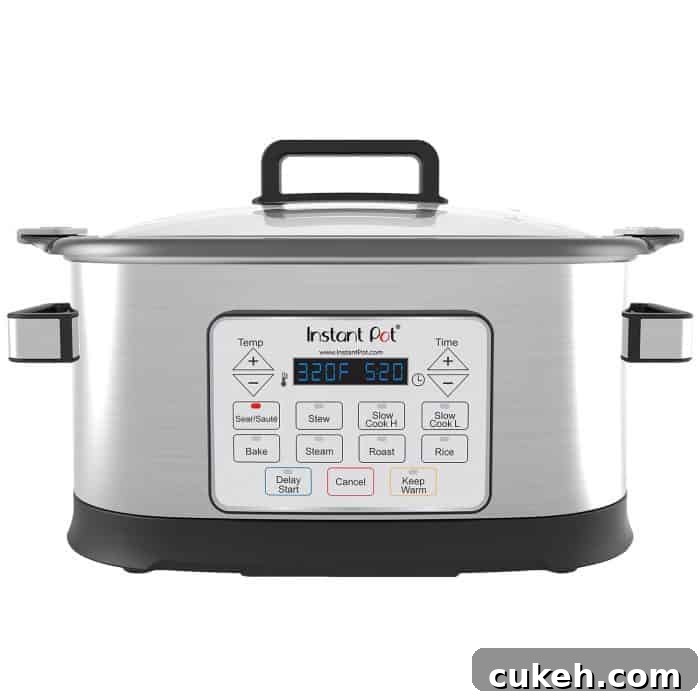
There are also multicooker models that operate without a pressure function but still provide slow cooking, sautéing, steaming, and rice-making. These can be sufficient if you don’t need pressure cooking specifically.
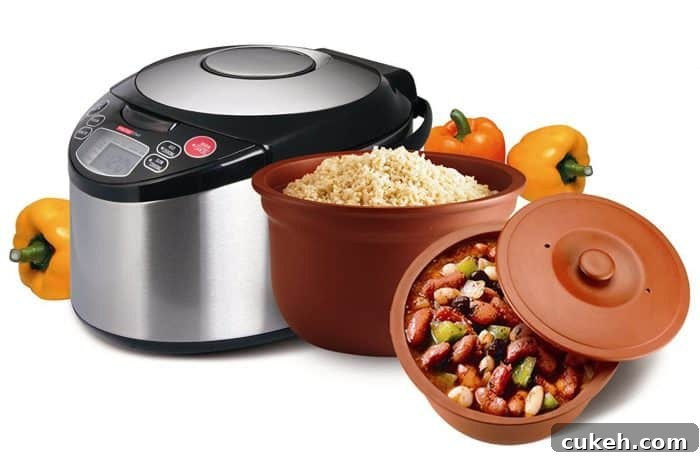
One more concern: some people worry about lead in ceramic glazes. Most major manufacturers state their crocks are lead-free, but always verify before you buy. Some newer multi-cookers use unglazed clay inserts to avoid this risk entirely.
Ultimately, the best slow cooker depends on how you plan to use it: the number of people you cook for, whether you want programming or multicooker features, and how much counter space you have. Test your new appliance with a simple soup first, follow your manual’s fill guidelines, and you’ll be well on your way to many easy, flavorful meals.