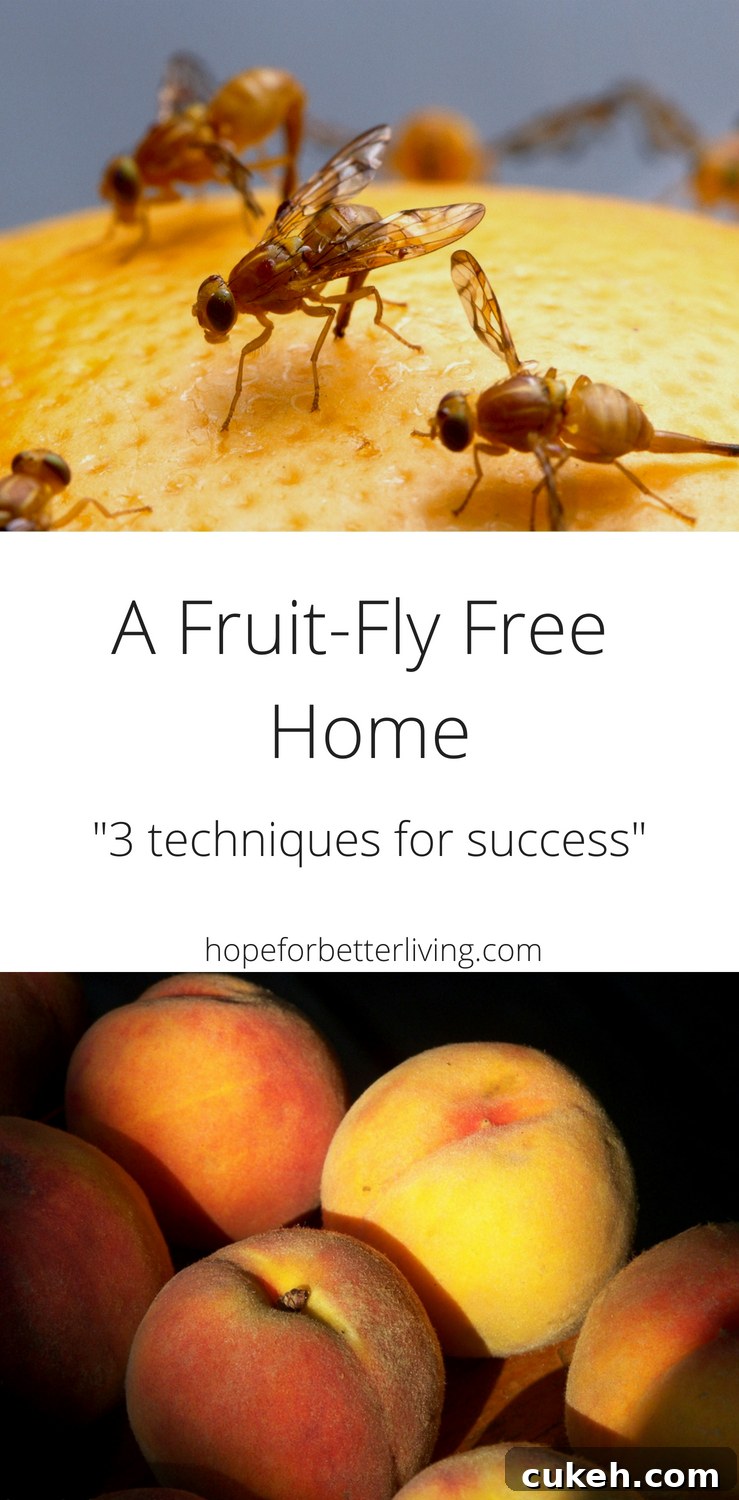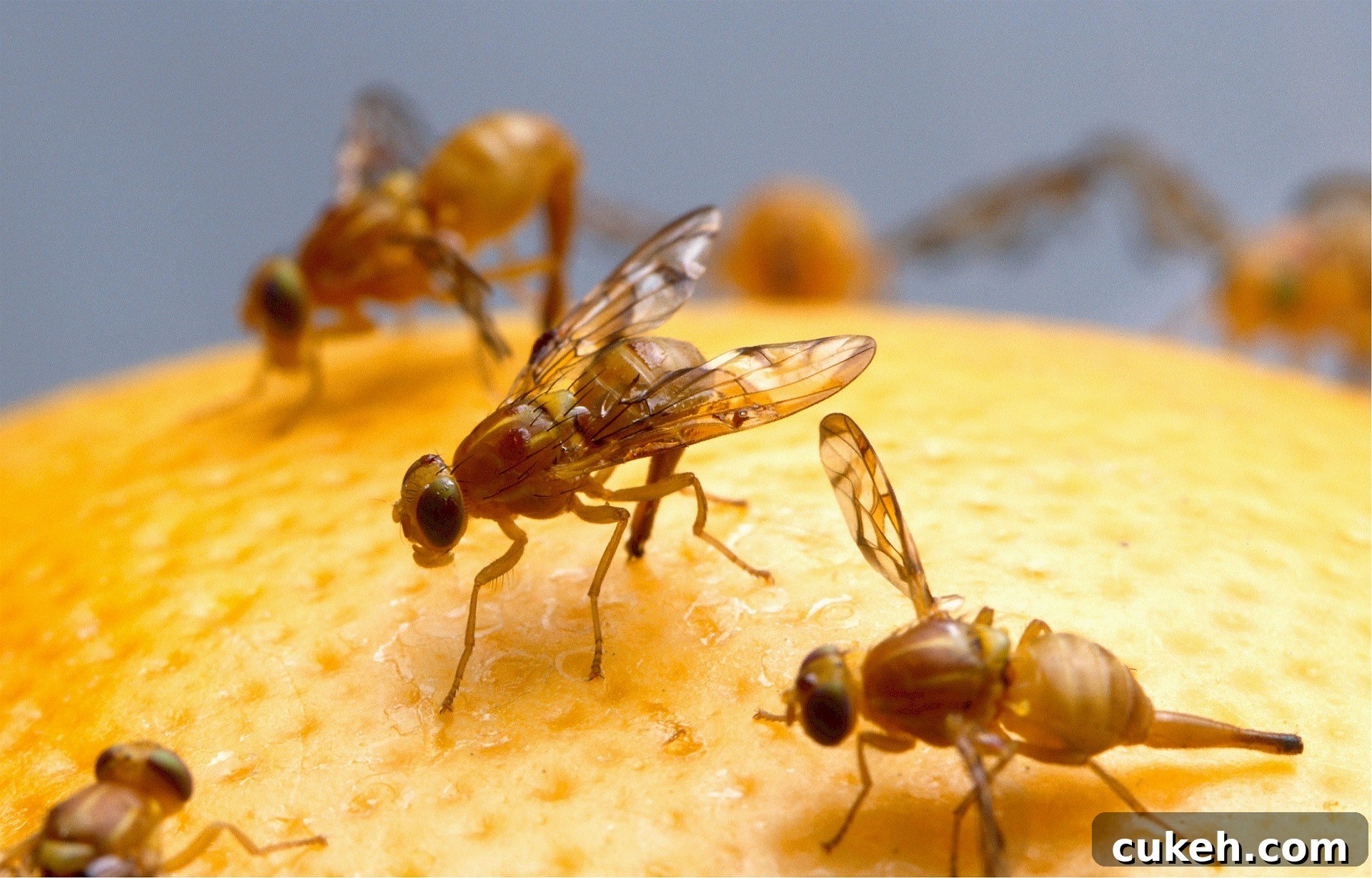
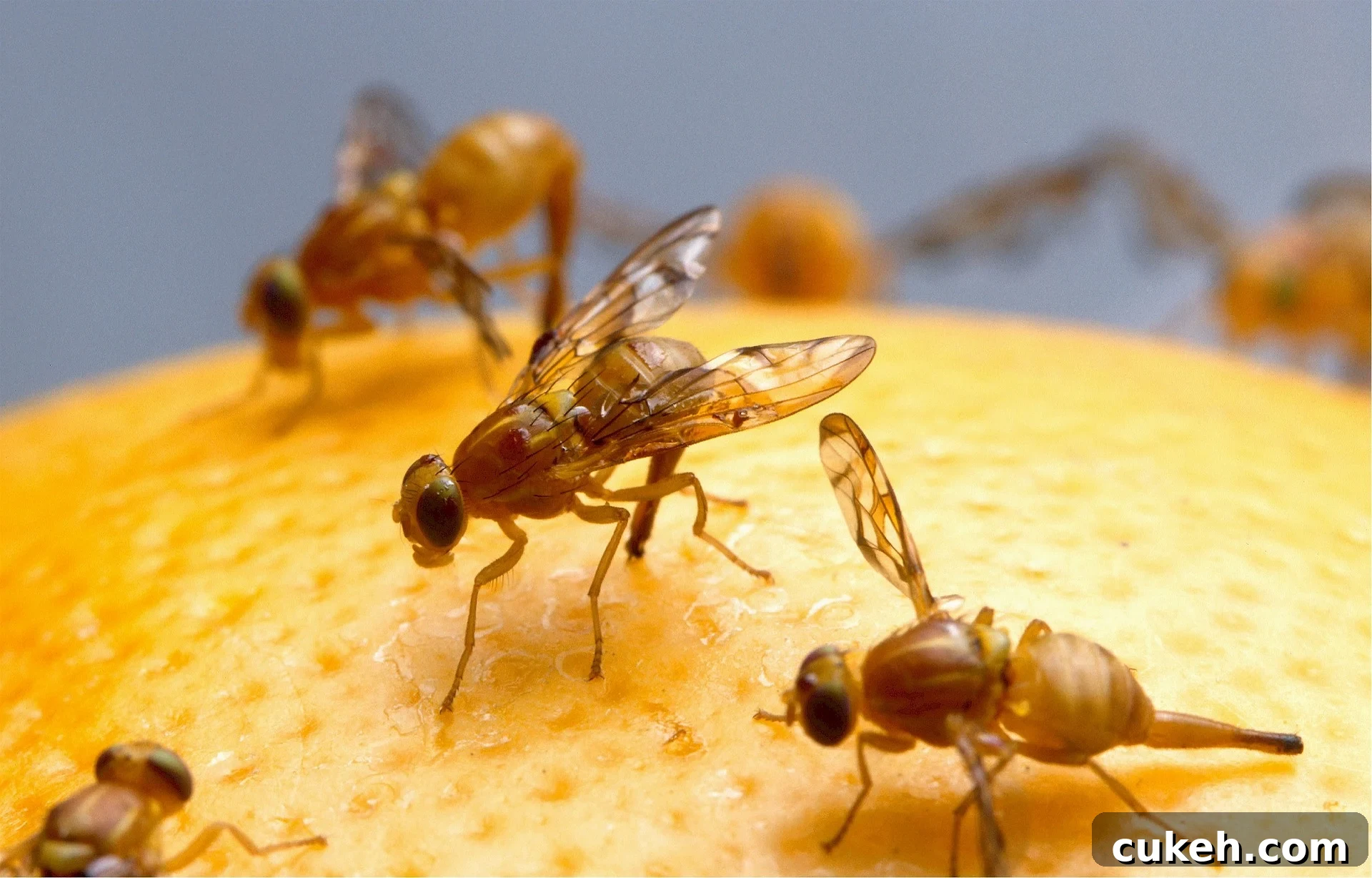
For many of us who keep fresh produce in the kitchen through the summer, fruit flies are a constant nuisance. They hover over bowls of fruit and sneak into jars and compost buckets. Worse, even when you think the problem is solved, eggs already laid can hatch and restart the infestation.
Although it can feel hopeless, you can control and greatly reduce fruit fly populations with a few consistent habits and simple DIY traps. Below are five practical, effective tips to help keep your home free of fruit flies.
Set Fruit Fly Traps
Homemade traps are inexpensive and surprisingly effective. You don’t need elaborate gear—just a few pantry items. Here are three reliable, low-effort trap ideas commonly used by homeowners:
#1: Banana in a Bread Bag
Place an overripe banana inside a clear bread bag and loosely close the opening so flies can enter but have trouble escaping. This non-lethal method attracts flies away from food and confines them.
#2: Jar and Paper Funnel
Put a small amount of fruit vinegar or ripe fruit pieces in a jar, roll paper into a funnel, and insert it into the jar opening. Fruit flies are drawn in and can’t easily find their way back out.
#3: Vinegar and Dish Soap
Pour fruit-based vinegar into a shallow bowl and add a drop of dish soap. The vinegar lures the flies and the soap breaks the surface tension so they sink. This is a quick, effective, no-fuss option that works well in kitchens.
After placing traps, check and refresh them regularly to remove captured insects and keep the attractant effective.
Maintain Drainage Pipes
Fruit flies often breed in damp, organic build-up inside drains. If you notice flies around sinks, tubs, or floor drains, they may be laying eggs there. Left unchecked, larvae can mature in as little as two weeks.
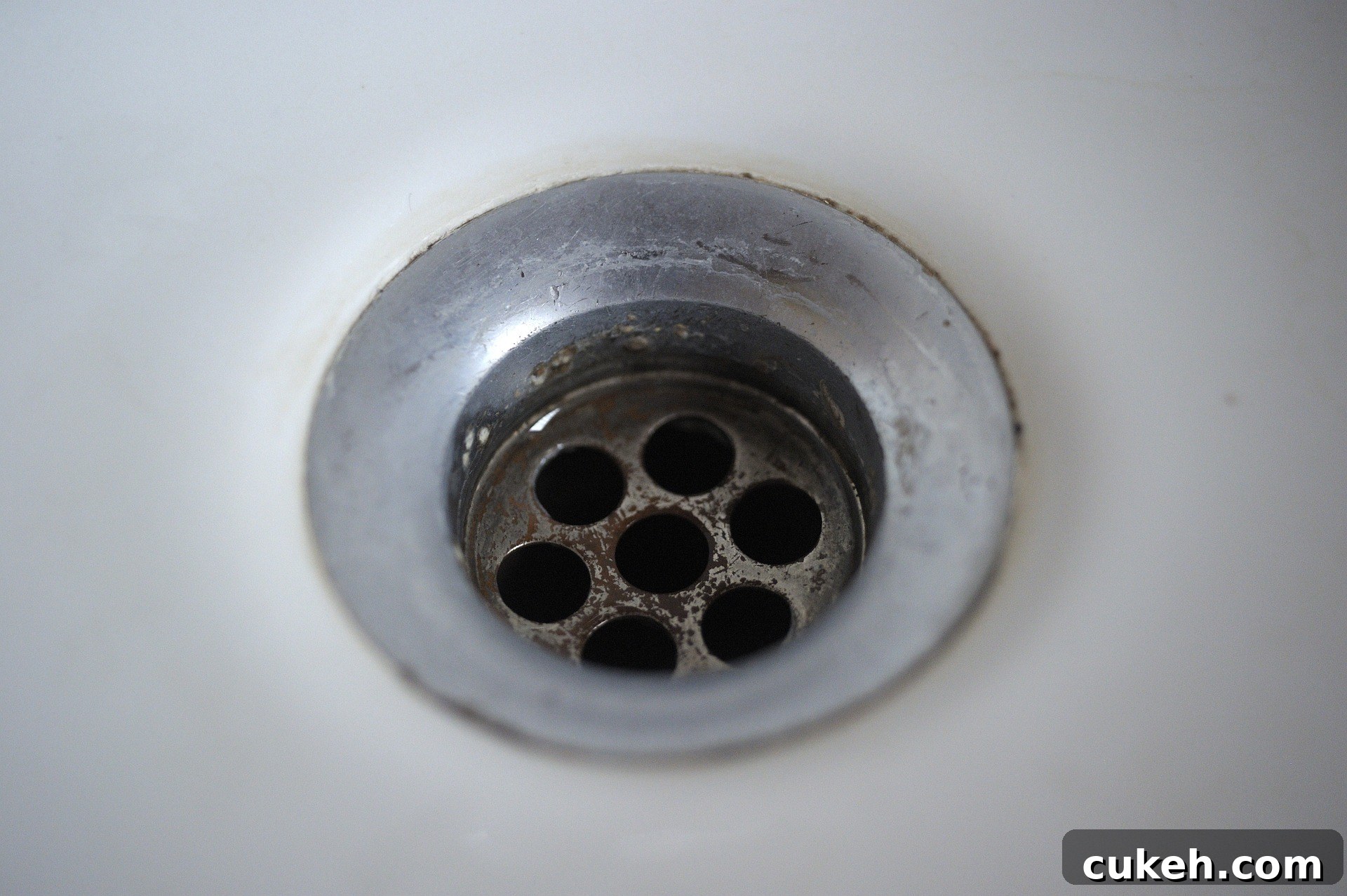
Clean all household drains weekly. Simple methods—like flushing with hot water, using a mixture of baking soda and vinegar followed by boiling water, or scraping out buildup—will reduce breeding sites and help prevent reinfestation.
Cover or Refrigerate Food
Fruit flies will lay eggs on a wide range of foods, including fruits, vegetables, and other pantry items. Store potatoes, garlic, and onions in sealed containers. Refrigerate berries, cut produce, and leftovers. If fruit needs to ripen, do it outside or in a closed space away from the kitchen.
Any food left on counters or in open jars should be covered to keep flies from accessing it.
Keep a Clean Kitchen
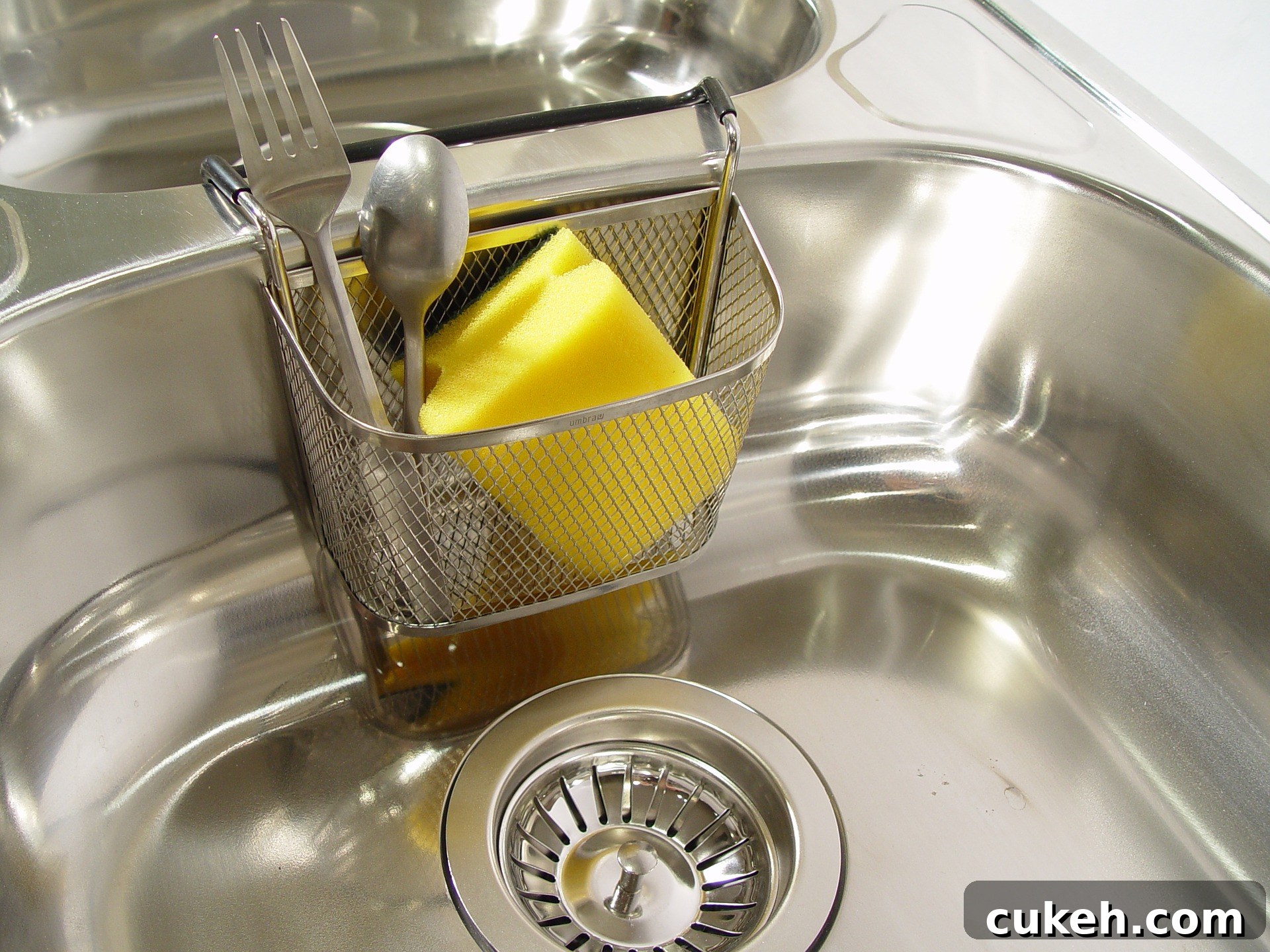
Good sanitation is essential to long-term control. Wash dishes promptly, wipe countertops, sweep floors, and empty crumbs and food debris from sink strainers and garbage disposals. Removing even small scraps of food prevents fruit flies from finding nourishment and places to lay eggs.
Manage Garbage and Compost Strategically
Fruit flies are tiny and can get into poorly sealed trash cans. Make sure garbage bins have tight-fitting lids, and empty them frequently. If possible, compost fruit scraps outdoors rather than leaving them in an indoor bin.
If you keep a compost bucket in the kitchen, use one with a snug, secure lid and empty it regularly. When storing a compost container outdoors, place it at least eight feet away from doors and windows so you don’t invite flies back into the house each time you discard scraps.
Combining traps with good sanitation and smart storage usually brings fruit fly numbers down quickly. Be consistent—clean drains, cover or refrigerate produce, empty compost and garbage often, and refresh traps until the infestation is gone.