World Tourism Day Celebration
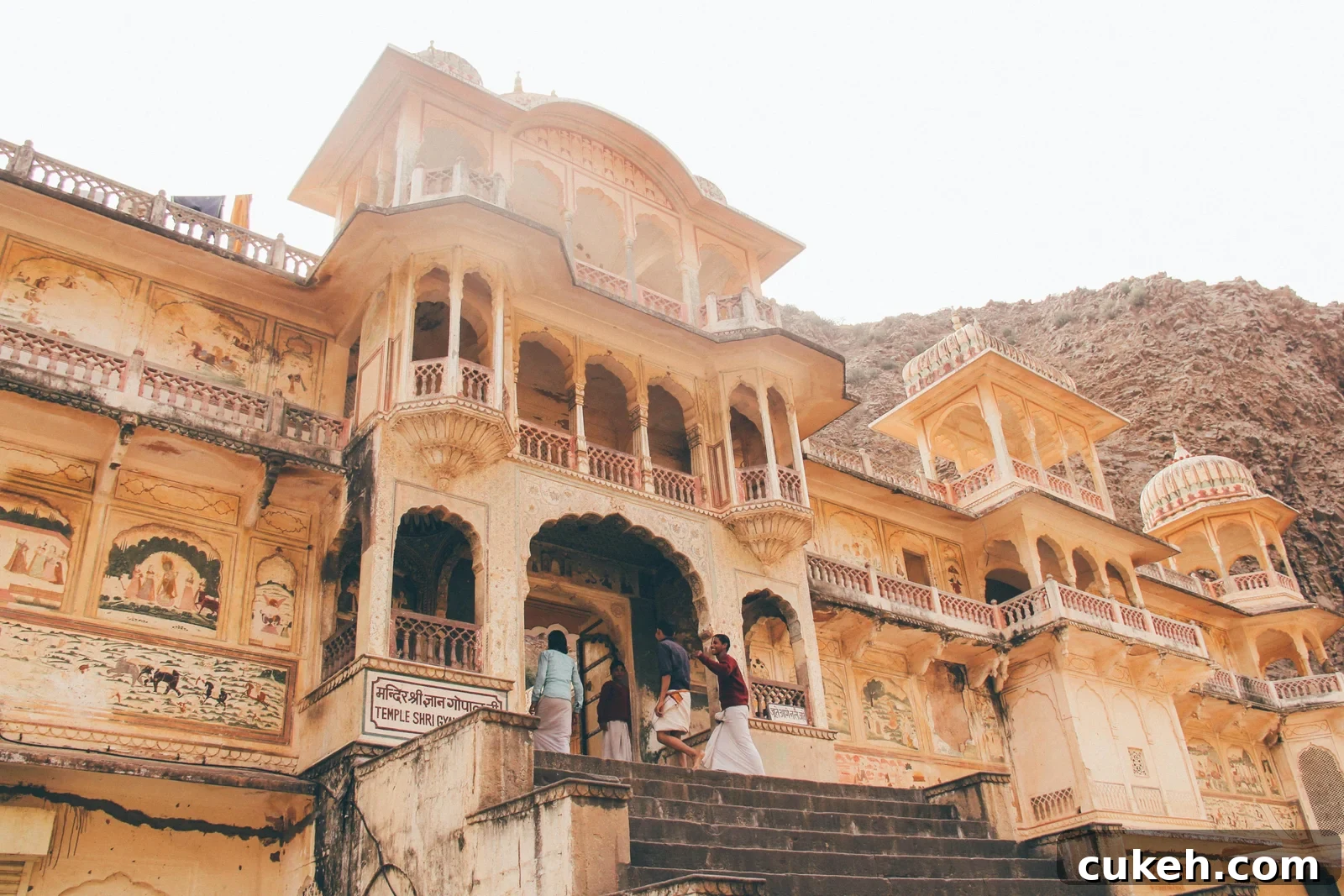
World Tourism Day is observed every year on 27 September across countries worldwide. India is home to numerous iconic attractions that draw millions of visitors, including the Taj Mahal, Red Fort, Qutub Minar, Charminar, Akshardham Temple, Gateway of India, Vaishno Devi Temple, Hawa Mahal, India Gate, Bhangarh Fort, Umaid Bhawan Palace, Mysore Palace, Victoria Memorial, Sun Temple at Konark and Jaisalmer Fort, among others.
The Government of India’s “Incredible India” campaign has successfully showcased the country’s diverse heritage and natural beauty to international and domestic travellers, contributing to a steady growth in tourist arrivals each year.
World Tourism Day traces its origins to 1980 when the United Nations World Tourism Organization (UNWTO) established the observance. The date, 27 September, was chosen because it marks the adoption of the UNWTO constitution in 1970, a milestone that reinforced global cooperation in promoting tourism.
Since 1997, the UNWTO has also associated World Tourism Day with a host country or region to highlight different aspects of tourism. Over the years the celebration has focused on various regions and themes, helping to spotlight regional strengths and challenges while fostering international collaboration.
Each year the United Nations sets a theme for World Tourism Day to emphasize tourism’s role in sustainable development. The objective is to raise awareness of how tourism supports social, cultural and economic progress and fosters mutual understanding among peoples.
Themes such as “Tourism and Rural Development” highlight tourism’s unique capacity to spur growth beyond large urban centers, creating opportunities in communities that might otherwise be left behind. World Tourism Day also underscores the sector’s role in preserving and promoting cultural heritage worldwide.
In the wake of global challenges like the COVID-19 pandemic, tourism can help rebuild trust and solidarity between communities while supporting economies that depend heavily on visitor spending. Regions including parts of Europe, coastal African nations, East Asia, Canada and Australia rely substantially on tourism revenue, making the sector a critical pillar of recovery efforts and of the 2030 Agenda for Sustainable Development.
Effective promotion and coordination are essential to developing tourism. Linking tourist destinations to major airports, investing in infrastructure and marketing, and improving visitor experiences have all played significant roles in expanding tourism’s reach. Today’s travellers seek authentic experiences and accessible information, and destinations that respond to these needs continue to thrive.
Celebrating World Tourism Day aims to spread awareness about tourism’s broad benefits: it enhances cultural exchange, strengthens communities economically and socially, and encourages preservation of local traditions and natural landscapes. Well-managed tourism creates jobs, supports small businesses and builds capacities across hospitality, food and beverage, transport and travel services.
Tourism remains a diverse sector with strong growth potential. It contributes to regional development and provides career opportunities for young people. The NFCI has played a role in nurturing talent for the tourism and hospitality industries. Mr. M.S. Nagpal, former Director of NFCI, contributed significantly to tourism development in Haryana through projects like Parakeet Resort (Pipli), Karna Resort (Karnal), Skylark Tourist Resort (Panipat) and Ethnic India Tourist Resort (Rai, Sonipat).
Building on this legacy, Mr. Pemninder Singh, Managing Director of the NFCI Group, founded NFCI in 1999 to address the shortage of skilled personnel in hospitality and allied industries. Starting as a focused training initiative in Punjab, NFCI expanded to multiple centres across the state and later into Haryana and Himachal Pradesh, responding to rising demand for skilled professionals in the tourism and hospitality sectors.
With growing inbound visitors for business, investment and leisure, NFCI broadened its reach across India to provide modern, practical training for aspiring chefs, hoteliers and tourism professionals. The institute’s mission is to equip students with the skills and confidence to excel globally while contributing to India’s vibrant tourism economy.
The NFCI team credits the founders’ vision for establishing high standards in vocational training and for shaping a specialized niche in tourism and hospitality education. NFCI continues to celebrate World Tourism Day each year through workshops, seminars and interactive activities that promote professional development and industry awareness.
At NFCI Hotel Management Institute we emphasize excellence in learning so that our students and chefs can travel, learn and contribute to the global hospitality landscape. World Tourism Day is an opportunity to reaffirm our commitment to training skilled professionals who will support sustainable growth in tourism and hospitality.