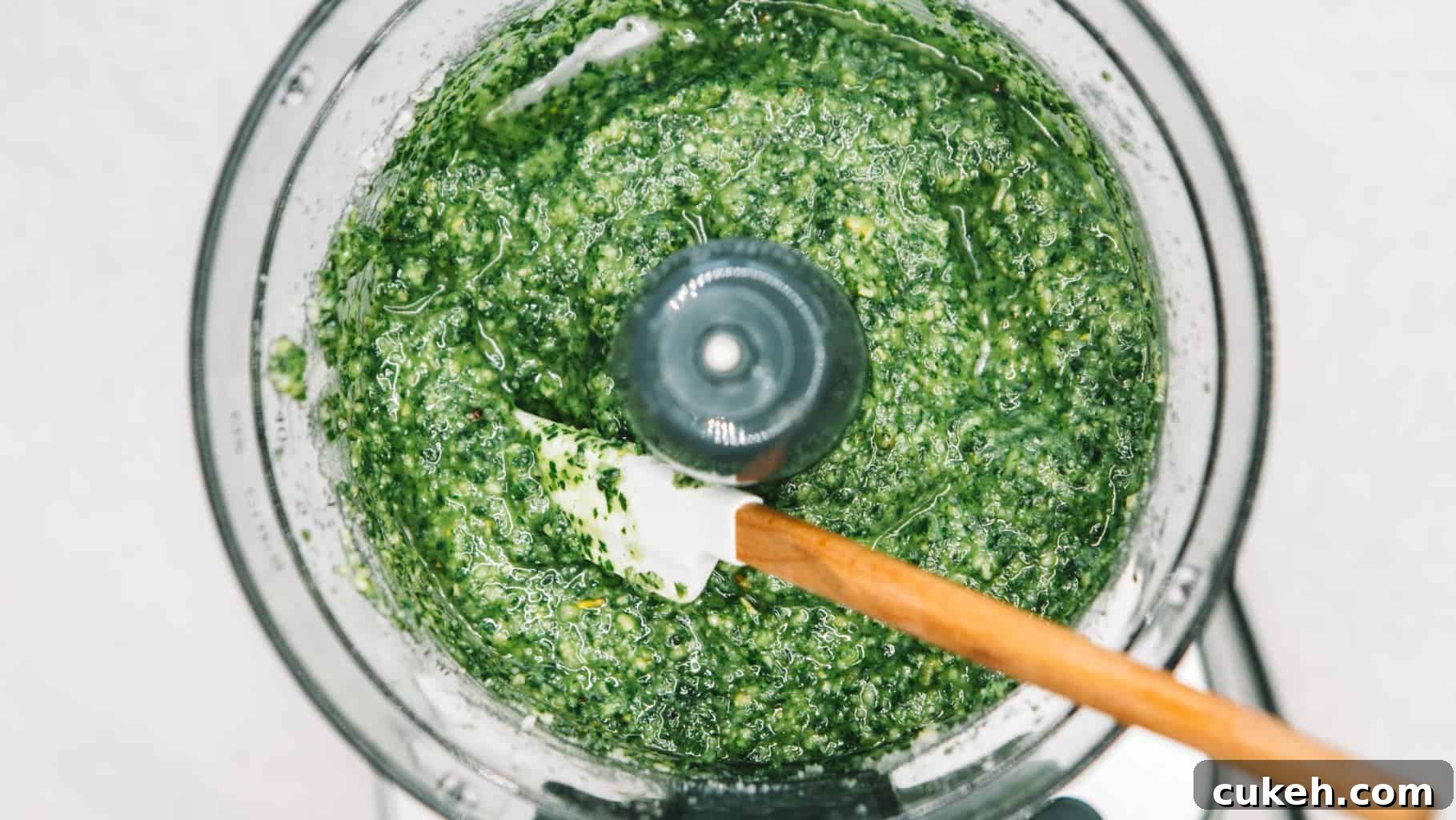
Learn how to make pesto in just a few simple steps using a food processor. With fresh basil, garlic, pine nuts, Parmesan, olive oil, salt, and pepper, this classic Genovese pesto is bright, fragrant, and versatile—perfect for pasta, grilled meats, vegetables, or my favorite summertime vegetable & pasta skewers.
Why you’ll love this pesto recipe
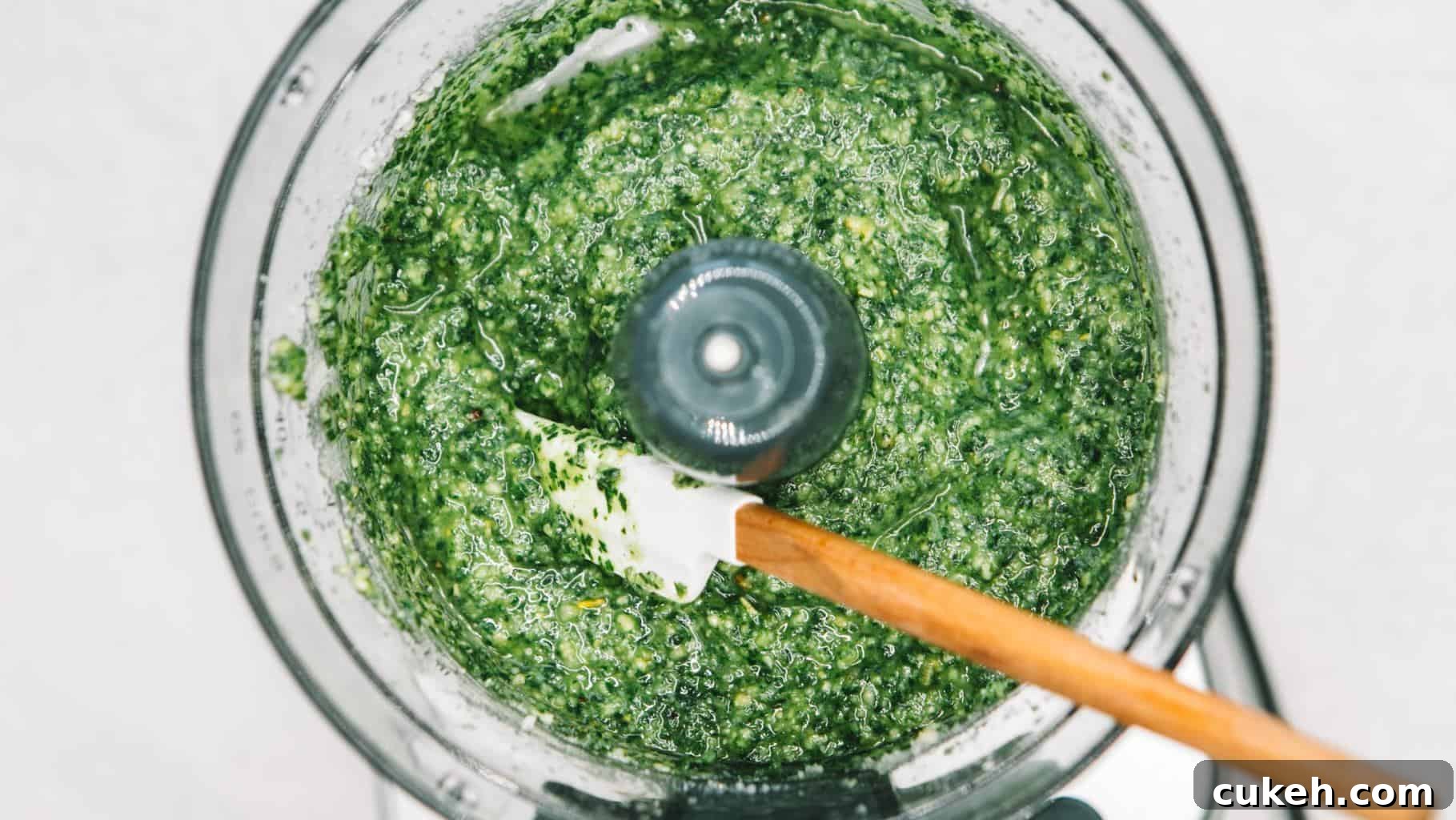
When basil is at its peak, homemade pesto is one of the fastest and most rewarding ways to use it. This recipe sticks to the traditional Genovese formula—basil, garlic, pine nuts, Parmesan, and olive oil—so the fresh herb shines. The result is a vivid, flavorful sauce that elevates simple meals and stores well in the fridge or freezer for quick use all season long.
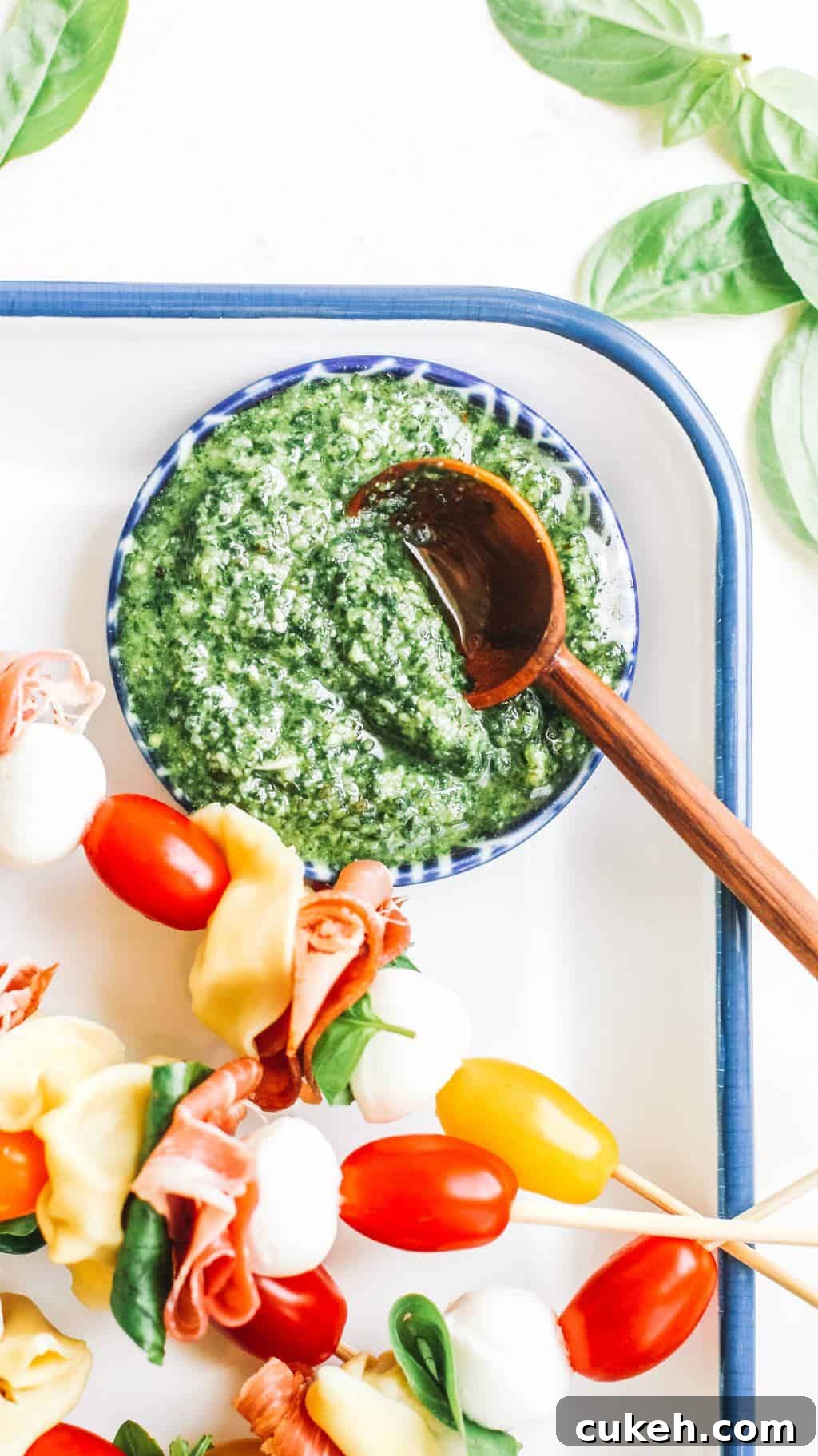
I especially love using pesto as a dip or sauce for vegetable and pasta skewers. Skewers are portable, casual, and perfect for summer gatherings—easy to assemble, elegant, and delicious when served with a bowl of pesto on the side.
Basil pesto ingredients
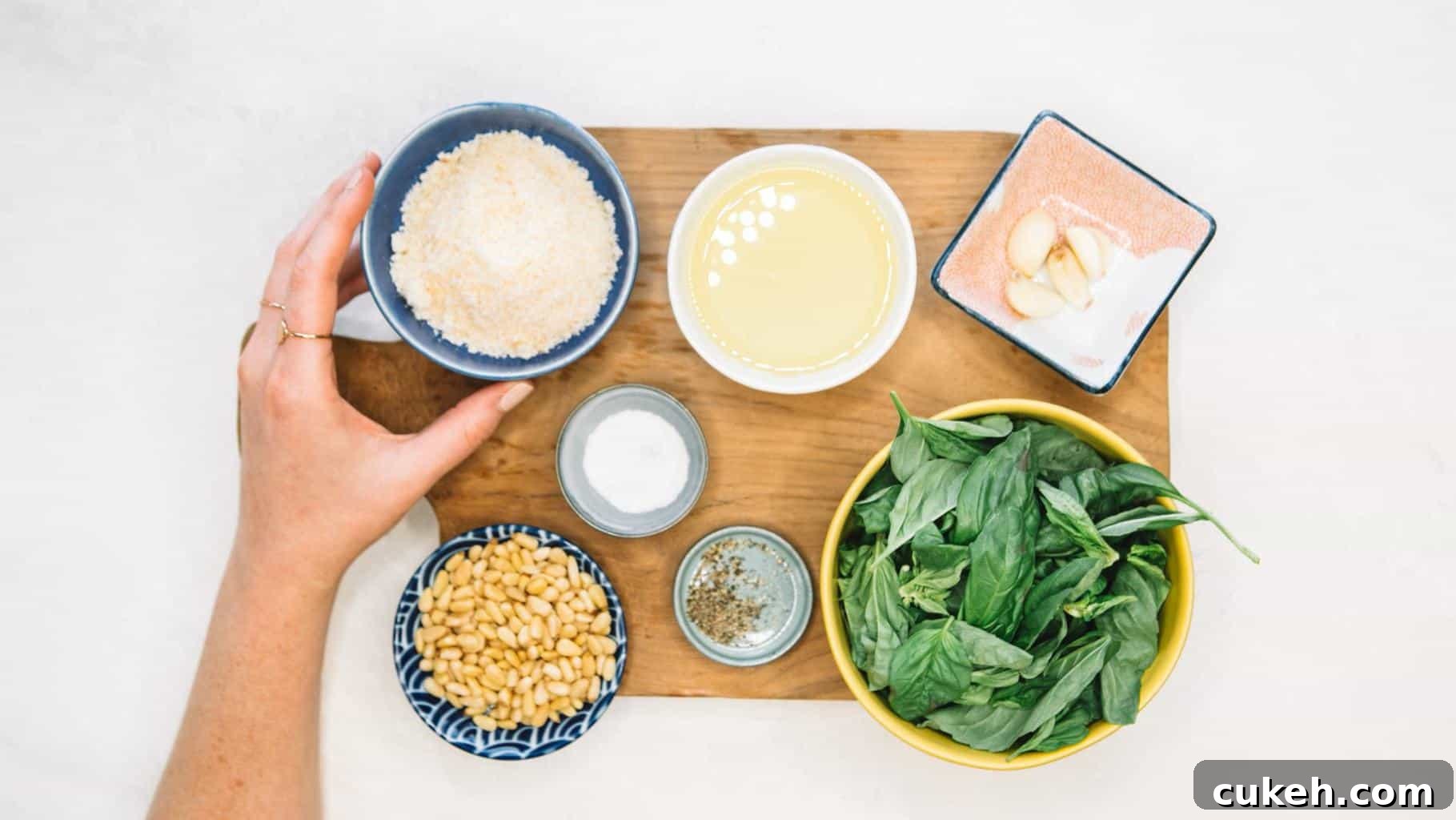
Here are the essentials for a classic basil pesto.
- Fresh basil leaves: Remove tender leaves from thick stems and lightly pack them into a measuring cup.
- Whole garlic cloves: No need to mince—your food processor will do the work.
- Pine nuts: Lightly toast in a dry skillet over medium-low heat for 3–5 minutes to deepen their flavor, then cool before adding.
- Parmesan cheese: Freshly grated Parmesan gives the best flavor—use the good stuff and include the rind when possible.
- Olive oil: Use fruity extra virgin olive oil since pesto is a raw sauce.
- Salt and pepper: Start small—about 1/4 teaspoon each—then adjust to taste.
How to make pesto sauce
Using a food processor makes this recipe fast and foolproof.
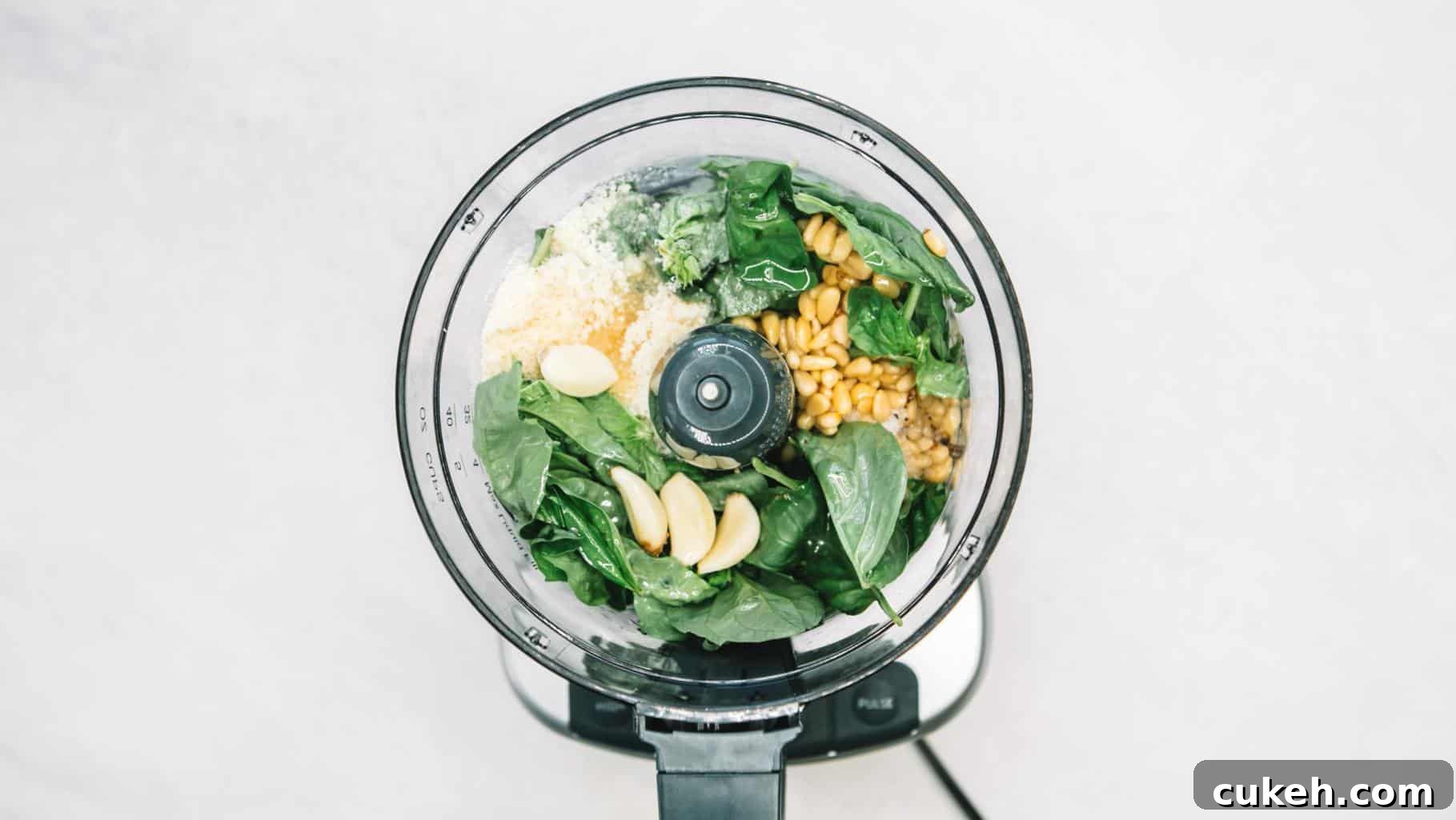
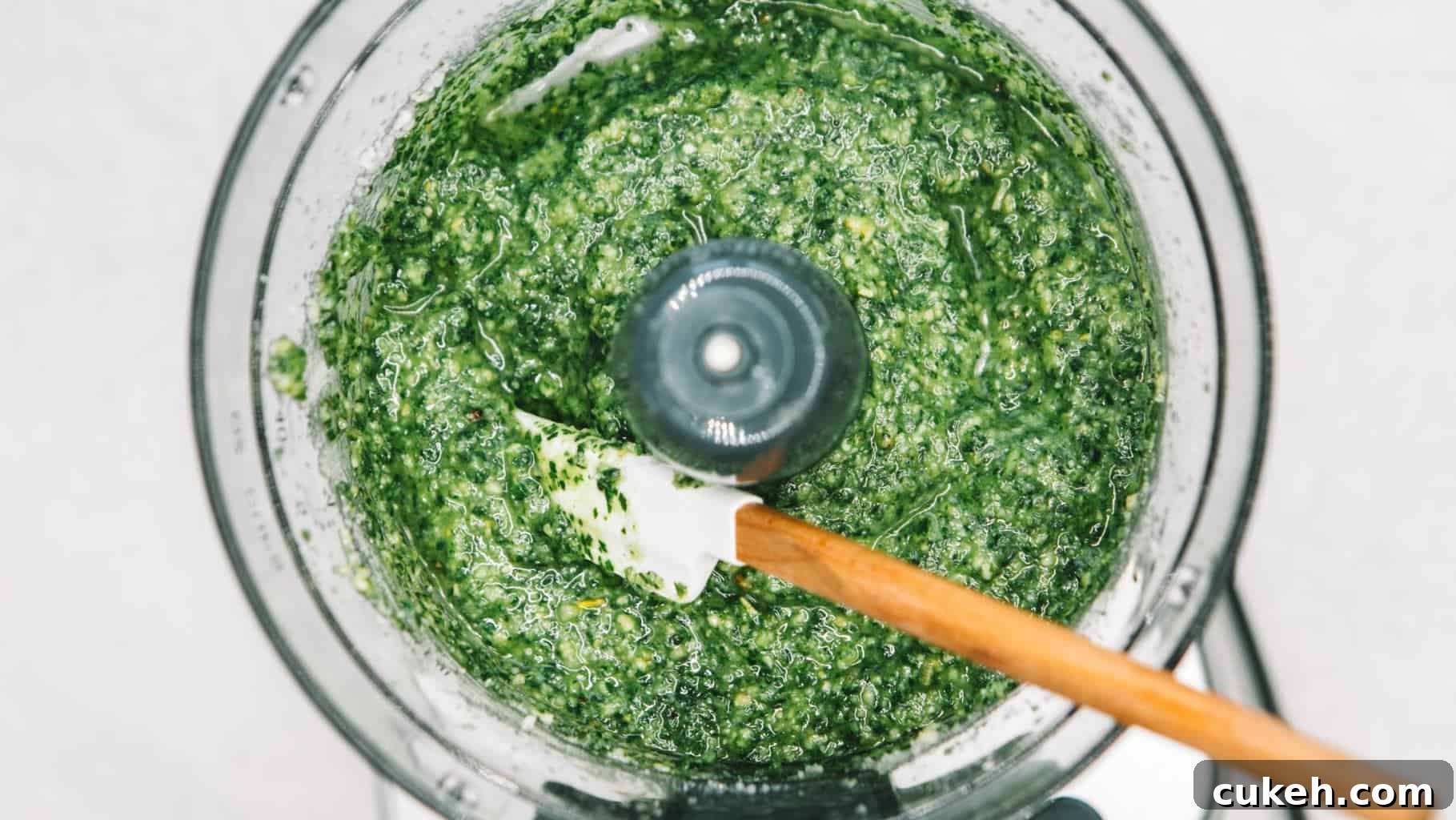
- Add the basil, garlic, pine nuts, Parmesan, salt, and pepper to the food processor bowl fitted with the blade. Pulse several times until the mixture is coarsely chopped.
- With the motor running on low, drizzle in the olive oil so the mixture emulsifies into a smooth sauce. Stop to scrape down the sides as needed. If the pesto is too thick, add a few tablespoons of olive oil or a little water to thin it to your preferred consistency.
- Taste and adjust with more salt, pepper, Parmesan, or garlic if desired.
- Use right away or store in an airtight container in the refrigerator or freeze for longer storage.

How to use pesto
Pesto is incredibly versatile—try these serving ideas:
- Pasta sauce: Toss with hot pasta and a splash of pasta cooking water for silky coverage.
- Dip for veggies or bread: Serve alongside sliced vegetables or crusty bread as an appetizer.
- Salad dressing: Thin with olive oil or water and toss with greens, beans, or roasted vegetables.
- Vegetable and pasta skewers: Skewer tomatoes, fresh mozzarella, prosciutto, basil leaves, and cooked tortellini—serve with pesto for dipping.
- Finishing sauce for grilled meats or veggies: Spoon over chicken, fish, steak, or grilled vegetables just before serving.
How to store pesto
You can keep pesto fresh using one of these methods:
- Refrigerator: Store in an airtight container for up to one week. To slow browning, drizzle a thin layer of olive oil over the surface or press a piece of plastic wrap directly onto the pesto.
- Freezer: Freeze in an airtight container or freezer bag for up to three months. For portioning, freeze pesto in silicone ice cube trays, then transfer the cubes to a labeled freezer bag—grab a cube as needed.
Recipe notes: For a thinner pesto, add a few tablespoons of olive oil or water. Add extra grated Parmesan or another garlic clove if you prefer stronger cheese or garlic flavor.
How to Make Pesto!
Ingredients
- 1 ½ cups Fresh Basil Leaves, lightly packed
- 4 Garlic Cloves
- ¼ cup Pine Nuts, lightly toasted & cooled
- ½ cup Freshly Grated Parmesan Cheese, plus more if needed
- Salt & Pepper, to taste
- ½ cup Olive Oil, plus more if needed
Instructions
- Place basil, garlic, pine nuts, Parmesan, and 1/4 tsp each salt and pepper in the bowl of a food processor fitted with the blade. Pulse until coarse. With the motor running on low, drizzle in the olive oil until emulsified. Season to taste. Store in an airtight container in the refrigerator for up to one week or in the freezer for up to three months.
Notes
For a thinner consistency, add a few tablespoons of olive oil or water. Add more grated Parmesan or an extra garlic clove to intensify those flavors.
Nutrition
Disclaimer: Nutritional values were calculated using a third-party tool and are provided as an estimation only.
Did you make this?
Tag me on Instagram and use the hashtag #eerecipes so I can see your creations.