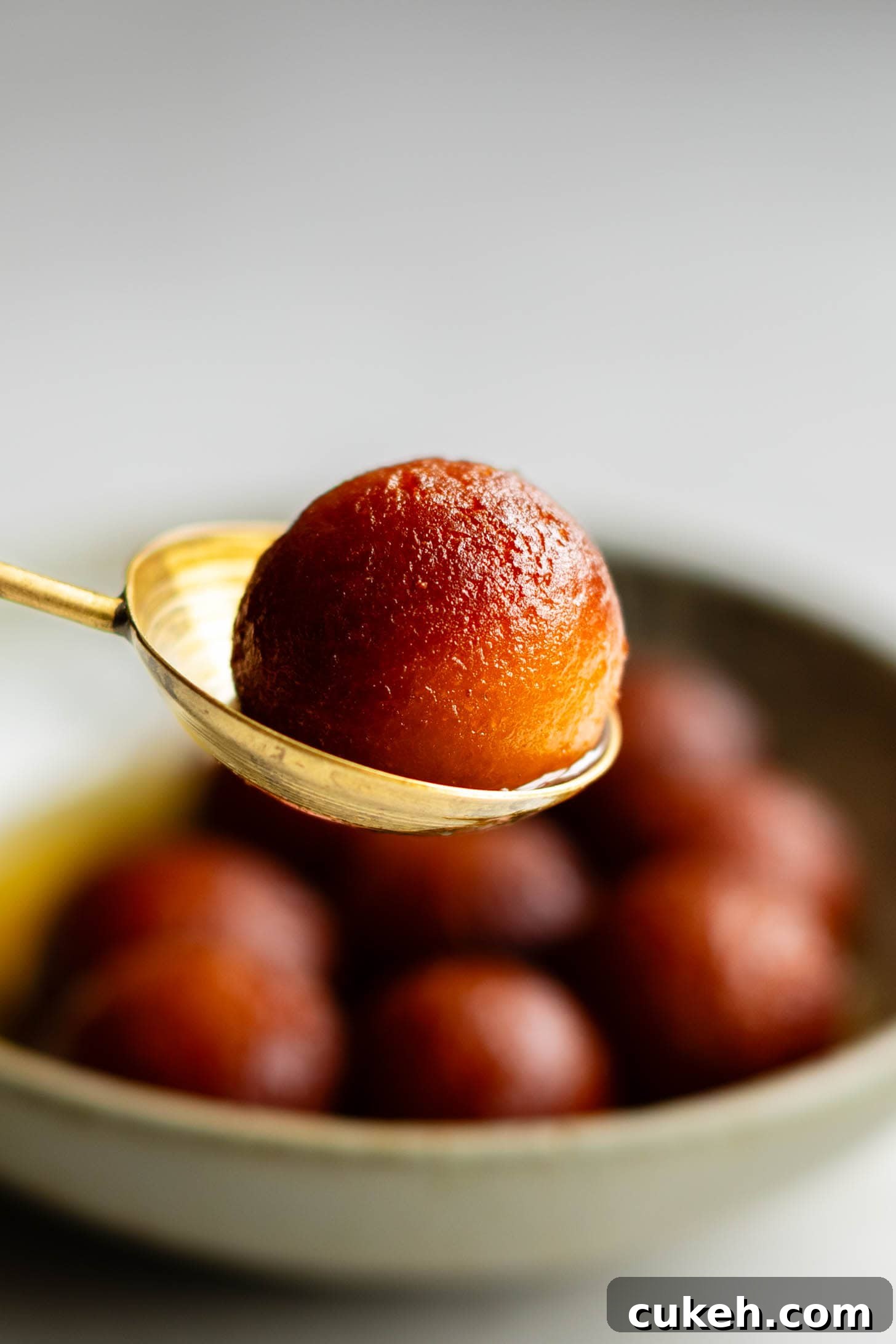
Soft, juicy, and full-flavored Gulab Jamun with just 30 minutes of prep — yes, it’s possible. This foolproof version uses milk powder, a measured amount of egg, heavy cream, and an unexpected secret: boxed pancake mix. After many tests, these tweaks deliver consistent, restaurant-style jamun that stay tender and don’t fall apart in syrup.
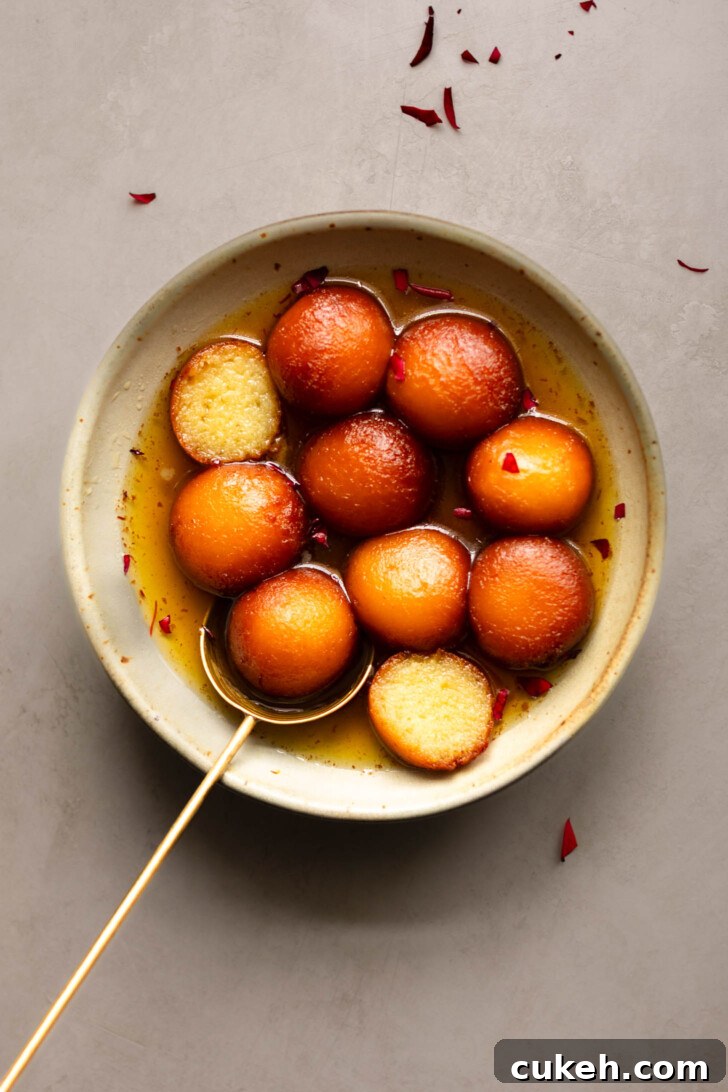
How to Make Perfect Gulab Jamun, Every Time
Gulab Jamun can be tricky: they may absorb oil, flatten in syrup, or turn out tough. The method below addresses the common pitfalls so you get reliable results every time.
- Measure the egg carefully: The amount of whisked egg matters. Too much egg makes the jamun rubbery; too little and they won’t hold their shape. This recipe specifies an exact weight to avoid inconsistency.
- Use pancake mix: An original boxed pancake mix replaces plain flour plus baking powder and salt, giving structure, lightness, and a more forgiving dough that fries evenly.
- Shape quickly and smoothly: Work with slightly oiled hands and form the balls quickly to avoid a rough surface. Eliminating air pockets and smoothing the surface helps them brown uniformly and stay intact in syrup.
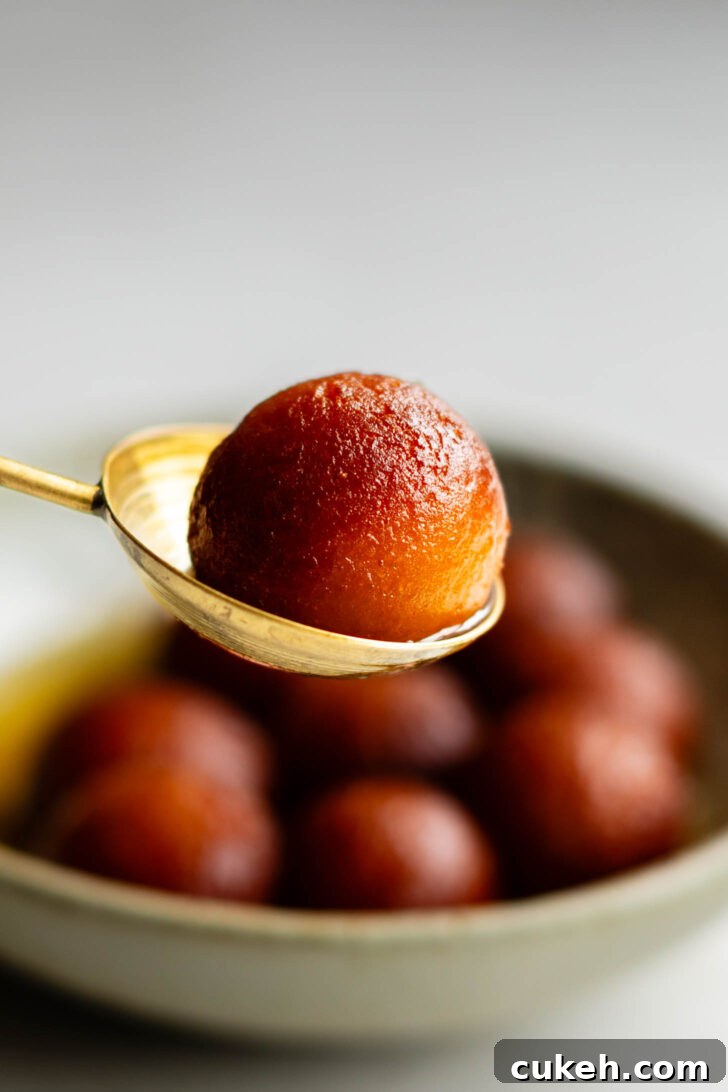
Ingredients and Recipe Notes
I tested many variations to find the right balance. Below are key observations about ingredients and how they affect texture and flavor.
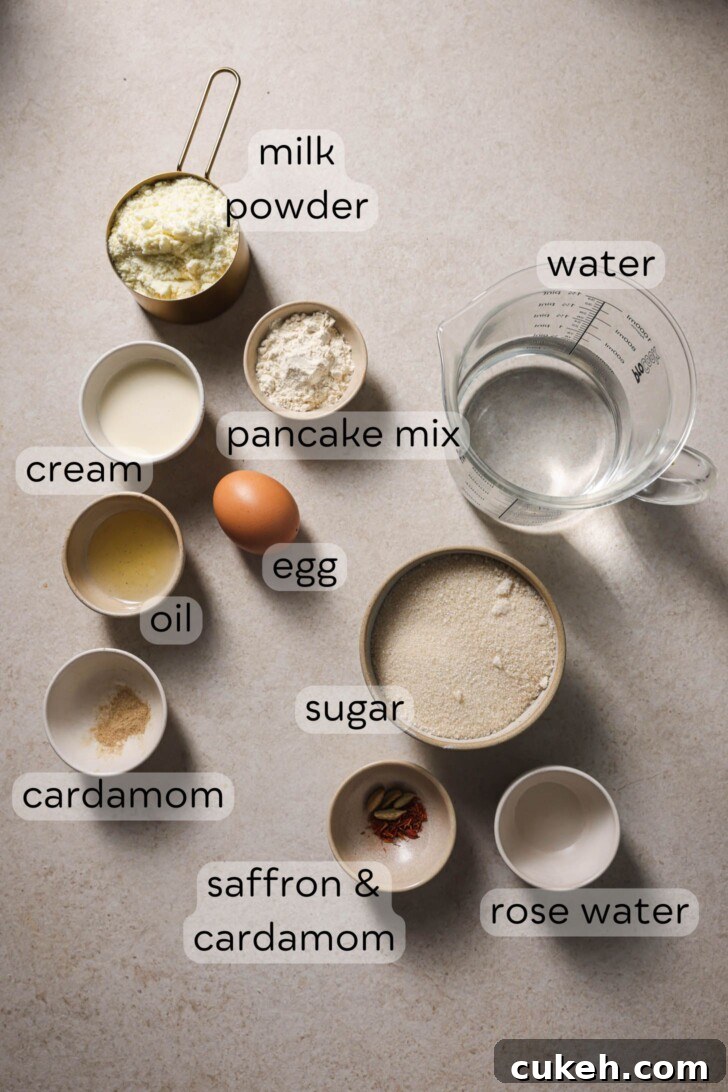
For the Jamun
- Boxed original pancake mix: Acts as both flour and leavening. It yields softer, more evenly fried jamun than using plain flour and baking powder separately. Use an original (not “complete”) mix for best results.
- Egg (weighed): Provides essential structure. Use the specified 45 g of whisked egg (about one small egg). If using a larger egg, weigh and use 45 g only. Too much egg leads to chewiness.
- Whole milk powder (full-fat): Gives the jamun their characteristic milky flavor and tender crumb. Nonfat powders don’t produce the same texture or taste.
- Neutral oil: Oil rubbed into the dry mix creates a crumbly texture that helps produce tender jamun. Use a neutral frying oil (grapeseed or avocado) to avoid strong flavors.
- Heavy whipping cream: Hydrates the dough and keeps the jamun moist and juicy. Too much cream makes the dough loose; too little leaves them dry and rubbery.
For the Sugar Syrup
- Water: Two cups is a safe starting point; simmering time and evaporation affect final thickness.
- Sugar: One cup keeps the syrup balanced — increase to 1 1/2 cups if you prefer a sweeter finish.
- Cardamom and saffron: Cardamom pods add aroma; saffron adds color and floral notes. A pinch of saffron is enough.
- Rose water (optional): Add only after removing syrup from heat to preserve its delicate fragrance.
How to Make Gulab Jamun (Key Tips Included)
Make the Dough
- Begin heating oil over low heat so it’s warming while you prepare the dough. This prevents drastic temperature swings when frying.
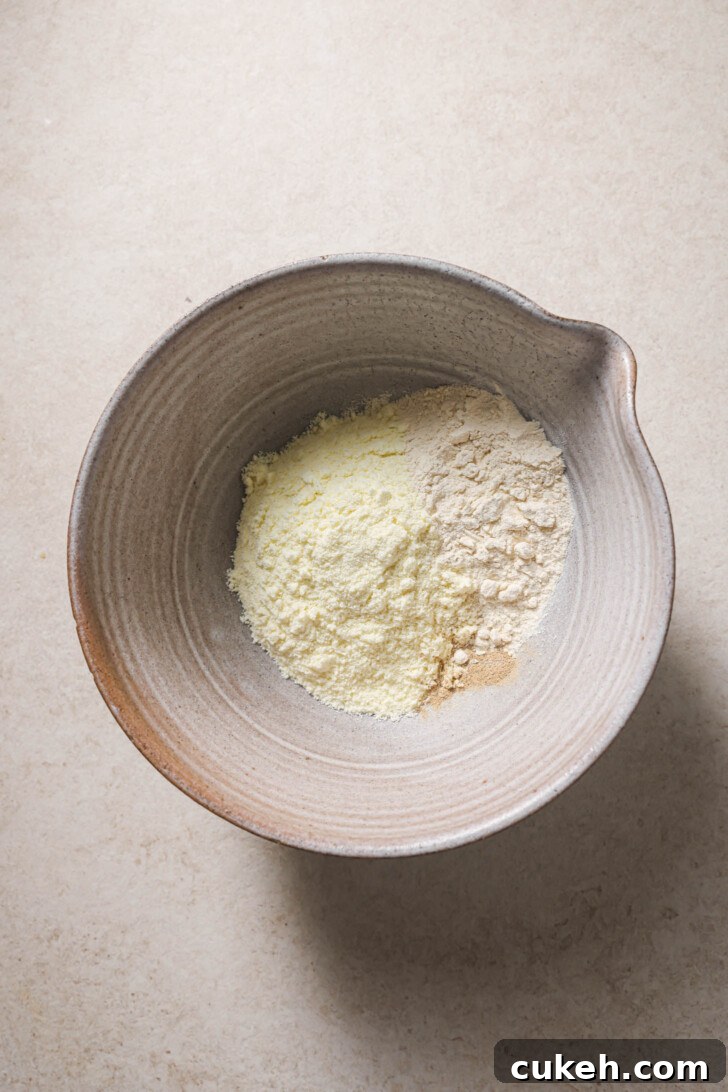
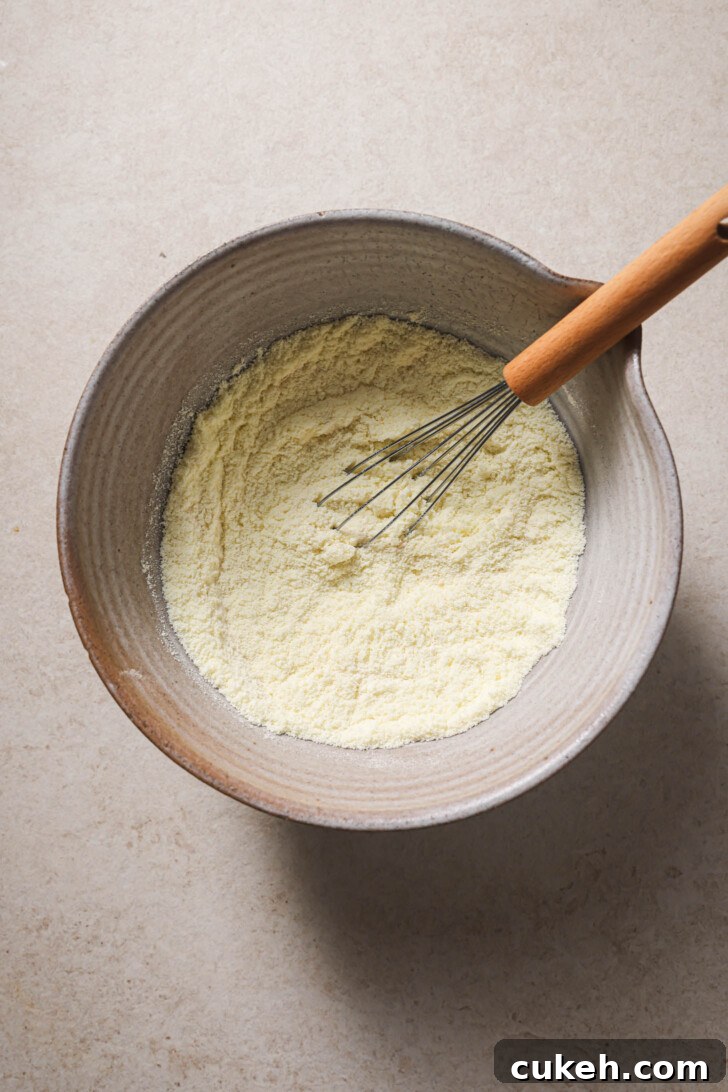
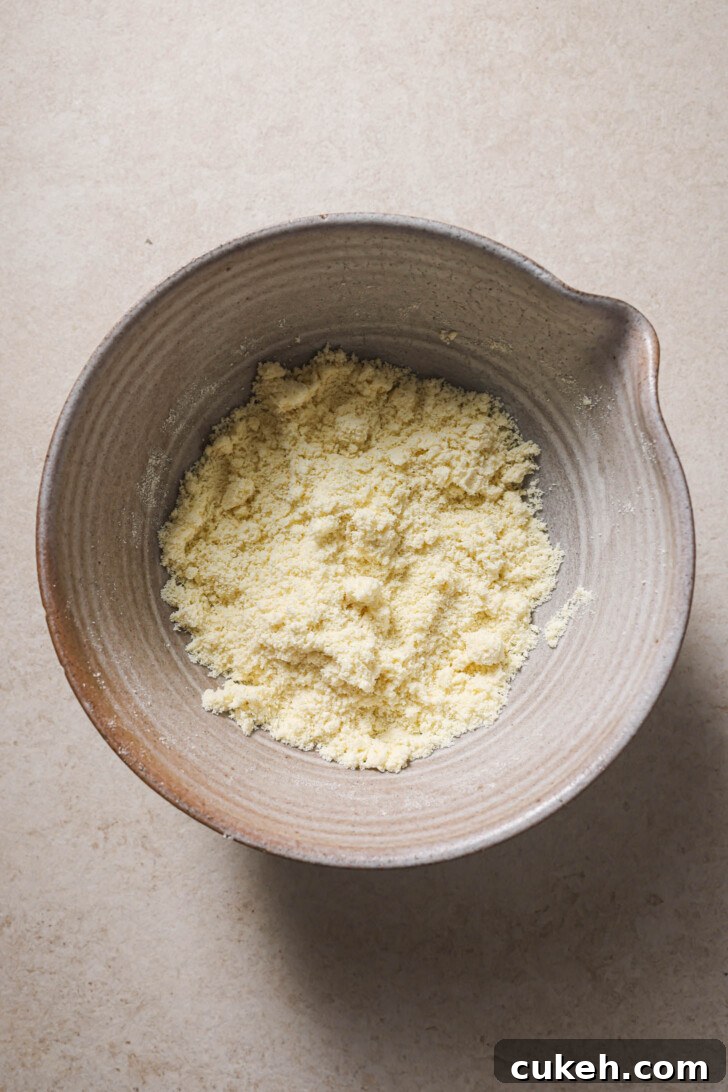
- Whisk the dry ingredients together. Add oil and rub it into the dry mix until crumbly — working with your hands is easiest.
- Add the whisked egg (measured) followed by the heavy cream. Mix briefly, just until combined — overmixing makes tough jamun. The dough will be a slightly sticky, non-cohesive mass. Cover and rest while you prepare the syrup.
Make the Sugar Syrup
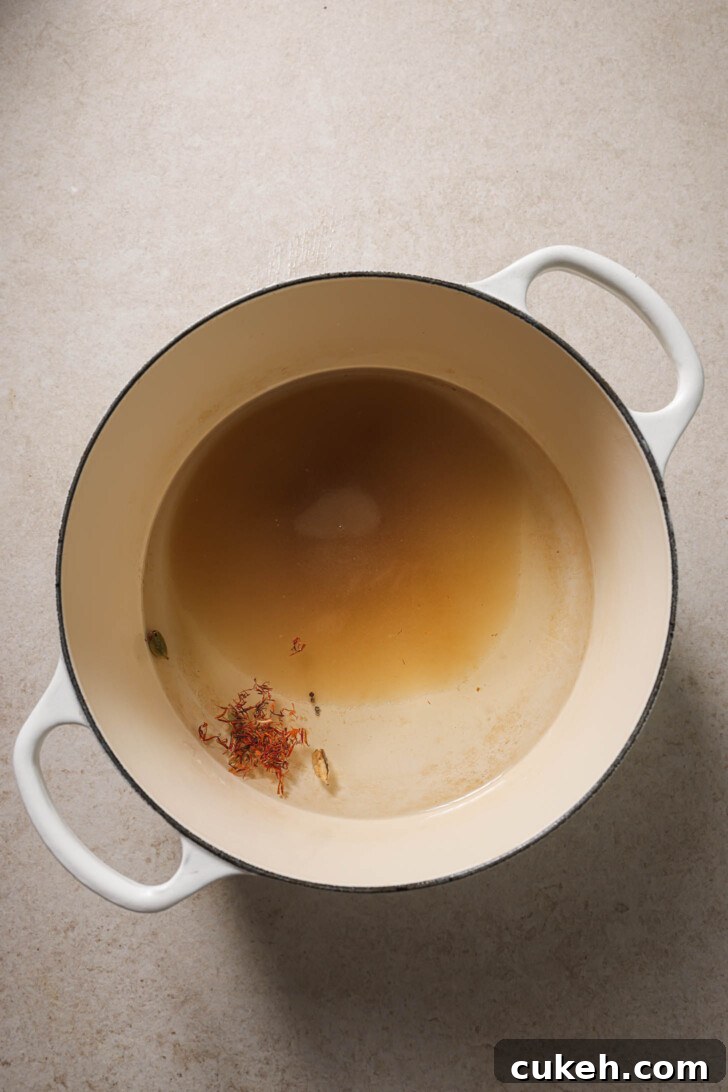
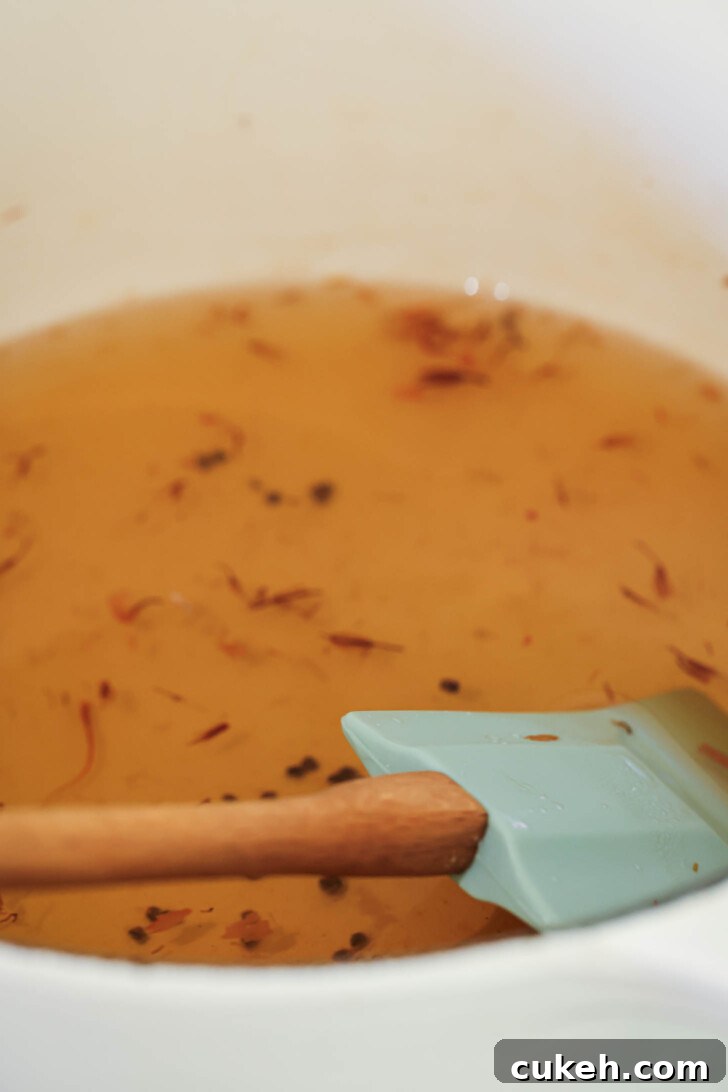
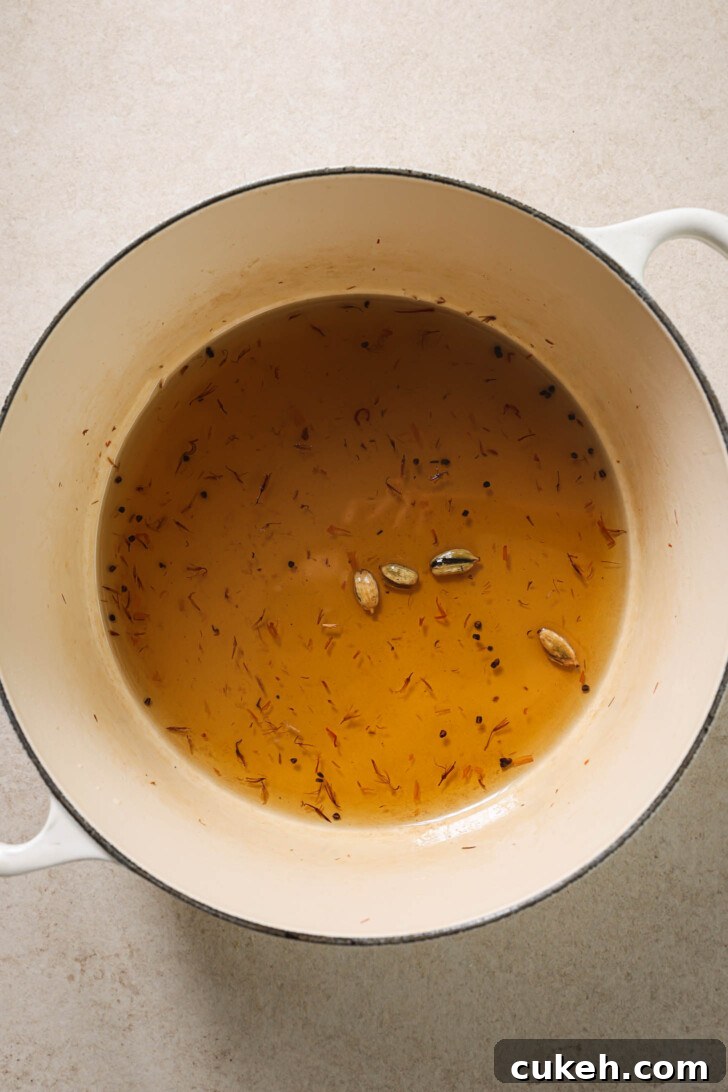
- Bring water, sugar, cardamom pods, and saffron to a boil, stirring until the sugar dissolves. Reduce to a gentle simmer until the syrup thickens slightly — it will continue to thicken as it cools. Keep the syrup hot but not aggressively boiling when you add the jamun.
Roll the Jamun
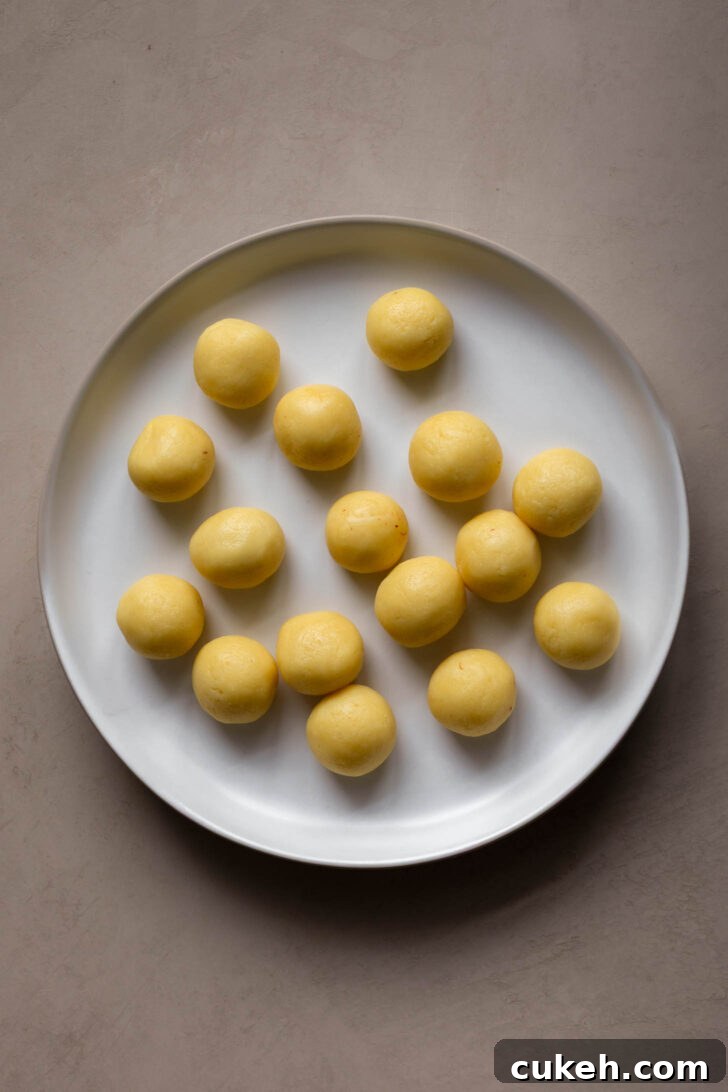
- Lightly oil your palms. Working quickly to prevent the dough from drying, scoop about 2 teaspoons (10–12 g) of dough and roll into a smooth ball, pressing firmly to remove air pockets and smooth the surface. Place finished balls on a plate and keep the remaining dough covered. This recipe yields about 14–16 small jamun; for larger ones use about 1 tablespoon (20 g) each.
Fry the Jamun
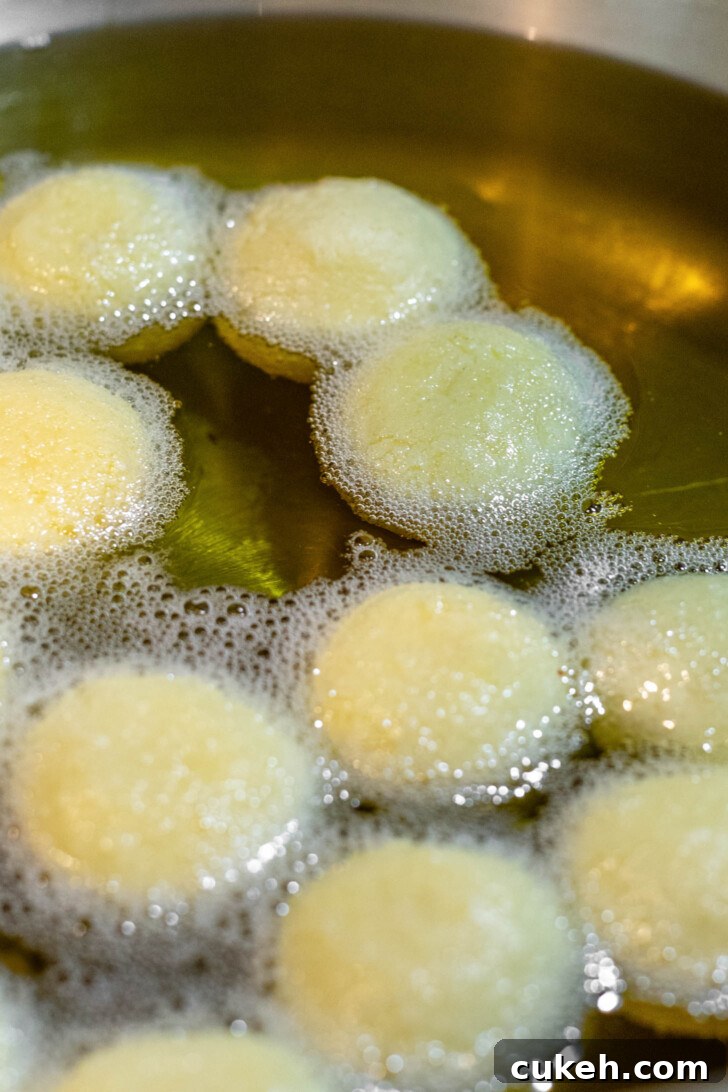
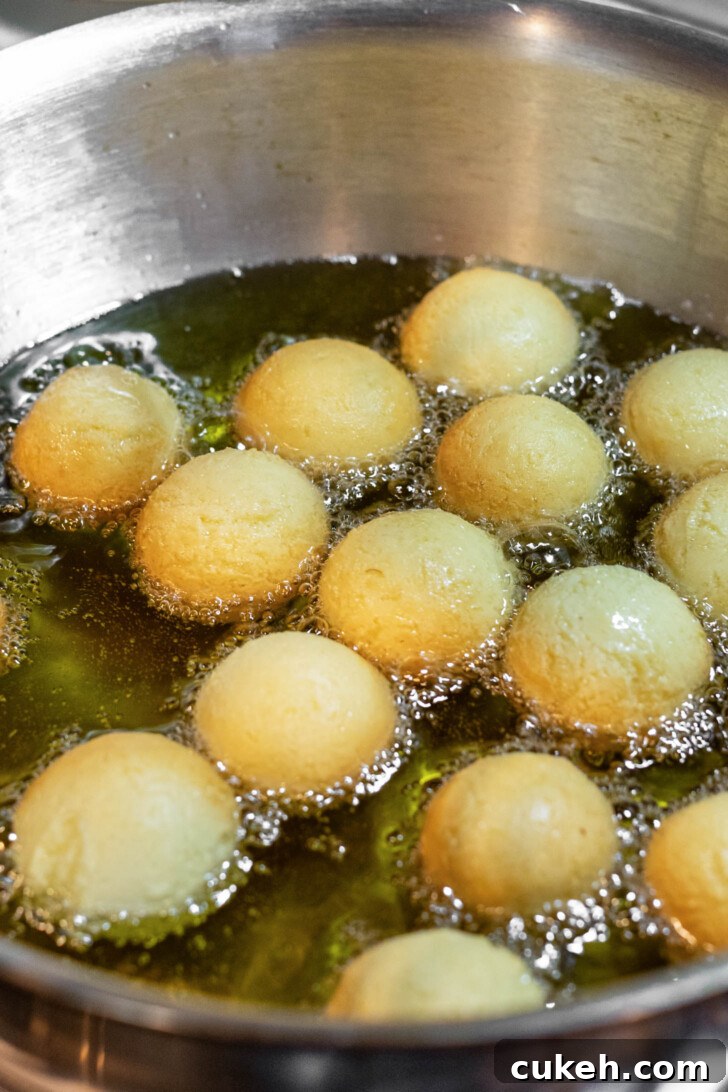
- Heat oil to medium-low (about 270–300°F / 132–149°C). Start on the lower side and increase as needed so the jamun cook through without browning too fast. Fry the balls, stirring and turning constantly, until evenly golden brown and cooked through, about 5–7 minutes depending on size. Remove to a paper towel-lined plate to drain excess oil.
Transfer to the Sugar Syrup
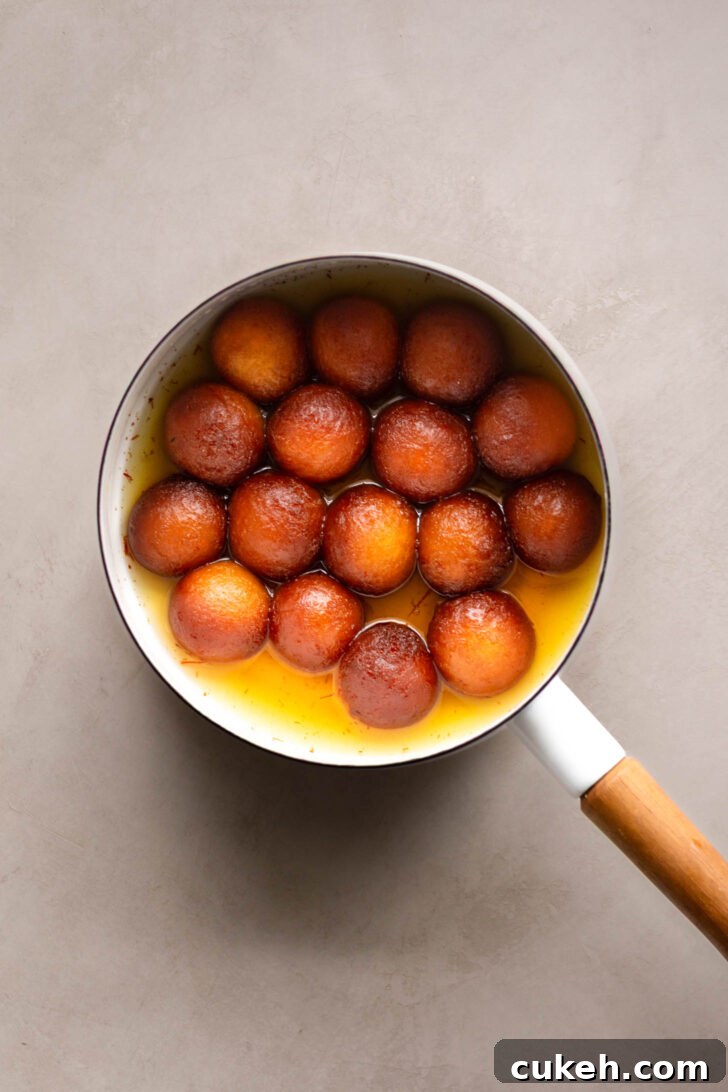
- Turn off the heat and transfer the fried jamun straight into the hot syrup (hot but not aggressively boiling). Gently toss to coat, cover with the lid slightly ajar, and let them soak for at least 30 minutes so they absorb syrup and become soft and juicy. Turn the jamun a couple of times during soaking to ensure even syrup absorption and prevent them from flattening.
Storing and Serving
- To store: Keep in an airtight container in the refrigerator for up to 5 days. You can also freeze and reheat later.
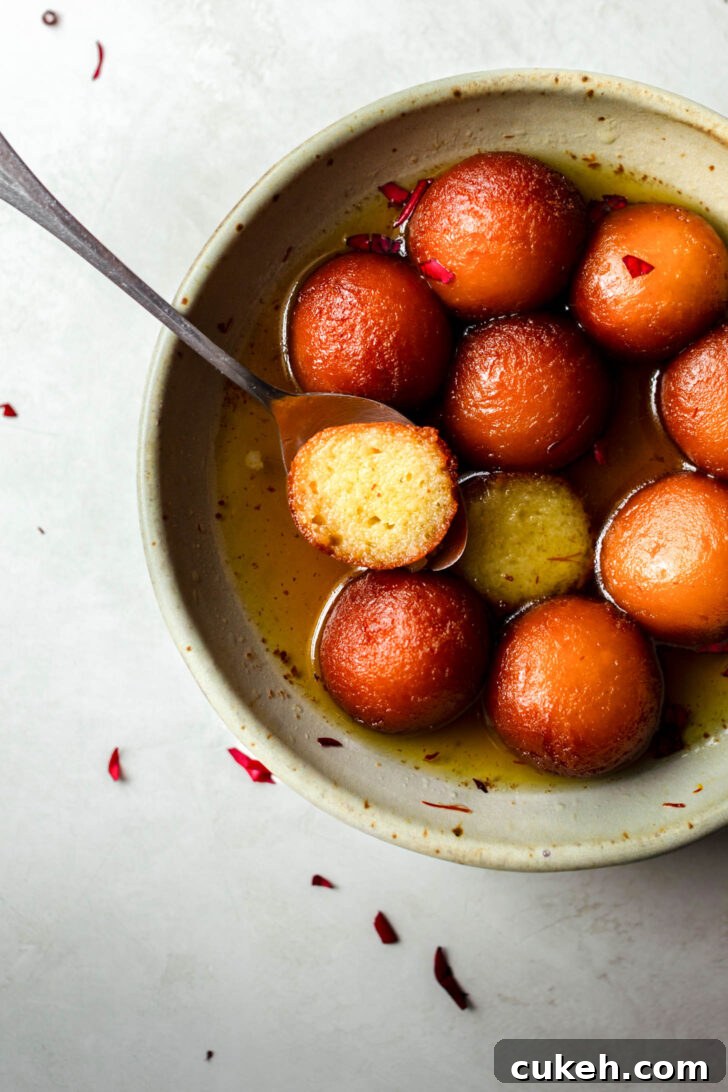
- To serve: These are best warm. Reheat in short intervals (15 seconds) in the microwave until heated through for the softest texture.
If you try this recipe, please consider leaving a comment to share how it turned out — photos are always welcome. I love seeing your results and hearing your feedback.
30-Minute Gulab Jamun (Soft, Juicy, Foolproof!)
Ingredients
- neutral oil, as needed for frying (grapeseed or avocado)
For the Jamun
- 1 cup Nido whole milk powder, do not use nonfat dry milk powder
- 2 tbsp original pancake mix (not complete), about 18 g
- pinch cardamom powder
- 1 tbsp neutral oil
- 45 g whisked egg, from ~1 small egg; weigh and use 45 g
- 2 tbsp heavy whipping cream
For the Sugar Syrup:
- 2 cups water
- 1 cup sugar
- 3-4 cardamom pods, slightly cracked
- pinch saffron strands
- 1/4 tsp rose water, optional
Instructions
-
Pour oil into a pan to a depth of about 1.5–2 in (4–5 cm). Heat on low while preparing dough so the oil is warming but not yet at frying temperature.
-
In a medium bowl whisk together milk powder, pancake mix, and cardamom powder.
-
Pour in the oil and rub it into the dry mixture with your hands until crumbly. Add the whisked egg, then the heavy cream, mixing briefly just until combined. The dough will be slightly sticky. Cover and rest about 10 minutes while you make the syrup.
-
Heat a wide saucepan over medium-high. Add water, sugar, cardamom pods, and saffron. Bring to a boil, stirring until sugar dissolves, then reduce to medium and simmer until the syrup thickens slightly.
-
Lightly oil your palms. Working quickly, portion about 2 tsp (10–12 g) of dough and roll into smooth balls, sealing any cracks and removing air pockets. Place on a plate and repeat. (Yields ~14–16 small jamun.)
-
Increase oil heat to medium-low (about 270–300°F / 132–149°C). Fry the jamun, stirring constantly, until evenly golden and cooked through, about 5–7 minutes. Drain on paper towels.
-
Turn off the heat. Transfer the fried jamun into the hot syrup and gently toss to coat. If using rose water, add it now. Cover with the lid slightly ajar and let sit 30 minutes so they absorb syrup — turn them a couple of times during soaking. Serve warm.
Notes
Note 2: The dough may feel sticky; lightly oil your hands and clasp the dough between your palms as you roll to smooth and remove air pockets. See the rolling technique video for guidance.
Note 3: If your burner retains heat (for example, induction), move the syrup to a cooler burner before soaking to avoid over-softening the jamun.
For larger jamun, use 1 tbsp (20 g) dough each to make about 8 large balls.