What is the Ketogenic Diet?
Many people assume the ketogenic diet is simply another low-carb plan. Traditional low-carb approaches often emphasize higher protein and reduced carbohydrates, as seen in diets like Atkins. The ketogenic diet—commonly called keto—is different: it prioritizes high fat, moderate protein, and very low carbohydrate intake. You may also see it referred to as LCHF (Low Carb High Fat) in forums and articles.
It’s the high-fat component that often intimidates people, particularly women, who are culturally encouraged to avoid fats. If you feel this way, I hope following my experiences will help shift your perspective. The key with keto is the macronutrient ratios. For therapeutic uses such as epilepsy or some cancer protocols, ratios are strict and should be overseen by a medical professional—those therapeutic regimens often provide more than 80% of calories from fat to boost ketone production.
For most people aiming to lose weight or improve metabolic health, the goal is to enter nutritional ketosis—where the body burns fat for fuel and produces ketones. When you reach ketosis your body is primarily burning fat, which is the desired outcome for many following this approach.
How Much Fat Should I Eat on Keto?
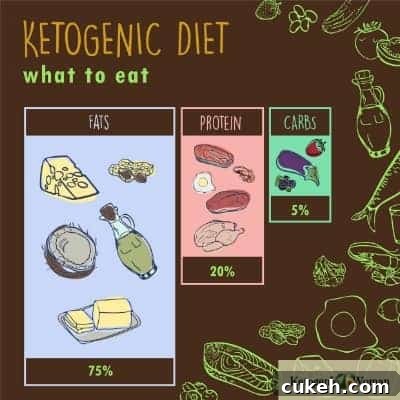 If you look into keto recommendations you’ll find a range of fat percentages. Most approaches start at around 60% of calories from fat and can go up to 90% or more—extreme versions at that level are sometimes called “fat fasts.” Many people do well on a 60–65% fat plan, but those with more disrupted metabolisms or prior yo-yo dieting may need higher fat ratios initially to reach ketosis quickly.
To accelerate my transition into ketosis I began with a macronutrient split of roughly 75% fat, 20% protein, and 5% carbohydrates. Tracking tools like Cronometer can help you hit these targets reliably; it’s available as a free app and web interface.
What Are Good Fats for Ketosis?
On a 1,200-calorie plan, 75% fat equals about 900 calories from fat. That can be achieved with foods such as avocados, macadamia nuts in moderation, coconut oil, olive oil, and butter. Since a tablespoon of oil is roughly 100 calories, hitting fat targets is straightforward once you plan meals.
After establishing and stabilizing ketosis, many people shift to a slightly lower fat intake—around 65–70% fat with 25–30% protein and 5% carbs—while monitoring weight and how they feel. Individual needs vary: some may remain successful at 60% fat while others need to push above 80% for a period. Tracking and adjusting based on results is the practical approach.
If you’re unsure what a week of keto meals looks like, a “Getting Started” guide or sample meal plan can be extremely helpful. Regardless of the keto style you choose, planning and logging food—especially when you’re new—are essential to progress.
What is Classic (Clean) Keto?
Classic or clean keto limits carbohydrates and balances protein and fat according to targeted macros. Typical keto macronutrient ranges are about 5% carbs, 10–25% protein, and 65–85% fat. Clean keto emphasizes whole, high-quality foods: olive oil, coconut oil, avocados, organic or minimally processed proteins, and plenty of non-starchy vegetables. Those following clean keto generally avoid sugar, highly processed foods, and commercial “keto” packaged snacks.
What is Lazy Keto?
Lazy keto can mean a few things. Some people simply avoid carbs without tracking other macros, while others track only carbohydrate grams—keeping carbs under a target like 20 grams per day—and don’t log fat or protein. Lazy keto can work for maintaining weight after initial loss, but if progress stalls people often return to tracking all macros or “cleaning up” food choices to resume weight loss.
What is Dirty Keto?
Dirty keto focuses on hitting macro targets without concern for food quality. While macros remain similar to classic keto, followers may rely on processed keto bars, fast-food options tailored to macros, and convenience items regardless of ingredient quality. Dirty keto can help people stay within carb limits when life is busy, though some may experience less favorable health outcomes if nutrient quality is poor over time.
Which Version is Best?
Each approach—classic (clean), lazy, and dirty—has advantages and use cases. People often move between styles depending on life circumstances: travel, work stress, or social events can shift choices temporarily. Clean keto is ideal for long-term health and consistent results, but a flexible mindset helps sustain the approach over time.
Personally, I aim for clean keto most of the time, but I don’t always succeed. I cycle between strict tracking, more relaxed lazy keto, and occasional dirty-keto choices. Those transitions are normal and can be practical rather than judgmental. The best approach is the one you can maintain while reaching your health goals.
Read More About the Keto Diet
Guides and practical how-tos to help you navigate low-carb eating and the keto lifestyle.
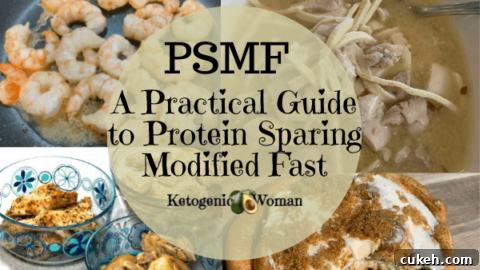
What is the PSMF Diet? A Practical Guide to the Protein Sparing Modified Fast
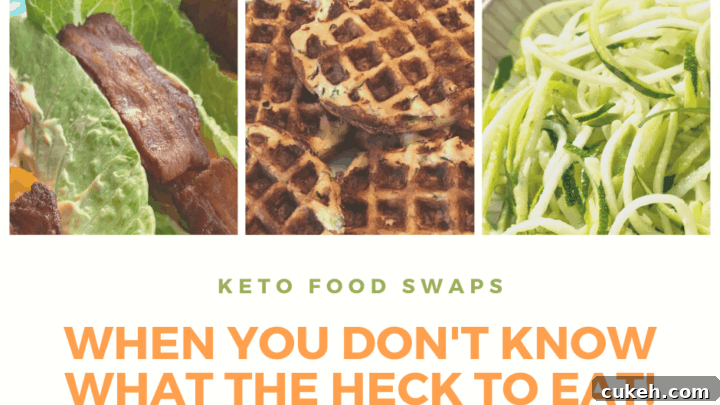
Easy Low Carb Food Swaps for Keto Beginners!
There’s no need to give up your favorite foods when you go keto—we have a swap for that!
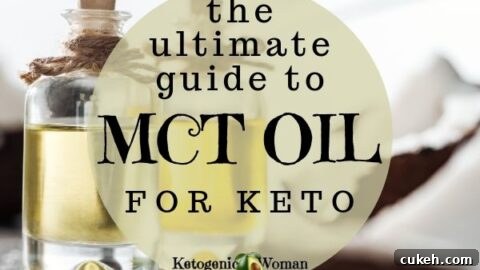
The Ultimate Guide to MCT Oil for Keto
All your questions answered about MCT oil for keto and how to use it.
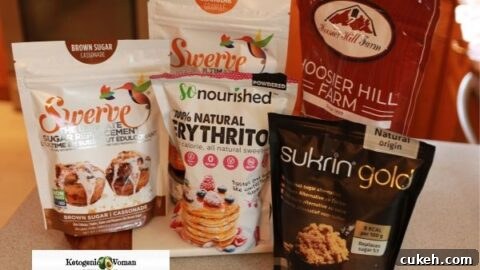
The Best Sweeteners for Keto and Low Carb
Which sweeteners work best on the keto diet and which to avoid?
Get Into Ketosis Fast with Coconut Oil on the Ketogenic Diet
This is why coconut oil is useful on the keto diet.
Low Carb High Fat (LCHF) Diet Explained – Is it Extreme or Healthy?
Read some of the science behind the keto approach.

The Best Homemade Electrolyte Drink to Beat Keto Flu Fast
If you’re starting keto, this drink helps prevent the electrolyte issues that cause the “keto flu.”
What is Keto Flu and How You Can Feel Better Fast!
When starting keto, these tips can quickly relieve common symptoms.
What Are Good Fats for Ketosis? A Primer on Fats and Oils for Keto
There’s a lot of confusion about fats—this primer helps clarify which to use.
How to Do the Keto Diet On a Budget – 12 Tips to Save You Money!
Practical tips to follow keto affordably.
What is The Keto Egg Diet Weight Loss Fast? Blast Through a Plateau With Eggs!
A targeted approach to break a weight-loss stall with eggs.
Keto Diet for Women Book Review
Why women may need tailored keto information.
7 Reasons You Stopped Losing Weight and How to Fix a Keto Weight Loss Plateau Fast!
Solutions to get past a keto weight-loss stall.