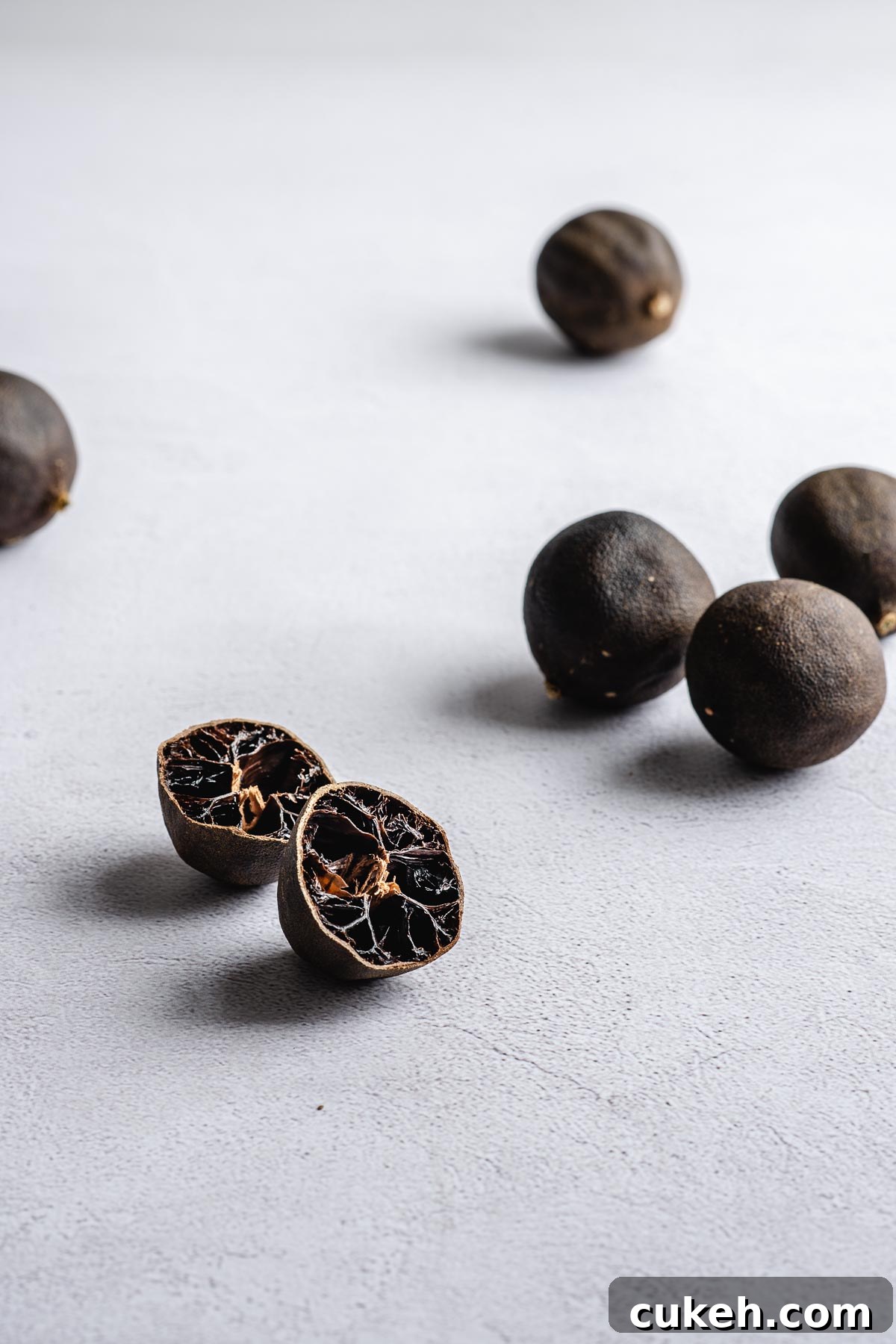
Like many home cooks and cookbook lovers, I first came across black limes in Yotam Ottolenghi and Ixta Belfrage’s book Flavour. I was instantly taken with Noor Murad’s Black Lime Tofu and, unable to buy black limes where I live, decided to make them at home.
The method is simple and very satisfying. It does take time, and depending on humidity and temperature you may need to leave the oven on low for extended stretches, but making a large batch is worth the effort. The dried limes keep for months in a pantry, and while they dry your house will fill with a bright citrus aroma.
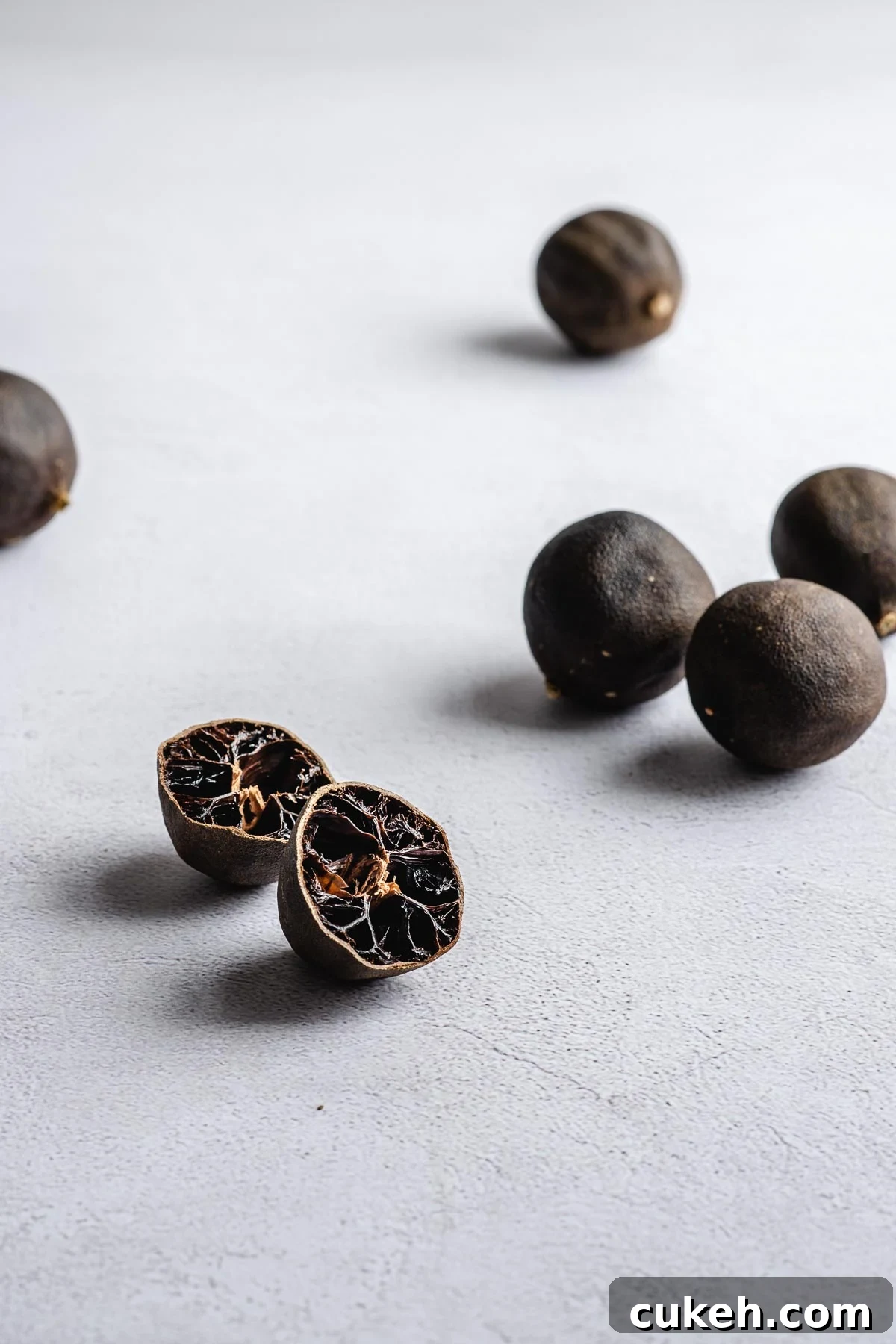
What are black limes?
Black limes—also called dried limes, noomi basra in Iraq, limoo amani in Iran and loomi in Oman—are whole limes that have been blanched and dried until they turn dark brown to almost black. Traditional methods use sun drying, but they can also be dehydrated or dried in a low oven. The result is a concentrated, tart-citrus flavour that adds depth to soups, stews and rice dishes.
How to make black dried limes
The technique is straightforward. Follow these steps for reliable results:
- Step 1: Choose fresh thin-skinned limes, preferably Persian (Tahiti) limes.
- Step 2: Blanch the limes in salted boiling water for 60–90 seconds.
- Step 3: Shock them in an ice bath to stop the cooking.
- Step 4: Dry the limes until they become light, hard and dark brown or black.
Start with fresh Persian limes
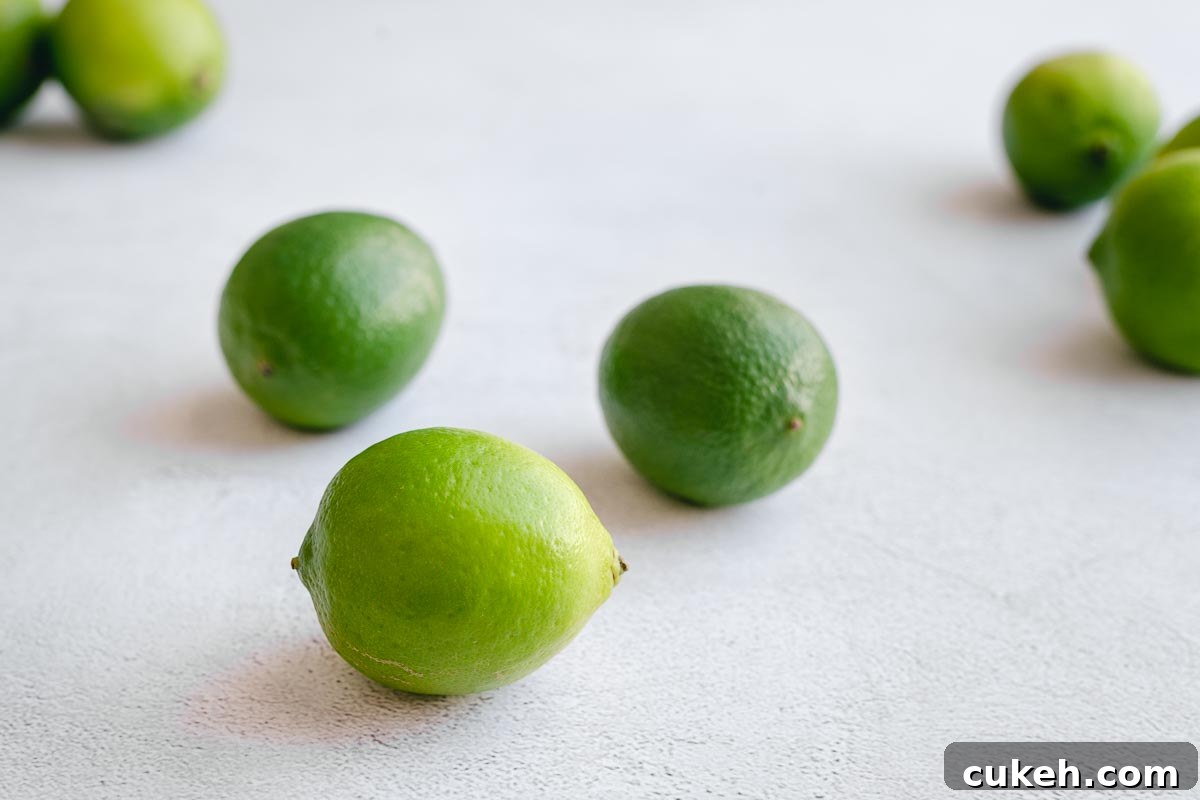
Persian limes are traditional, and many supermarkets label the common seedless limes as Tahiti (a cultivar of Persian lime). Any thin-skinned lime will work—seeds aren’t a problem if you plan to grind the limes into powder, but remove seeds if you’ll use whole limes in dishes so they don’t end up in the bowl.
Choose unbruised fruit where possible. If you use shop-bought limes that are waxed, blanching will help loosen the coating so you can rub it off before drying.
Briefly boil in salted water
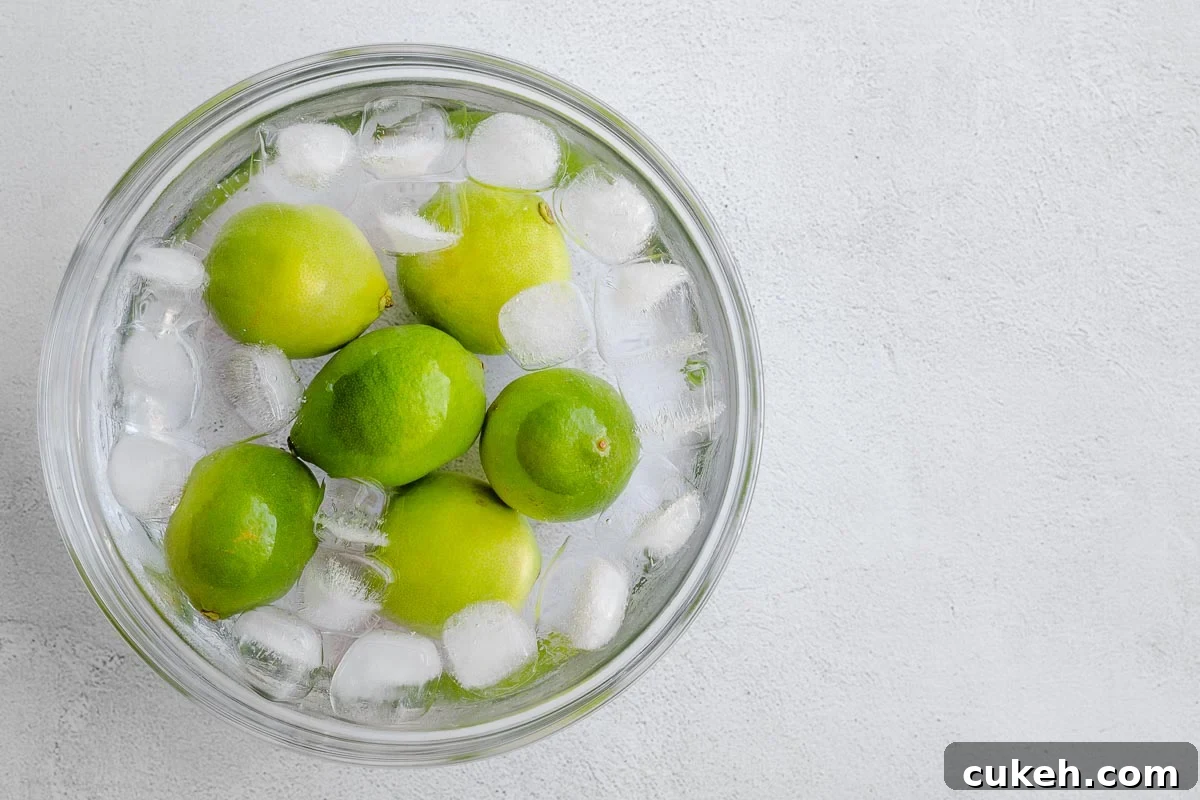
Prepare an ice bath large enough to hold the limes and chill the water with plenty of ice. Fill a pot with enough water to cover the limes and bring it to a rolling boil. I prefer to add 1 teaspoon of salt per litre of water—salt may help with hygiene and doesn’t noticeably change flavour, but it’s optional.
When the water is boiling, add the limes and blanch for 60 to 90 seconds—do not exceed 90 seconds—then remove them with a slotted spoon and immediately plunge them into the ice bath to stop the cooking.
Immediately chill to stop the cooking process
Leave the limes in the ice bath until fully cooled, then dry them thoroughly with a clean towel. If any wax or residue remains, a firm rub will remove it.
Dry the limes
Drying can be done in the sun, in a dehydrator, or in a low oven. If sun drying is an option, place limes on a rack in direct sun and rotate them through the day; bring them indoors at night. I live near the coast where humidity can slow sun drying, so I use a combination: sun during the day and a low oven at night. Set a conventional oven to about 70 °C (158 °F) or use the oven’s lowest setting. Place limes directly on the oven bars or on a cooling rack so air can circulate.
Rotate the limes every few hours for even drying. Drying takes roughly 2–5 days depending on method and climate. The limes are done when they feel very light, are rock hard and have darkened to brown or black. For safety, turn the oven off whenever you leave the house or go to bed.
Store dried black limes in an airtight container in a dark cupboard; they will keep for months.
How to make black lime powder
To make powder, bash the dried limes into pieces with a heavy skillet on a board. Remove any seeds before grinding. Use a spice grinder, blender or mortar and pestle to grind to a fine powder. Store the powder in a sealed jar. Powder takes up less space and is great for finishing dishes—use it like sumac or as part of a citrus finishing salt.
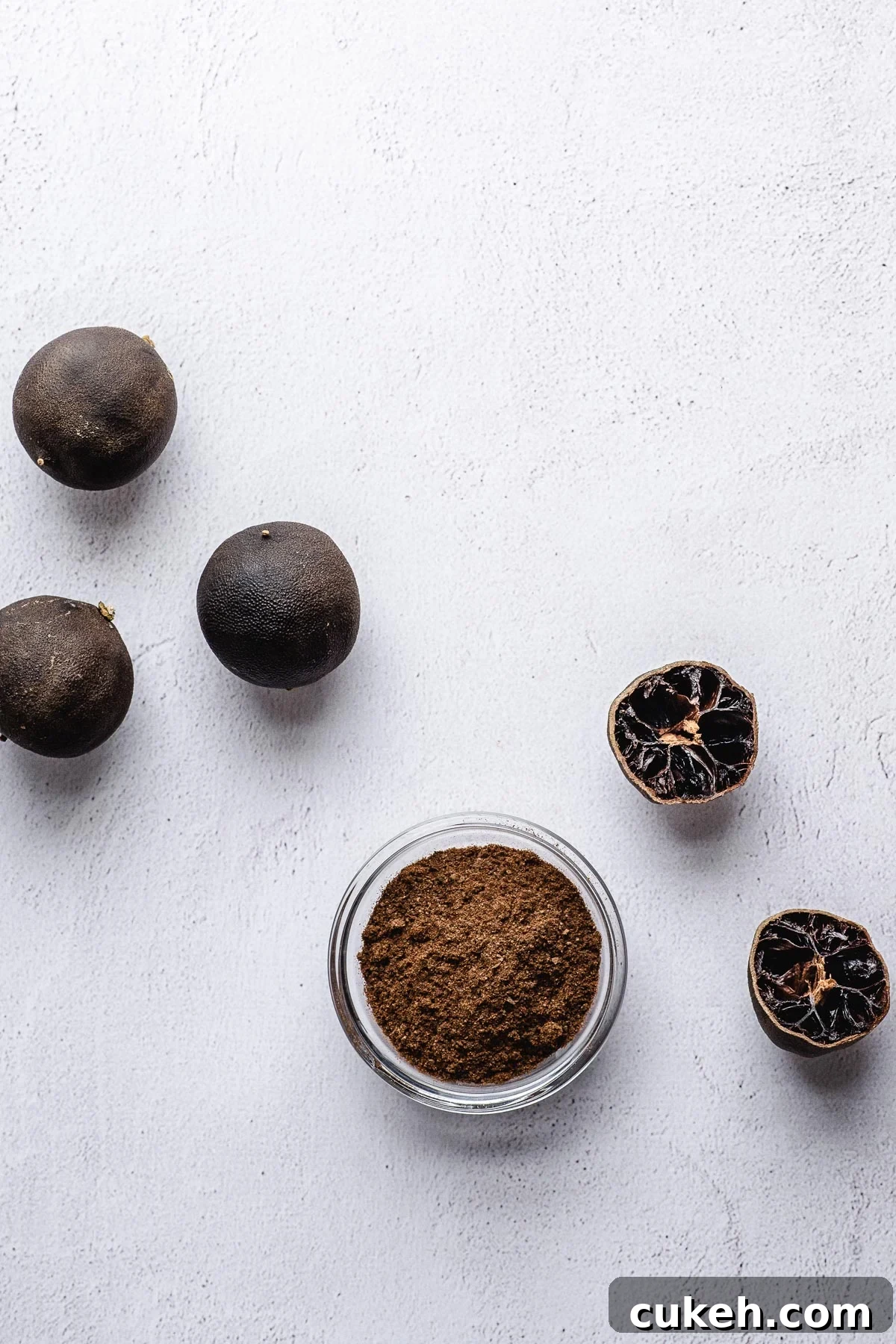
How to use black dried limes
Black limes deliver concentrated acidity and a deep zesty aroma. Use ground black lime like sumac on salads, grains and roasted vegetables, or add whole limes to simmering soups and stews for an extended citrus note. Traditional use involves piercing the whole lime so the flavours can seep out; if your limes are rock hard, soak them in boiling water to soften before cutting or piercing and use the soaking liquid in your dish.
For a simple finishing salt, mix 4 tablespoons of flaked sea salt with 1/2 teaspoon black lime powder and sprinkle over salads, eggs or roasted veg. For cocktails, a black lime salt rim makes a tangy twist on a Margarita.
Black lime recipe ideas
- Use slices or softened whole black limes in stews like Persian aubergine or other slow-simmered dishes.
- Make a black lime yoghurt dressing for salads with roasted vegetables or artichokes and goat cheese.
- Sprinkle black lime powder over boiled eggs, grains or roasted vegetables for a citrusy lift.
- Quickly pan-fry cubes of bread tossed in olive oil, chilli and a pinch of black lime powder for croutons with a kick.
Black limes are a small pantry secret that brightens many dishes—give them a try.
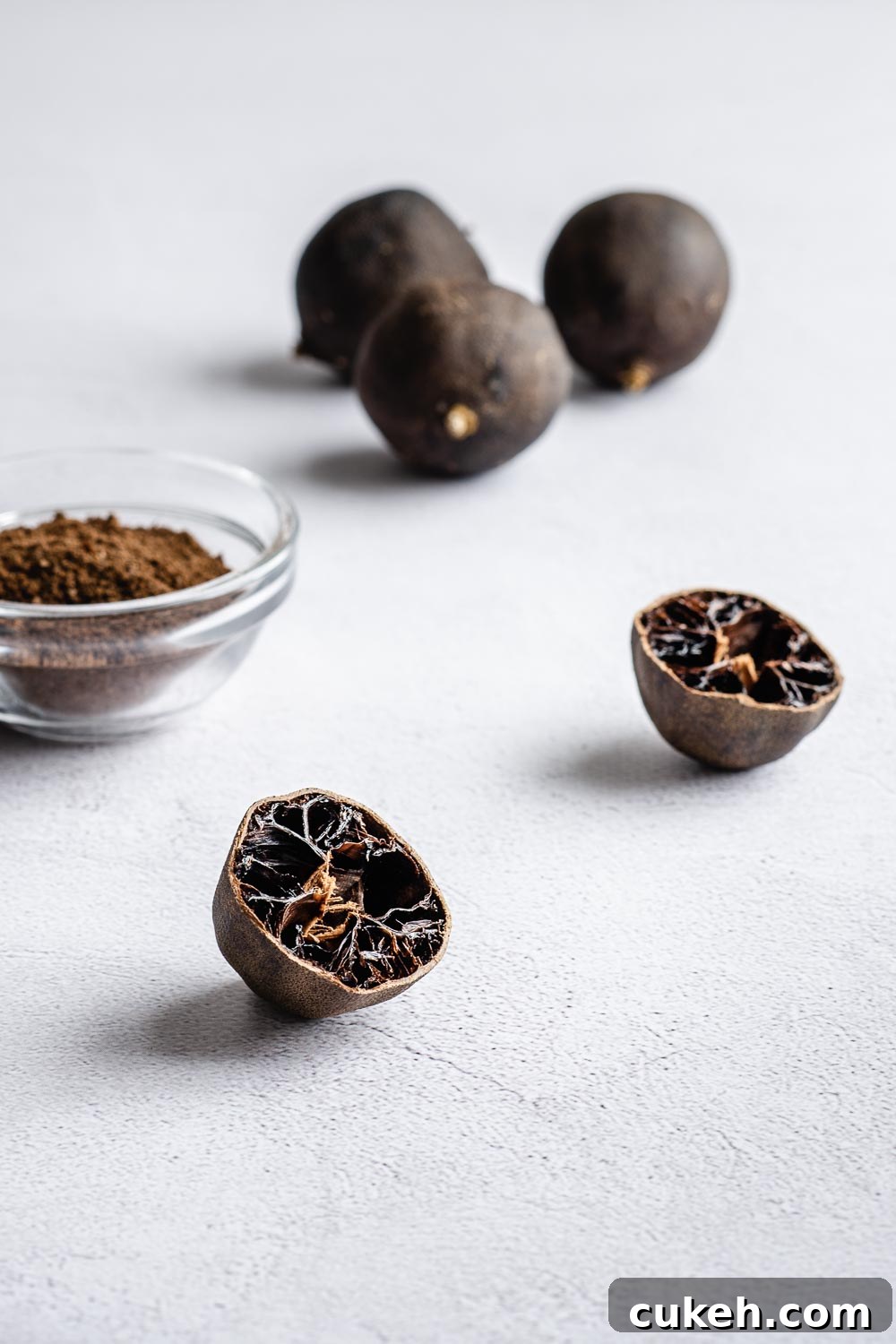
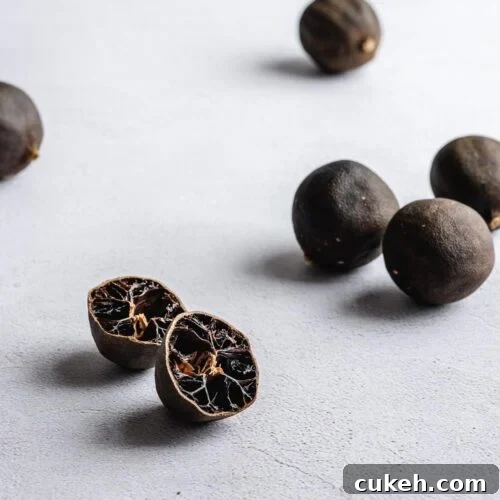
How to Make Black Limes
Print
Pin
Once dried, the limes will keep for months stored at room temperature in a sealed container. It is well worth making a large batch of dried limes.
Add a whole black lime to soups and stews in need of a citrus kick. Or grind it into a powder that is ready to sprinkle on any salad, stew or grain.
Equipment
-
No special equipment is required. Sun, oven or dehydrator will work. A spice grinder, blender or mortar and pestle is useful for powder.
Ingredients
- 10 fresh limes, preferably Persian or other thin-skinned seedless cultivars
- sea salt
Instructions
-
Add water to a pot—enough to cover the limes—and stir in 1 teaspoon sea salt per litre. Bring to a rolling boil without the limes.
-
While the water heats, prepare an ice bath with plenty of ice and cold water in a container large enough for the limes.
-
When the water boils, add the limes for 60–90 seconds, then remove with a slotted spoon.
-
Drop the limes straight into the ice bath and let them cool. Drain and dry thoroughly, rubbing any remaining wax off with a towel.
-
Dry in direct sun or in an oven set to a low temperature (around 65–95 °C / 150–200 °F). Place limes on oven bars or a rack for good air circulation and rotate them every few hours. Dry until dark, light in weight and hard—about 2–5 days depending on method.
-
Store whole limes in an airtight container at room temperature for months. To make powder, bash the dried limes into pieces, remove any seeds and grind to a fine powder. Store sealed and use to season dishes.
Notes
- IMPORTANT: Turn the oven off whenever it will be unsupervised—when you leave the house or go to bed—and use your own judgement about what is safe in your environment.
- I often use a combination of sun and oven drying, using residual oven heat after cooking. That approach typically takes about three days.
- Place limes on oven bars or a cooling rack to encourage airflow and rotate them regularly for even drying.
- If you need the oven while limes are drying, remove the limes and return them when the oven has cooled to the appropriate temperature.
- For long storage or to make powder, dry the limes until almost black and very light. If you plan to use whole limes soon, stop at brown so they are easier to pierce.
- Soften rock-hard limes in boiling water before piercing, and use the soaking liquid in your cooking for extra citrus flavour.
Looking for black lime recipes?
Try these delicious recipes that feature black limes.
- Persian aubergine stew with black lime
- Harissa shakshuka with black lime marinated feta
- Artichoke salad with goat’s cheese and black lime yoghurt dressing
- Tomato pomegranate salad with black lime onions
Some recommended cookbooks featuring black limes:
- Ottolenghi Flavour by Yotam Ottolenghi, Ixta Belfrage and Tara Wigley
- Ottolenghi Test Kitchen: Shelf Love by Noor Murad and Yotam Ottolenghi