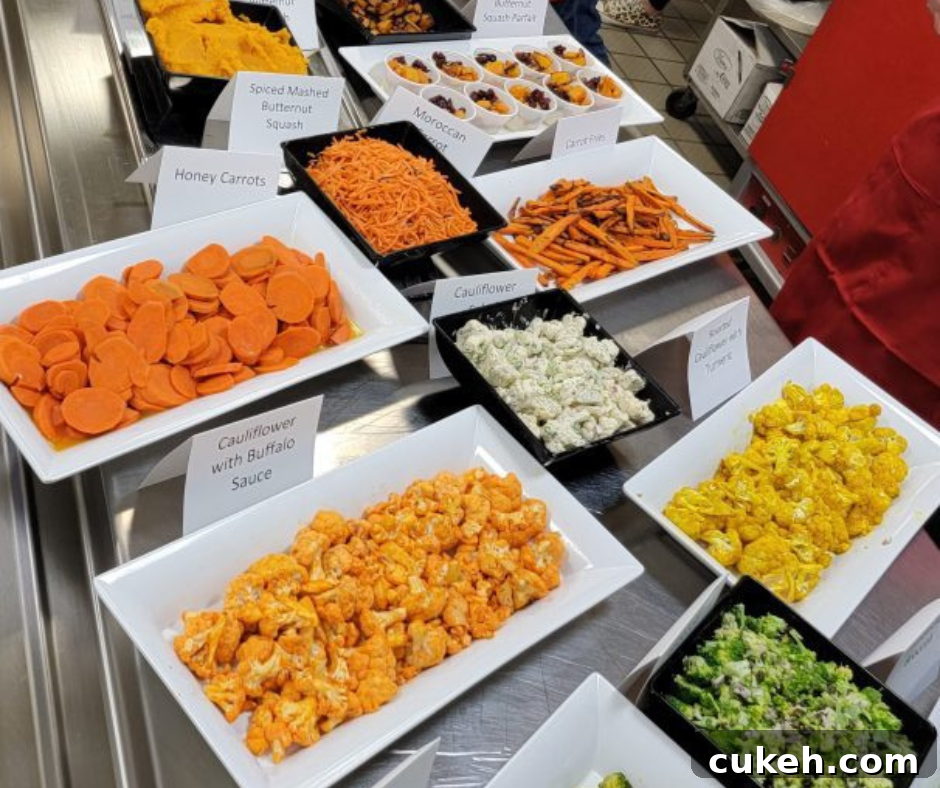
There are many ways to prepare vegetables—roasting, glazing, and steaming among them—to boost flavor and appeal. Using proper cooking techniques is essential to encouraging students to eat more vegetables.
What is Steaming?
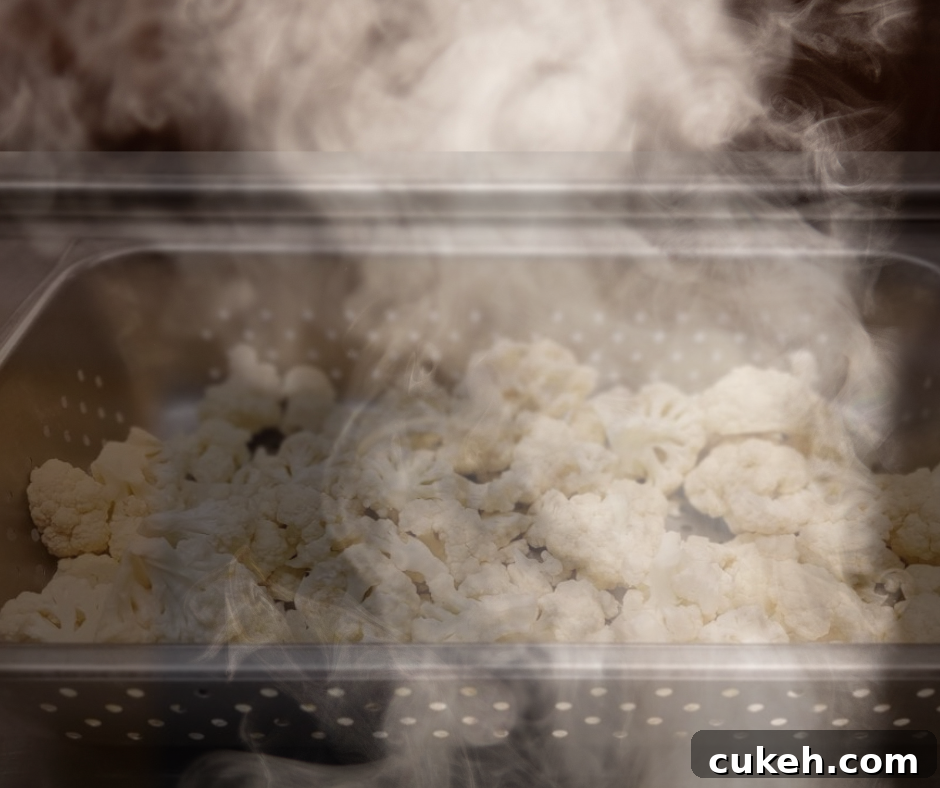
Steaming is a moist-heat cooking method that uses the steam from boiling water to cook vegetables. Once vegetables are steamed properly, you can finish them with seasonings, citrus zest, or sauces to enhance flavor. Steaming works well for both fresh and frozen produce.
Steaming is widely used in school nutrition kitchens because it cooks quickly and is simple to prepare. It’s important to steam correctly to preserve quality and appeal. If a student’s first experience with broccoli is a soggy scoop from a steam table after hours of holding, they may form a negative impression. Proper steaming techniques maintain appearance, texture, and flavor, which helps increase consumption.
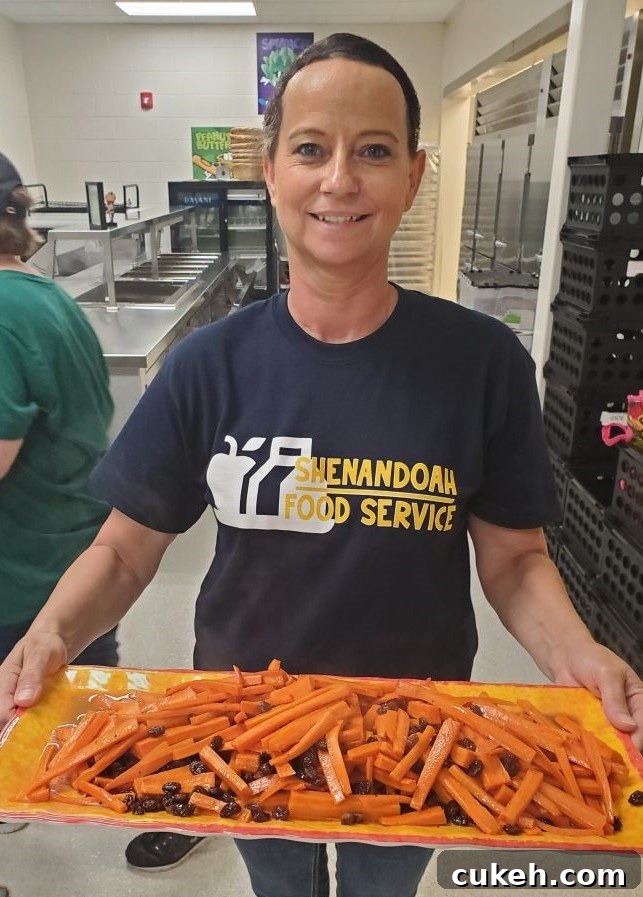
Orange Glazed Carrots are a crowd-pleasing side with orange, cinnamon, and nutmeg. Adding raisins or dried cranberries brings a pleasant sweetness and texture.
Try Lemon Zest Broccoli for a bright, flavorful vegetable side that’s easy to prepare.
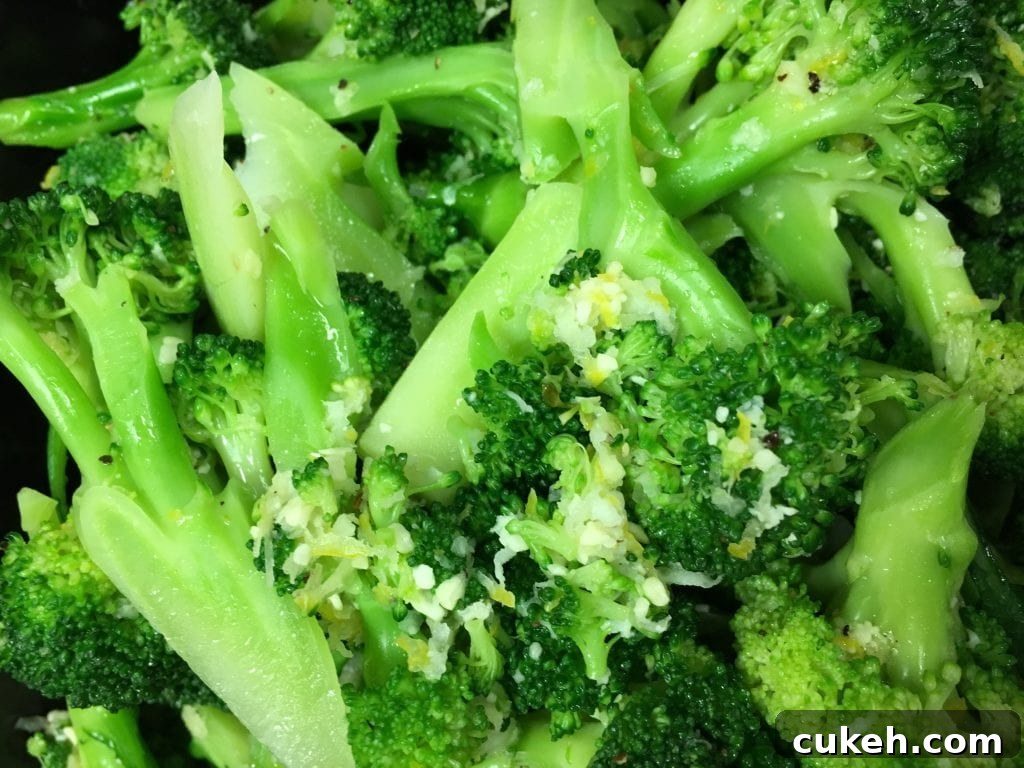
Lemon Zest Broccoli
This broccoli side balances a subtle tang from lemon zest with Parmesan, salt, pepper, and olive oil. Perfectly steamed, it’s simple, bright, and delicious.
Proper Techniques for Steaming Vegetables
Follow these key tips to ensure steamed vegetables stay appealing and maintain quality through service:
- Always use a perforated pan for steaming to allow even circulation of steam. This helps pieces on the bottom cook at the same rate as those on top.
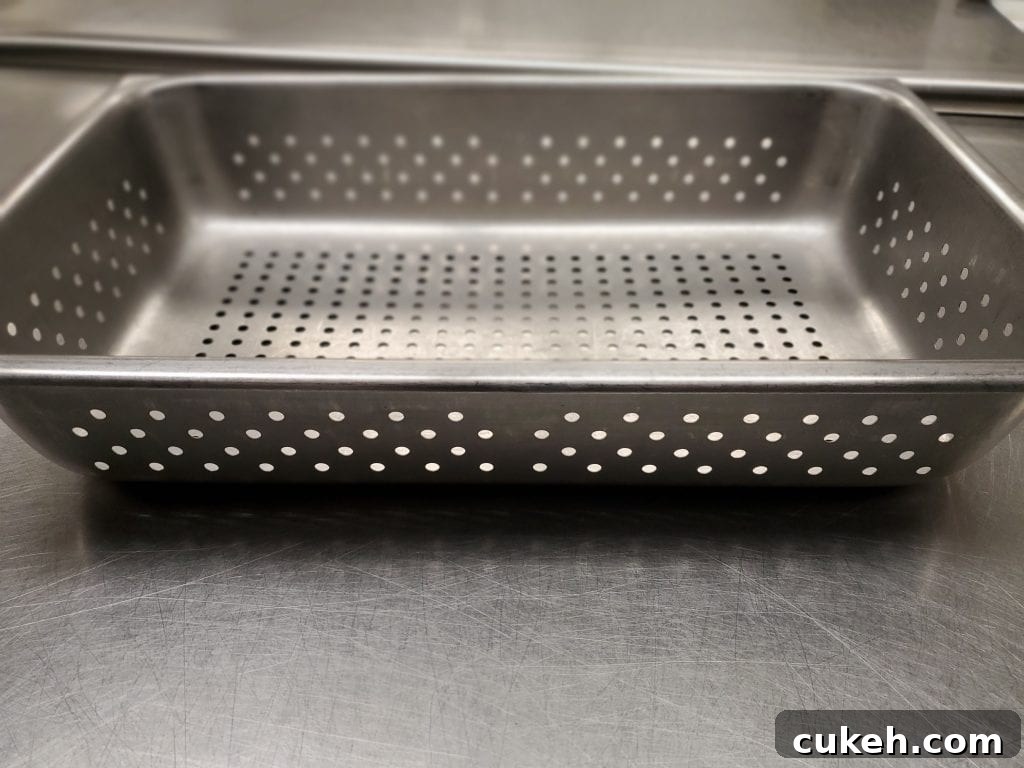
- Do not place the perforated pan inside a solid pan before steaming. Doing so blocks steam circulation and defeats the purpose of the perforated pan. If you’re concerned about mess, place a sheet pan in the bottom slot of the steamer to catch debris.
- Use a 4-inch deep steam table pan. This depth prevents overcrowding—fill only to where the perforated portion ends.
- Cut vegetables into uniform sizes so they cook evenly and present well.
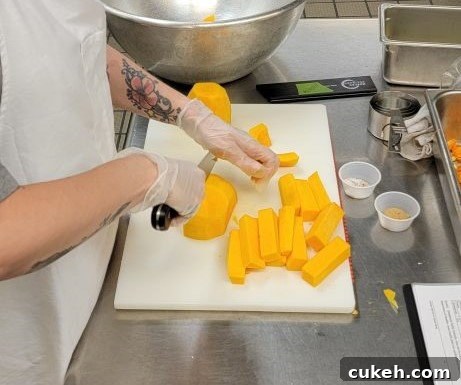
- Do not cover vegetables while steaming; you want steam to reach the food directly to cook it properly.
- Remember that steam tables continue to cook. Only place properly steamed vegetables on the steam table when you are ready to serve to avoid overcooking.
- Steam vegetables as close to service time as possible for best texture and color.
- If you must hold steamed vegetables, keep them uncovered in the warmer to avoid sogginess.
- Thaw frozen vegetables before steaming. Thawing promotes even cooking and prevents overcooking. For prep efficiency, thaw frozen vegetables overnight in perforated pans placed inside solid hotel pans in refrigeration; remove the solid pan before steaming.
- Always season steamed vegetables after cooking so seasonings don’t end up in the bottom of the steamer.
- Use sauces, spice blends, or citrus zest to boost flavor. Avoid adding citrus juice to green vegetables—use zest instead to prevent discoloration.
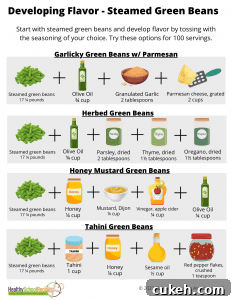
Download an idea sheet for developing flavor in steamed green beans to inspire new seasoning combinations.
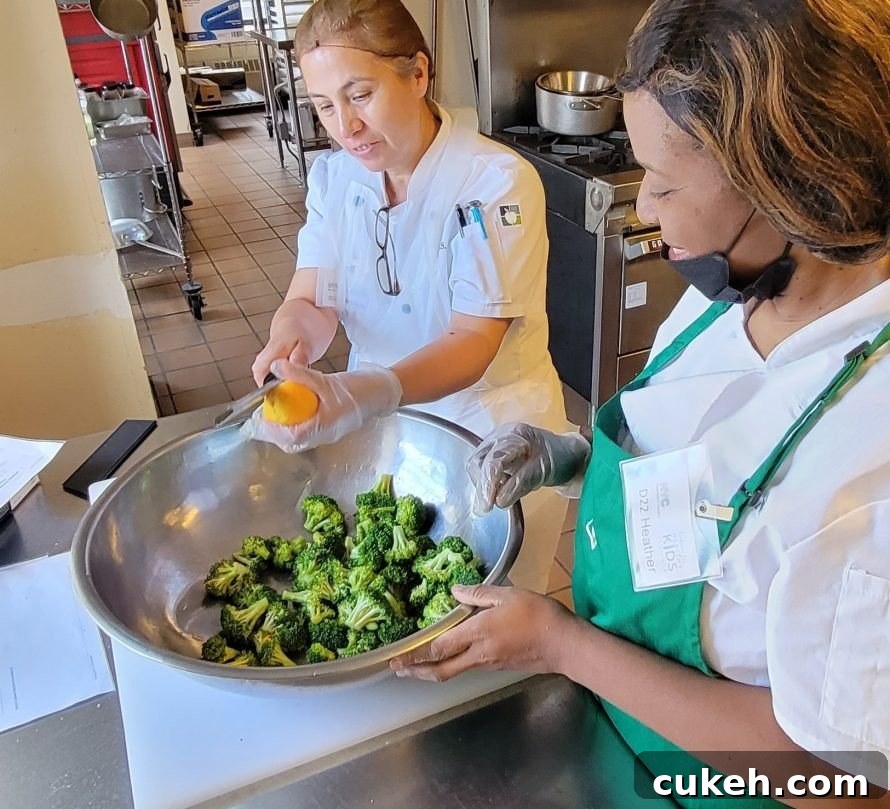
Citrus zest adds bright flavor to green vegetables without the risk of discoloring them. A microplane is an inexpensive, effective tool for zesting lemons, limes, and oranges.
Tasty Green Bean Toss combines steamed green beans with olive oil, garlic, and almonds for a flavorful side. If you operate in a nut-free environment, omit the almonds and retain the other seasonings for great taste.
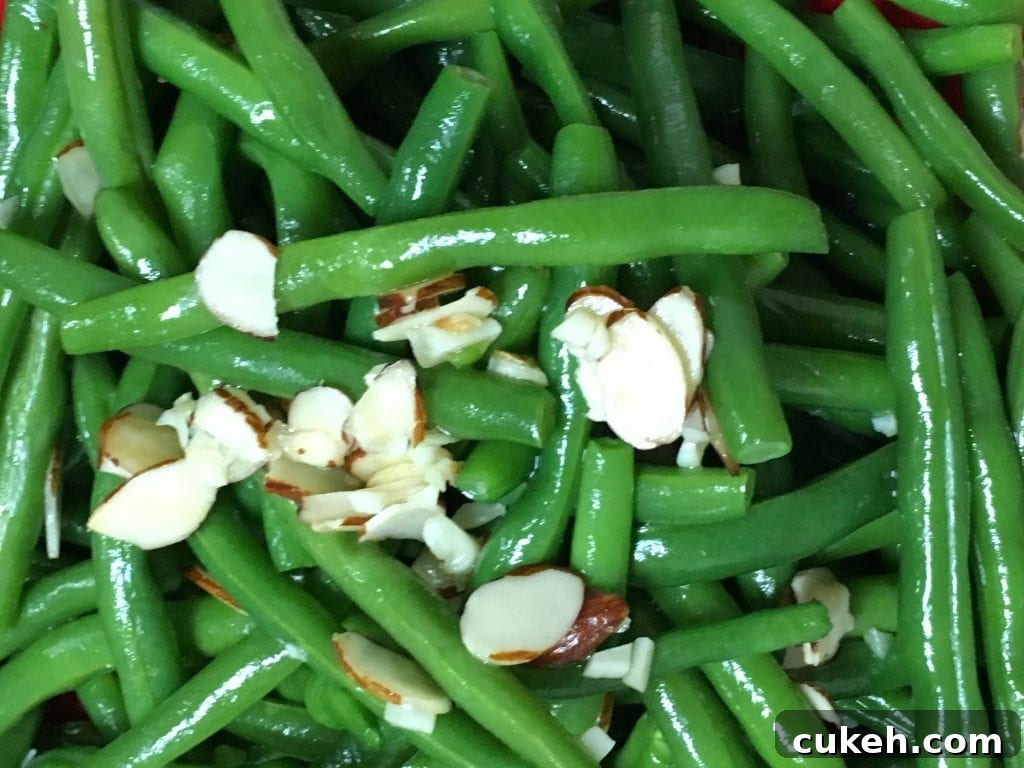
Tasty Green Bean Toss
Students notice the difference when you serve steamed fresh or properly thawed frozen green beans instead of canned. Improved color, texture, and flavor make them more appealing and increase consumption.