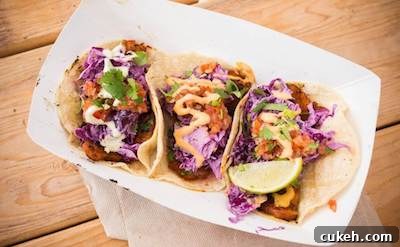
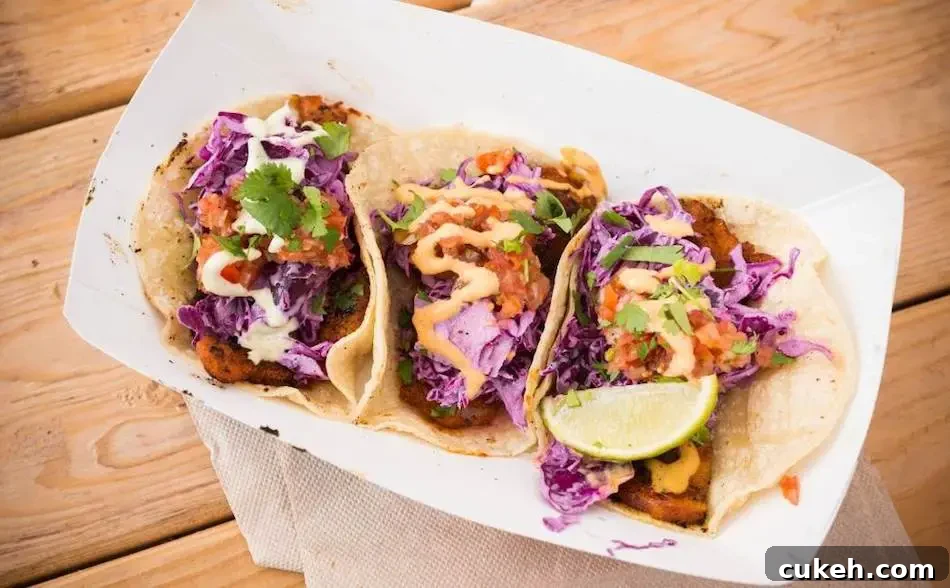
Brisket and tacos are a perfect pairing. The deep, smoky richness of freshly smoked brisket complements the warm, simple comfort of traditional tacos. The mix of tender meat and bright toppings creates a balance of textures and flavors that’s hard to resist. This recipe shows an excellent way to transform a smoked brisket into flavorful tacos. For the best results use a freshly smoked brisket—its tenderness and flavor will be at their peak. Shred or thinly slice the brisket and top with classic taco garnishes like diced onion, cilantro, and a squeeze of lime.
Smoked Brisket Tacos
Smoked brisket, shredded and served as tacos.
10 minutes
10 hours
30 minutes
10 hours 40 minutes
Ingredients
- 1 tbsp chili powder
- 1/2 tsp red pepper flakes
- 1/4 tsp cayenne pepper
- 1 tbsp paprika
- 1 tsp chipotle pepper
- 1 tsp oregano
- 1 tbsp cumin powder
- 1 tbsp granulated garlic
- Tortillas
- Avocados
- Lime juice
- Coriander
- Salt and pepper
- Cilantro
- Red onion
- Cheese
- Tomatoes
- Jalapeños
- Sour cream
Instructions
Mexican Rub
Combine the chili powder, red pepper flakes, cayenne, paprika, chipotle, oregano, cumin and granulated garlic in a bowl and mix thoroughly.
Brisket Preparation
1. Trim the brisket, leaving about 1/4 inch of fat on top; remove any silver skin on the underside.
2. Lightly brush the brisket with olive oil to help the rub adhere.
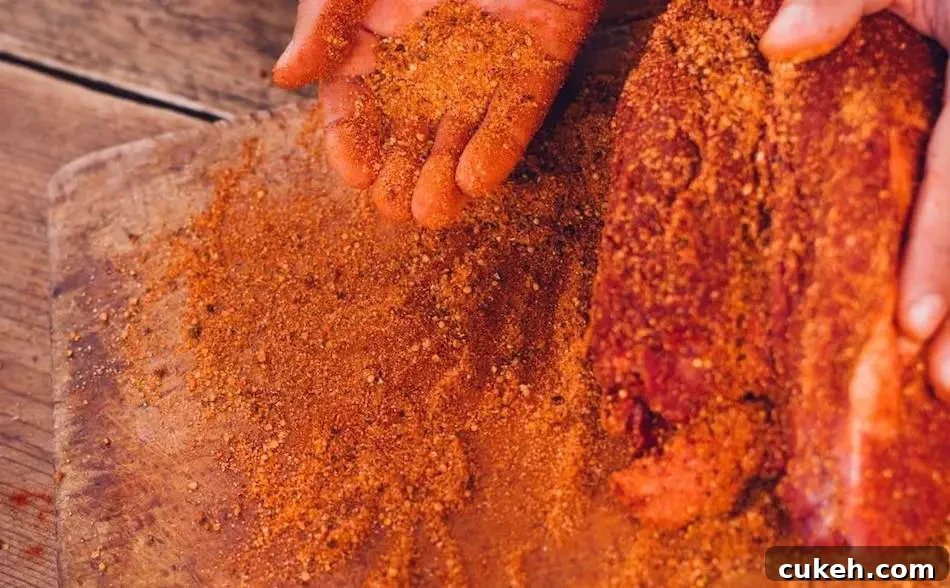
3. Generously apply the Mexican rub, covering the entire surface with a thick layer of seasoning.
4. Preheat your smoker to 225°F (about 107°C).
5. If using a charcoal smoker, add smoking wood such as hickory, pecan or oak for flavor.
6. Place the brisket on the grill with the fat side down if the heat source is below; otherwise place fat side up.
7. Leave the brisket undisturbed for about 3 hours to absorb smoke and begin forming a bark.
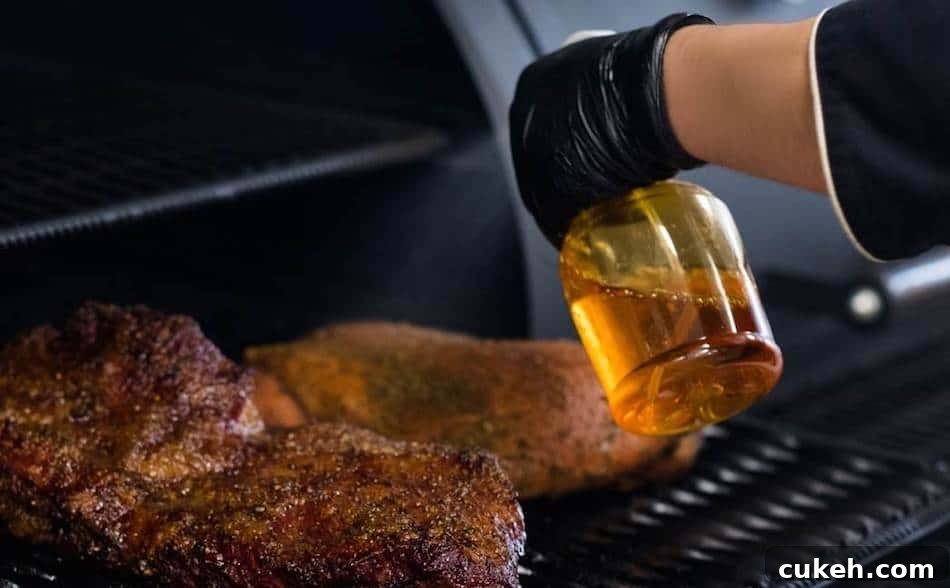
8. Once the bark has set, spritz the brisket every hour with apple cider vinegar to keep the surface moist and slow the cook slightly.
9. When the bark is established and the internal temperature reaches above 160°F, wrap the brisket tightly in foil or butcher paper.
10. Insert a meat thermometer probe into the thickest part of the brisket.
11. Continue cooking until the internal temperature reaches about 203°F, or until the meat is tender when probed.
12. Remove the brisket and let it rest, wrapped, for about 1 hour to allow the juices to redistribute.
13. Shred the point and slice the flat as desired. Serve on warmed tortillas with avocados, lime juice, cilantro, salt and pepper, diced red onion, cheese, tomatoes, jalapeños and sour cream.
Nutrition Information:
Amount Per Serving:
Calories: 240
Traditional Mexican Tacos: Tips and Tricks
Below are practical tips for making traditional Mexican tacos that highlight authentic flavors and textures.
- Use traditional ingredients: Corn tortillas, fresh cilantro, lime and regional chilies bring authentic flavor.
- Choose the right protein: Beef, pork, chicken or fish are classic choices, often marinated with chilies, spices and citrus.
- Skip the cheese for authenticity: Traditional street tacos usually don’t include cheese.
- Cook on a comal when possible: A comal gives tortillas and fillings an authentic texture and slight char.
- Keep toppings simple: Diced onion, cilantro and salsa allow the meat to shine.
- Use fresh produce: Fresh ingredients deliver the clean, bright flavors associated with traditional tacos.
- Balance proportions: Tortilla should be the base; keep toppings proportional so each bite is balanced.
- Less is more: Simplicity and well-executed ingredients are the hallmarks of great traditional tacos.
Traditional Mexican cuisine varies by region, so these tips are general guidelines—feel free to adapt based on local styles and your taste.
| Traditional Taco Ingredients | Quantity |
|---|---|
| Protein (beef, chicken, pork, fish or tofu) | 1 lb |
| Diced onions | 1/2 cup |
| Diced tomatoes | 1/2 cup |
| Chopped cilantro | 1/4 cup |
| Vegetable oil | 1 tbsp |
| Corn tortillas | 8-12 |
| Salt | to taste |
| Pepper | to taste |
| Lime wedges | for garnish |
| Instructions for Traditional Tacos |
|---|
| 1. Heat oil in a skillet over medium-high heat. Add the protein and cook 5–7 minutes, until cooked through. |
| 2. Add onions and tomatoes and cook 2–3 more minutes. |
| 3. Season with salt and pepper to taste. |
| 4. Stir in cilantro to finish. |
| 5. Warm tortillas on a skillet or comal about 30 seconds per side. |
| 6. Assemble tacos, spooning the protein onto each tortilla and topping with diced onions and cilantro. |
| 7. Serve with lime wedges. |
American vs. Traditional Mexican Tacos
Traditional Mexican tacos and American-style tacos share a basic format but differ in ingredients and presentation. Traditional tacos usually feature marinated cuts of meat like beef, pork, chicken or fish and are served on small corn tortillas with simple toppings (onion, cilantro, lime and chilies). Americanized tacos often use ground meat, flour tortillas and heavier toppings such as cheese, lettuce and sour cream. Traditional tacos focus on the meat and a few bright accents, while American versions tend to be more elaborate and layered.
The Tex-Mex Fusion
Tex-Mex and other fusion styles blend American BBQ techniques with Mexican flavors. Popular examples include smoked brisket tacos and BBQ pulled pork with a Mexican-style rub. These combinations use smoking and grilling alongside Mexican spices—chipotle, cumin and oregano—to create bold, layered flavors. Tex-Mex itself grew from this cultural and culinary exchange, producing dishes like chili con carne, fajitas and nachos that bridge both traditions.
Brisket Needs Time
Smoking brisket is a long process but patience pays off. Large cuts can take 8–12 hours or more. The key is low-and-slow cooking (225–250°F) so connective tissue breaks down into gelatin, producing tender, juicy meat. A general guideline is about 1 hour per pound, but always check with a thermometer—the brisket is typically done between 190–205°F depending on tenderness.
The Rub and Seasoning
The biggest difference between a typical smoked brisket and a brisket intended for tacos is the seasoning. Store-bought taco seasonings work, but making your own lets you control salt and spice levels. A good rub adds flavor and helps form the bark—the flavorful crust that many pitmasters prize. You can use a classic salt-and-pepper brisket rub or a Mexican-inspired blend tailored for tacos.
Salt and Pepper
Start with a solid layer of salt and coarse black pepper. Some prefer applying salt and pepper separately so the salt has extra time to penetrate the meat. Use kosher salt rather than table salt for best results, and coarse black pepper (16-mesh) if available.
Mexican Brisket Rub
Making your own rub is simple and keeps control over salt and heat. A recommended mix includes chili powder, red pepper flakes, cayenne, paprika, chipotle, oregano, cumin, granulated garlic, onion powder, kosher salt and black pepper in the quantities listed below.
| Ingredient | Quantity |
|---|---|
| Chili powder | 1 tbsp |
| Red pepper flakes | 1/2 tsp |
| Cayenne pepper | 1/4 tsp |
| Paprika | 1 tbsp |
| Chipotle pepper | 1 tsp |
| Oregano | 1 tsp |
| Cumin powder | 1 tbsp |
| Granulated garlic | 1 tbsp |
| Onion powder | 1 tsp |
| Kosher salt | 1 tbsp |
| Ground black pepper | 1 tbsp |
Prepping The Brisket
- Leave about 1/4 inch of fat for protection and flavor.
- Remove the silver skin from the underside.
- Optionally use a binder like olive oil or mustard before applying the rub to reduce patches in the bark.
- Season with salt and pepper, then apply the Mexican rub evenly over the brisket.
Fire Up Your Smoker
- Preheat the smoker to 225–250°F and maintain that range throughout the cook.
- Use hardwoods like hickory or oak for charcoal smokers; with pellets choose a mild wood—avoid heavy mesquite unless you want a very strong flavor.
- Place the brisket on the smoker and insert a thermometer probe into the thickest section.
- Leave the brisket alone for the first few hours; opening the lid too often destabilizes temperature and smoke.
Develop a Bark
The initial stage focuses on creating a crispy bark made of dehydrated meat, fat, smoke and rub. For tacos it’s nice to have both tender meat and some crunchy bark mixed in.
Spritzing
After the rub has set (typically a few hours in), spritz the brisket every 45–60 minutes with apple cider vinegar or apple juice. Spritzing prevents burning, adds moisture and can slow the cook slightly, which helps break down connective tissue over time.
Wrapping
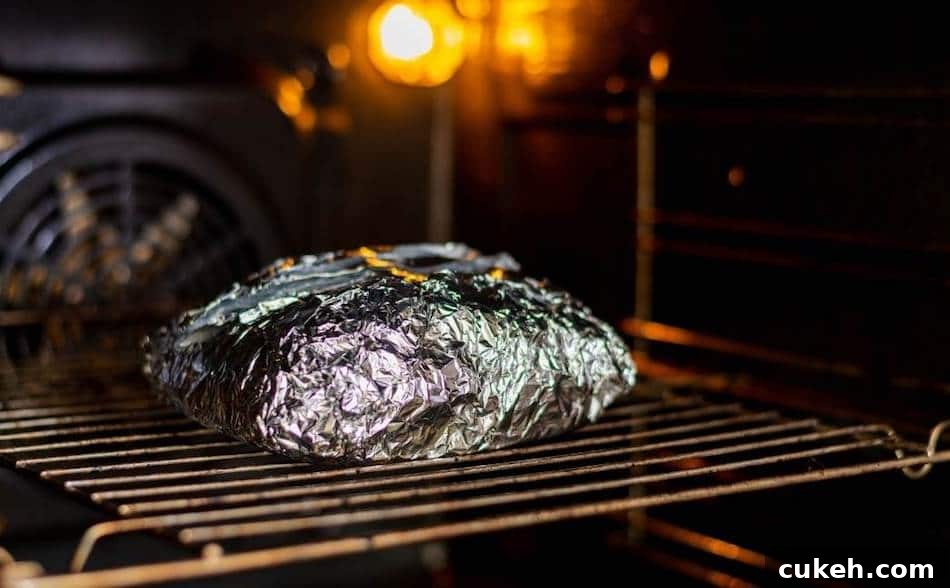
Wrap the brisket in foil or butcher paper once the bark is set and the internal temperature is roughly 150–160°F. Paper allows the bark to stay crisper; foil traps more steam and softens the bark. After wrapping, return the brisket to the smoker or finish in an oven until it reaches the target temperature.
Done Temperature
A common target for brisket is 203°F, but tenderness matters more than a single number. Probe the meat: it should feel like inserting into butter. If there’s resistance, cook longer until the probe slides in easily.
Resting
Rest the brisket wrapped for about 1 hour to let the juices redistribute. For longer holding, place the wrapped brisket in a dry cooler wrapped in towels; it can stay hot for several hours while remaining safe and juicy.
Slicing and Shredding
Separate the flat and the point along the seam. For tacos, shredding the point and slicing the flat is a good approach. Only slice or shred what you need at serving time to retain moisture; keep leftovers as a whole piece when possible.
Brisket Time Planner
Plan your cook since smoking brisket is a long process. The table below offers example timelines for various total cook durations.
| Brisket Total Cook Time | Start Time | Begin Spritzing | Wrap Brisket | Finish in Oven | Done Time (203°F) | Holding Time In Dry Cooler |
| 12 hours | 6pm | 9pm | 12am | 12am | 6am | 7am–10am |
| 15 hours | 5pm | 8pm | 11pm | 11pm | 8am | 9am–12pm |
| 18 hours | 2pm | 5pm | 8pm | 8pm | 8am | 9am–12pm |
My Favorite Brisket Tools
Below are common tools that make brisket smoking easier: a meat injector for added moisture and flavor, butcher paper for wrapping, a reliable two-probe thermometer to monitor both smoker and meat, and an instant-read thermometer for quick tenderness checks. Professional-grade controllers and multi-probe systems are useful for frequent smokers, but quality basics will deliver excellent results for most cooks.